Study Analyzes How Much ‘Macro’ Plastic Is Deadly to Sea Life
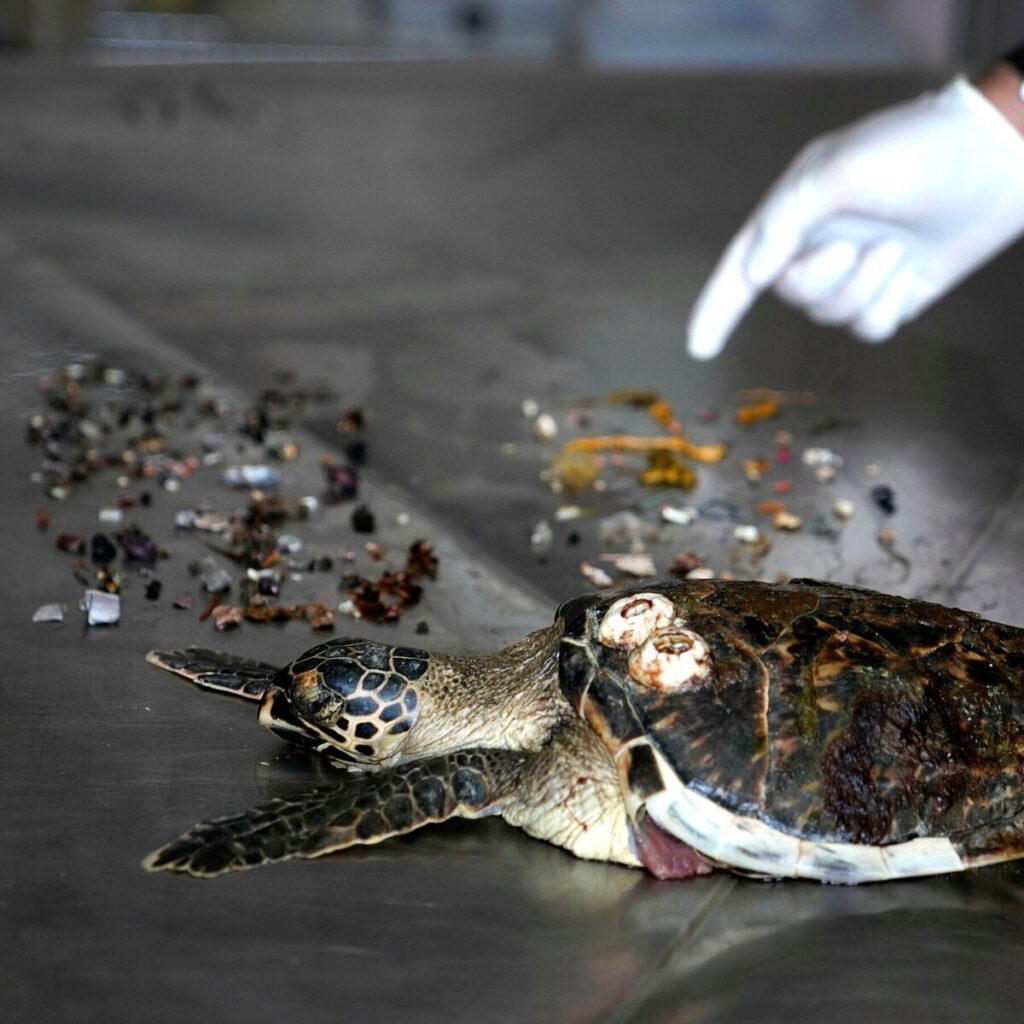
In a revealing study conducted in the United Arab Emirates, researchers have uncovered alarming evidence of plastic pollution affecting marine life, particularly the endangered Hawksbill sea turtle. An autopsy performed on one of these majestic turtles revealed a significant amount of plastic debris found in its stomach, highlighting the severe impact that human waste is having on ocean ecosystems. The Hawksbill turtle, known for its beautiful shell and critical role in maintaining coral reef health, has been increasingly threatened by habitat loss, illegal trade, and now, the pervasive issue of plastic pollution.
The findings from this autopsy are part of a growing body of research that underscores the dire consequences of plastic waste in our oceans. Among the items extracted from the turtle’s stomach were plastic bags, wrappers, and other debris, which not only pose a choking hazard but can also lead to malnutrition and internal injuries. This case serves as a stark reminder of the interconnectedness of human activities and marine health. As plastic waste continues to accumulate in the world’s oceans, it is imperative for communities and governments to take action to reduce plastic use and improve waste management practices. The plight of the Hawksbill turtle is a call to action for environmental conservation efforts, emphasizing the need for greater awareness and proactive measures to protect vulnerable marine species from the devastating effects of pollution.
This incident also highlights the broader implications of plastic pollution on marine biodiversity. Hawksbill turtles are not only vital for the health of coral reefs but are also indicators of ocean health. Their decline signals a broader environmental crisis that affects countless other species and ecosystems. As researchers and conservationists work to address these challenges, public awareness and engagement are critical. Initiatives aimed at reducing plastic consumption, promoting recycling, and supporting marine conservation efforts can all contribute to a healthier ocean environment. The story of the Hawksbill turtle serves as a poignant reminder of our responsibility to safeguard our planet’s precious marine life for generations to come.
An autopsied Hawksbill sea turtle in a lab in the United Arab Emirates. Lying beside the turtle are items removed from its stomach, including a large amount of plastic.


