Chinese Spies Are Using LinkedIn to Target U.K. Lawmakers, MI5 Warns
In a recent revelation, British security minister Dan Jarvis has raised serious concerns regarding a “covert and calculated attempt” by China to gather intelligence within the Houses of Parliament in London. This alarming disclosure underscores the growing tensions between the UK and China, particularly in the realm of national security and espionage. Jarvis emphasized that the UK government is acutely aware of the risks posed by foreign interference, and he urged Parliament to remain vigilant against such threats. The implications of these actions are far-reaching, as they not only compromise the integrity of the UK’s legislative processes but also highlight the broader geopolitical struggles that define contemporary international relations.
The context of this situation is critical, as it reflects a wider pattern of espionage activities attributed to China, which has been accused of employing various tactics to infiltrate foreign governments and organizations. The UK, alongside its allies, has been ramping up its defenses against foreign interference, particularly in light of recent incidents that have raised alarms about cybersecurity and the integrity of democratic institutions. For instance, the British government has previously reported instances of Chinese espionage targeting sensitive sectors, including technology and defense. The intelligence-gathering efforts within Parliament could potentially involve a range of methods, from cyber intrusions to the establishment of covert relationships with individuals in positions of power.
Moreover, this situation comes at a time when the UK is reassessing its diplomatic and economic ties with China, particularly following heightened scrutiny over human rights issues and China’s assertive stance in global affairs. The UK’s response to these intelligence threats will likely shape its future foreign policy and security strategies. As Jarvis pointed out, addressing these vulnerabilities is essential not only for protecting national interests but also for maintaining public trust in the democratic process. The UK government is expected to implement more robust measures to safeguard against such covert operations, reinforcing the importance of transparency and accountability in its dealings with foreign powers. As the situation develops, it will be crucial for both lawmakers and citizens to remain informed and engaged in discussions surrounding national security and foreign relations.
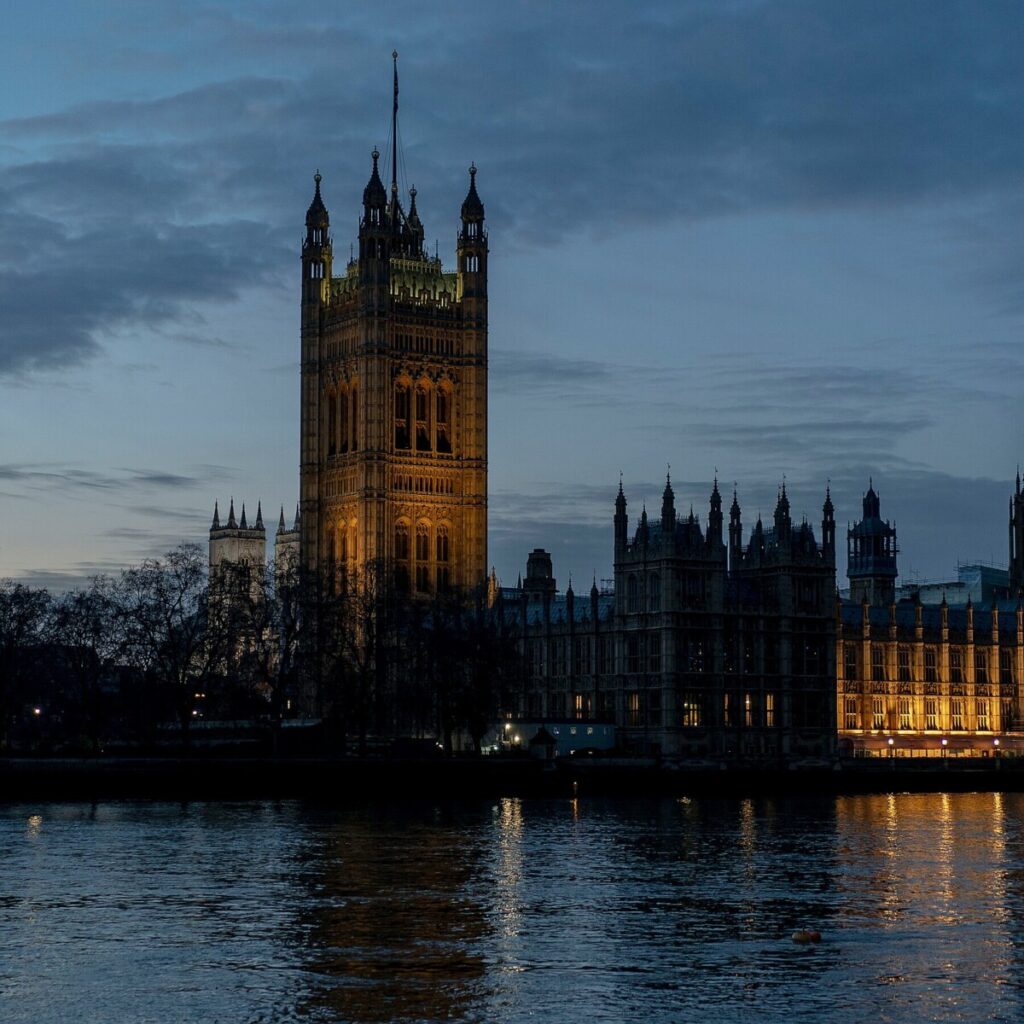
The Houses of Parliament in London. Dan Jarvis, the British security minister, described a “covert and calculated attempt” by China to gather intelligence there.