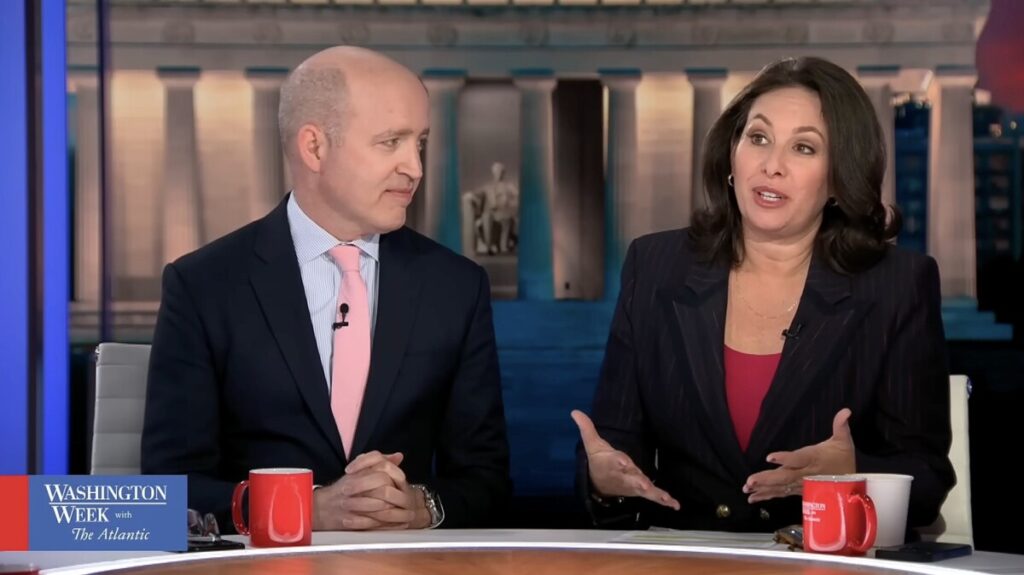
The End to the Government Shutdown
In a recent episode of *Washington Week With The Atlantic*, panelists convened to analyze the implications of the government reopening after the longest shutdown in U.S. history. The discussion highlighted the complex dynamics among lawmakers, particularly focusing on how a coalition of moderate Democrats successfully negotiated with Senate Republicans to end the impasse. This resolution has sparked a wave of frustration among some Democratic lawmakers who feel that the shutdown was a strategic move intended to leverage political power against the Republicans. Nancy Cordes, the chief White House correspondent at CBS News, emphasized that many Senate Democrats believed they could gain an advantage by forcing Republicans into a difficult position, but the decision by eight key Senate Democrats to end the shutdown has left them questioning the effectiveness of their strategy.
The panelists, including experts from major news outlets like *The Wall Street Journal*, *Reuters*, and *Punchbowl News*, delved into the consequences of the shutdown, which had significant repercussions for millions of Americans. As Cordes pointed out, the mounting pain from the shutdown was palpable, with increasing flight delays and crucial food assistance programs, such as SNAP, facing disruptions. This context underscores the high stakes involved in the decision-making process, as lawmakers weighed the potential political gains against the immediate needs of their constituents. The discussion also raised questions about the future trajectory of the Democratic Party, particularly in light of the dissatisfaction expressed by some members regarding the handling of the shutdown.
As the political landscape continues to evolve, the implications of this shutdown and the subsequent resolution will likely resonate through upcoming legislative sessions. The panelists’ insights provide a valuable perspective on the interplay between political strategy and public welfare, highlighting the challenges lawmakers face in balancing their objectives with the needs of the American people. For those interested in a deeper dive into this critical issue, the full episode is available for viewing online, offering a comprehensive look at the current state of American politics and the ongoing challenges within Congress.
https://www.youtube.com/watch?v=-kTcXsExfeU
Editor’s Note:
Washington Week With The Atlantic
is a partnership between NewsHour Productions, WETA, and
The Atlantic
airing every Friday on PBS stations nationwide.
Check your local listings
, watch full episodes
here
, or listen to the weekly podcast
here
.
This week the government reopened after the longest closure in the nation’s history. Panelists on
Washington Week With The Atlantic
joined to discuss how moderate lawmakers brokered a deal with Senate Republicans—and what it may mean for the Democratic Party going forward.
There is a lot of frustration among Democratic lawmakers following the end of the shutdown, which is now spilling out into public view, Nancy Cordes, the chief White House correspondent at CBS News, said last night. “There are Senate Democrats who feel that the whole point of this risky enterprise in the first place, triggering a shutdown, was because eventually, over time, they felt that they would gain enough leverage over Republicans.”
Although “the pain was mounting; yes, flight delays were mounting; yes, SNAP beneficiaries were starting to lose very crucial food assistance,” Cordes noted, “they felt that they were getting closer to putting Republicans in a very uncomfortable situation.” She added: “We’ll never know if they were right or not, because these eight Senate Democrats said that they weren’t willing to find out.”
Joining the guest moderator and a staff writer at
The Atlantic
, Vivian Salama, to discuss this and more: Natalie Andrews, a White House correspondent at
The Wall Street Journal
; Cordes, the chief White House correspondent at CBS News; Andrew Desiderio, a senior congressional reporter for
Punchbowl News
; Jeff Mason, a White House correspondent at Reuters.
Watch the full episode
here
.


