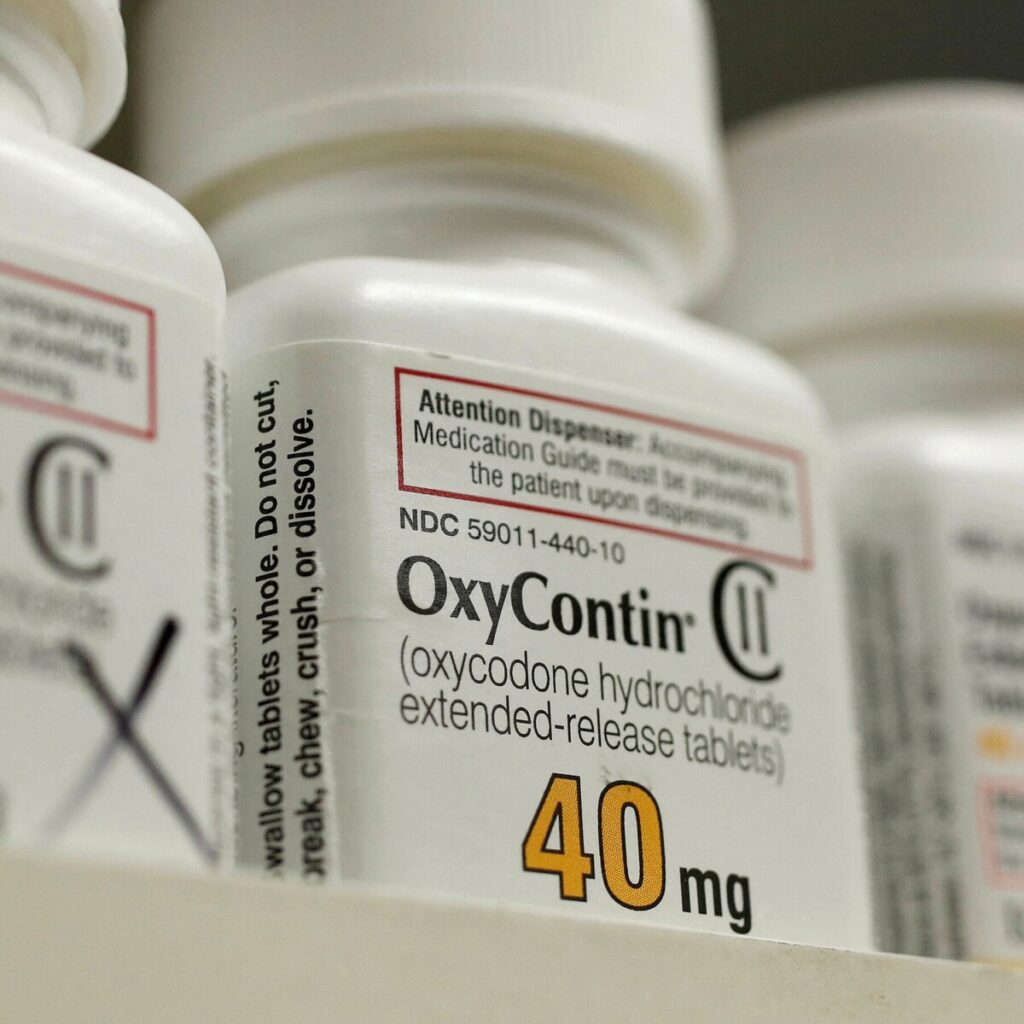
Judge to Approve Purdue Pharma Bankruptcy, Releasing Billions for Opioid Plaintiffs
Purdue Pharma, the controversial maker of the opioid painkiller OxyContin, has reached a significant milestone in its bankruptcy proceedings, culminating in a monumental settlement that stands as the largest of its kind involving a single pharmaceutical company amid the ongoing national opioid crisis. This landmark agreement, which is estimated to be worth over $10 billion, aims to provide financial compensation to states, local governments, and individuals affected by the opioid epidemic, which has claimed countless lives and devastated communities across the United States. The settlement is part of Purdue’s plan to resolve thousands of lawsuits filed against it by various entities, including state governments and municipalities, that accuse the company of contributing to the opioid crisis through aggressive and misleading marketing practices.
The implications of this settlement are profound, as it not only represents a financial reckoning for Purdue Pharma but also sets a precedent for how other pharmaceutical companies may be held accountable in the future. Under the terms of the bankruptcy plan, Purdue will transform into a public benefit corporation, with the goal of using its profits to address the ongoing opioid crisis and fund addiction treatment programs. This innovative restructuring seeks to ensure that the company’s financial resources are directed towards healing communities rather than enriching shareholders. Key stakeholders, including state attorneys general, have expressed cautious optimism about the plan, emphasizing the necessity of holding pharmaceutical companies accountable while also recognizing the urgent need for comprehensive solutions to the opioid crisis.
Critics, however, have raised concerns about the adequacy of the settlement and the potential for it to shield Purdue and its executives from further accountability. The plan has faced scrutiny regarding the distribution of funds and whether it will sufficiently address the needs of those most affected by the opioid epidemic. As communities grapple with the aftermath of addiction, overdose, and loss, the effectiveness of this settlement in delivering real change and support remains to be seen. Nevertheless, the Purdue Pharma bankruptcy plan marks a pivotal moment in the broader fight against the opioid crisis, highlighting the complex interplay between corporate responsibility, public health, and the urgent need for systemic change in the pharmaceutical industry.
The bankruptcy plan for Purdue Pharma, the maker of OxyContin, is the largest settlement with a single pharmaceutical company throughout years of the national opioid litigation.


