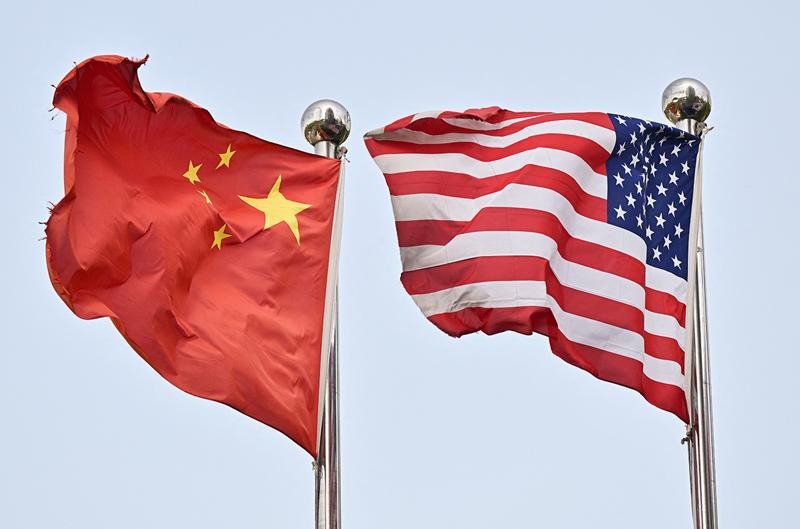
U.S. Congress considers sweeping ban on Chinese collaborations
In a significant development within the scientific community, a group of researchers has voiced strong opposition to a proposed policy that would prohibit U.S. scientists from collaborating with Chinese counterparts or training Chinese students. This proposal, which has emerged in the context of growing geopolitical tensions between the United States and China, is seen by many as a detrimental move that could stifle innovation and hinder scientific progress. The researchers argue that such restrictions would not only isolate American scientists but also undermine the collaborative spirit that is essential for advancements in fields such as medicine, technology, and climate science.
The proposal has sparked intense debate, with proponents arguing that it is necessary to safeguard national security and protect intellectual property from potential espionage. However, critics highlight the long-standing tradition of scientific collaboration that transcends borders, emphasizing that many breakthroughs in science and technology have resulted from international partnerships. For instance, the Human Genome Project, a landmark endeavor that mapped the entire human genome, involved contributions from scientists worldwide, including those from China. By limiting partnerships with Chinese institutions, the proposed policy could hinder similar collaborative efforts that drive global scientific advancements.
Researchers have also raised concerns about the implications of the policy on education and training. Many U.S. universities rely on international students, including those from China, to enrich their academic environments and contribute to research initiatives. The proposal could deter talented individuals from pursuing studies in the U.S., ultimately affecting the country’s competitiveness in science and technology. As the world faces pressing challenges such as climate change and public health crises, the ability to collaborate across borders becomes increasingly vital. The scientific community is calling for a more nuanced approach that balances national security concerns with the need for open collaboration, advocating for policies that foster innovation rather than hinder it.
Researchers speak out against proposal that would bar funding for U.S. scientists working with Chinese partners or training Chinese students


