Trump Officials Accused of Bullying Tactics to Kill a Climate Measure
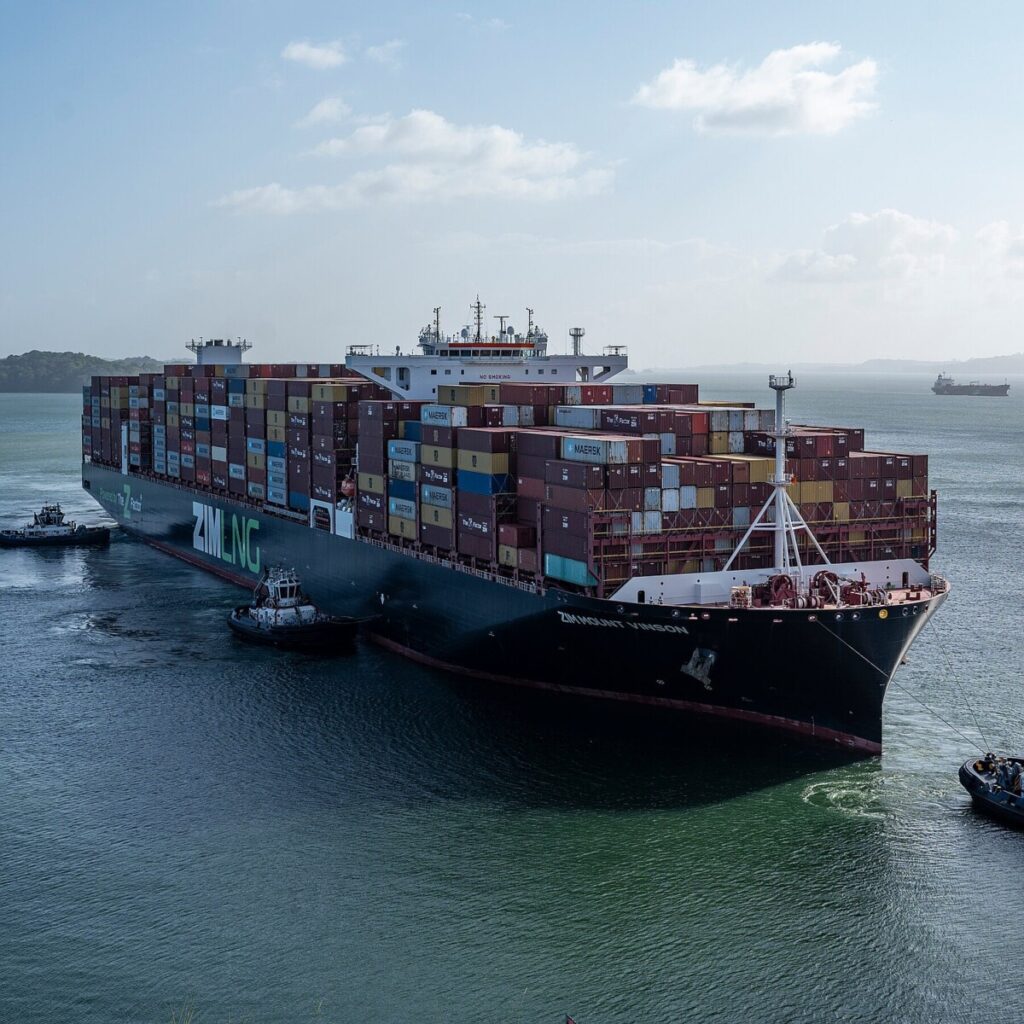
In a significant move toward environmental accountability, nations around the globe were on the verge of approving the first-ever fee on pollution emitted by ships, aimed at reducing the maritime industry’s substantial contribution to climate change. This initiative was part of broader efforts by the International Maritime Organization (IMO) to address the environmental impact of shipping, which is responsible for approximately 3% of global greenhouse gas emissions. The proposed fee was designed to incentivize cleaner technologies and practices within the shipping sector, encouraging companies to invest in greener alternatives to reduce their carbon footprints. However, just as momentum was building for this historic agreement, the Trump administration intervened with a series of threats that jeopardized the consensus.
The U.S. government, under President Trump, expressed strong opposition to the proposed fee, arguing that it could disproportionately affect American shipping companies and lead to increased costs for consumers. This stance was consistent with the administration’s broader approach to environmental regulations, which often prioritized economic concerns over climate action. The threats from the U.S. included potential withdrawal from international agreements and a refusal to cooperate with other nations on maritime pollution standards. This intervention not only stalled the approval process but also raised concerns about the future of international cooperation on climate issues, particularly in light of the pressing need to address global warming.
The situation highlighted a critical tension in international environmental policy: the balance between economic interests and the urgent need to combat climate change. As countries grapple with the implications of shipping pollution on global warming, the potential for a fee on ship emissions represents a pivotal step toward accountability within the industry. The Trump administration’s threats serve as a reminder of the challenges faced when attempting to implement meaningful environmental policies in the face of national interests. Moving forward, the international community must navigate these complexities to forge a path toward sustainable shipping practices that align with global climate goals. The outcome of this debate will have lasting implications for both the shipping industry and the global effort to mitigate climate change.
Nations were poised to approve the first fee on pollution from ships. That’s when the Trump administration began the threats.


