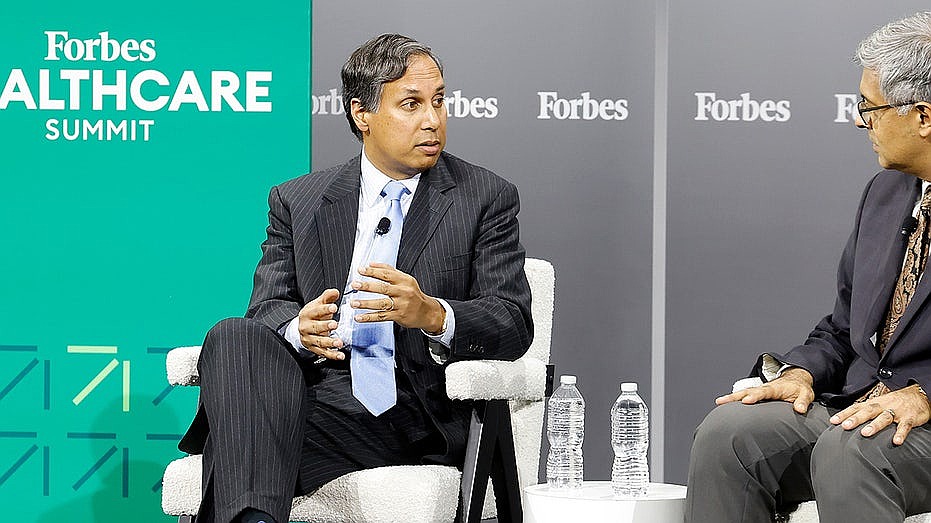
Longtime Obamacare critic says Trump plan won’t solve program’s fatal flaws
In a recent discussion on the future of Obamacare, healthcare policy expert Avik Roy expressed skepticism about proposed Republican changes to the program’s subsidy structure. Roy, a vocal critic of the Affordable Care Act, argues that simply redirecting financial assistance from insurance companies to policyholders—such as through Health Savings Accounts (HSAs)—will not address the core issues driving up healthcare costs. He likened the situation to a hypothetical scenario where agricultural regulations artificially inflate the price of a steak to $300, suggesting that merely providing more food stamps to consumers would not resolve the underlying problem of food pricing. Instead, Roy calls for comprehensive reforms that tackle the root causes of high insurance premiums.
The context of this debate is particularly relevant as Congress grapples with the impending expiration of expanded Obamacare subsidies, which were significantly enhanced during the COVID-19 pandemic. These subsidies, set to lapse at the end of 2025, have been crucial in helping millions of Americans afford health insurance. As the deadline approaches, concerns are mounting that without legislative action, many enrollees could face steep premium increases. Former President Donald Trump has weighed in, advocating for a shift in how subsidies are distributed, suggesting that funds currently allocated to insurance companies should be given directly to consumers. While Roy acknowledges that this change could alleviate short-term financial burdens, he emphasizes that it fails to address the systemic issues that keep insurance costs high.
Roy’s analysis highlights the complexities of healthcare reform, noting that while HSAs could empower consumers to make more informed choices about their healthcare spending, existing regulations under Obamacare limit the flexibility of these accounts. Currently, HSAs cannot be used to purchase health insurance directly, which necessitates legislative changes to unlock their potential. Ultimately, Roy argues that meaningful cost reductions in healthcare will only be achieved through bipartisan efforts to deregulate the insurance market, allowing for greater competition and innovation. As the open enrollment period for expanded subsidies begins, the urgency for a comprehensive solution is more pressing than ever, with millions of Americans relying on the stability of affordable healthcare options.
The underlying problems with Obamacare will persist — even if Republicans tweak the way its subsidies work, said Avik Roy, a healthcare policy expert and one of Obamacare’s most vocal critics.
In Roy’s view,
Republican proposals
to redirect financial assistance straight to policyholders instead of routing them directly to insurance companies would do little to drive costs down without broader reforms.
“Imagine if there was agricultural regulation such that you couldn’t buy a steak for less than $300,” Roy said. “And then you said, ‘Oh, we’re going to solve that problem by giving everybody more food stamps so they can afford a sirloin at the grocery store.’”
“Would that solve the problem? Actually addressing the core root of why a steak costs $300 — wouldn’t you want to solve that problem first?”
OBAMACARE SUBSIDIES AT CENTER OF DEM SHUTDOWN FIGHT ‘FUEL’ HEALTHCARE COST INFLATION, CONSERVATIVES SAY
Amid congressional divisions over what to do about expiring COVID-era financial assistance to Obamacare plans, some Republicans
have floated
providing those credits directly to policyholders through Health Savings Accounts (HSAs). By giving Obamacare users more say in how to spend that money, Republicans hope to introduce some competition and drive down costs in the long run.
Congress greatly expanded subsidies for Obamacare in 2021, helping enrollees cover the costs of their health insurance during the
COVID-19
pandemic. Now that those subsidies are set to expire at the end of 2025, Democrats worry millions of Americans will find themselves facing significantly higher premiums overnight at the end of the year unless they’re continued in some way.
Instead of abolishing them outright, President Donald Trump urged Republicans to adopt the direct-to-policyholder change through a post Truth Social
earlier this month.
“I am recommending to Senate Republicans that the Hundreds of Billions of Dollars currently being sent to money-sucking Insurance Companies in order to save the bad healthcare provided by Obamacare, BE SENT DIRECTLY TO THE PEOPLE SO THAT THEY CAN PURCHASE THEIR OWN, MUCH BETTER, HEALTHCARE, and have money left over. In other words, take from the BIG, BAD Insurance Companies, give it to the people,” Trump wrote.
DEMOCRATS HOLD THE GOVERNMENT HOSTAGE OVER SUBSIDIES
AMERICANS DON’T WANT
Roy believes implementing
Trump’s
proposal would solve the short-term concerns about the expiring subsidies.
“That would be an improvement. People need to be able to afford insurance. Those subsidies would help people buy insurance,” Roy said. “But you still haven’t solved the problem of why the insurance is expensive in the first place.”
Roy noted that in order to enact the idea, Congress will first have to change the legal structures around HSAs.
“You’re not allowed to buy health insurance with your HSA. That’s not allowed. You can use them to pay for various healthcare products like prescription drugs at Walgreens or CVS, your copay at your primary care physician’s office, an X-ray or MRI. There’s literally a list of things that the IRS puts out every year of the things you’re allowed to spend your HSA dollars on,” Roy said.
Although Roy supports making insurance purchases possible through HSAs, Roy believes that prices will remain high because Obamacare’s regulations stretch across the board, keeping most plans similarly priced.
“Obamacare basically does not allow anybody to sell health insurance to individuals that does not conform to Obamacare’s regulatory requirements,” Roy said.
HOUSE REPUBLICANS DIVIDED OVER OBAMACARE AS GOP EYES FIX AFTER SHUTDOWN
Roy argued only bipartisan deregulation would help meaningfully lower costs in the future.
Open enrollment for the expanded Obamacare subsidies began on Nov.1. The program’s current framework runs through Dec. 31, at which point financial assistance through the expanded tax credits will sunset.