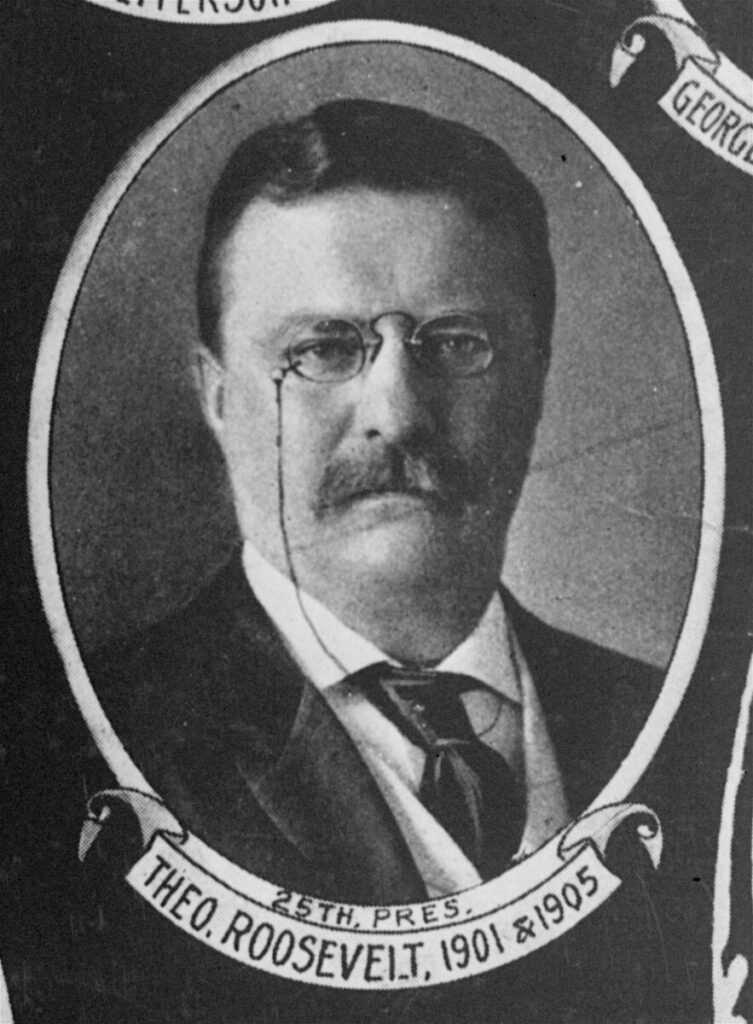
Book Review: Teddy Roosevelt made U.S. a superpower
In the heart of Medora, North Dakota, the construction of the Theodore Roosevelt Presidential Library is underway, promising to encapsulate the spirit of the 26th president of the United States. This summer, as the Badlands provide a stunning backdrop, visitors can look forward to a place that honors Roosevelt’s legacy, which is vividly brought to life in Bret Baier’s compelling new book, “To Rescue the American Spirit: Teddy Roosevelt and the Birth of a Superpower.” Baier’s work serves as a captivating exploration of Roosevelt’s journey, from a frail child to a symbol of American resilience and exceptionalism, making it a must-read for those interested in understanding the man behind the legend.
Baier’s narrative is rich with detail and historical context, painting a portrait of Roosevelt that is both multifaceted and relatable. He chronicles Roosevelt’s tumultuous life, including the personal tragedies that shaped his character and fueled his quest for purpose in the vast American West. The book delves into his political career, highlighting his relentless fight against corruption in New York’s political landscape, his transformative tenure as governor, and the fortuitous yet tragic circumstances that propelled him into the presidency following the assassination of William McKinley. Each chapter reveals how Roosevelt’s experiences informed his leadership style, characterized by a vigorous approach to governance and a passionate commitment to conservation. Baier’s meticulous research and engaging prose ensure that Roosevelt’s enduring legacy—his love for the land, his conservation efforts, and his indomitable spirit—resonates powerfully with readers.
As readers journey through Baier’s pages, they are not only reminded of Roosevelt’s historical significance but also his vibrant personality, marked by an insatiable curiosity and a zest for life. The book celebrates Roosevelt’s commitment to the American spirit, emphasizing how his life and policies continue to influence the nation today. With its blend of historical insight and biographical detail, “To Rescue the American Spirit” is more than just a biography; it is an invitation to rediscover the ideals that shaped a superpower and the extraordinary man who played a pivotal role in that transformation. Salena Zito, a staff reporter and columnist for the Washington Examiner, highlights how Baier’s writing captures Roosevelt’s essence, making this book an enthralling read that is difficult to put down. As the library in Medora takes shape, it stands as a testament to the lasting impact of Roosevelt’s legacy, ensuring that future generations will continue to learn from and be inspired by his remarkable life.
MEDORA, North Dakota — Standing here this summer in the Badlands overlooking where the new Theodore Roosevelt Presidential Library is under construction, any person curious about the 26th president can be assured that this place will indeed capture the spirit and essence of the man.
I was left with the same sense after reading the new Bret Baier book, “To Rescue the American Spirit: Teddy Roosevelt and the Birth of a Superpower.” It’s a nonstop page-turner written with great research and vivid detail. Roosevelt comes bursting out of the book on every page.
Baier brings forth nuggets of Roosevelt’s life lost to history that shaped and formed a once-sickly child into a symbol of grit and American exceptionalism whose mark on our country is still evident today.
The book is nothing short of enthralling, delivered in a way that makes it difficult to set aside. Baier details Roosevelt’s life, from his triumph over a series of tragic events that rocked his world and left him looking for purpose in the wide and wild wonders of the American West to the man he became in battle, in conservation and in politics — all different aspects of his life that still affect our country today.
Baier details Roosevelt’s turn in the New York legislature as a champion of ridding the state’s politics of corruption. He follows his nightly city walks as the New York City commissioner and reveals his stubborn efforts to bring reform to government as New York governor — efforts that earned him powerful enemies. It becomes clear why he has endured in our national psyche.
As his road to the White House comes through tragedy — as vice president, the man he served under, William McKinley, was assassinated in Buffalo, New York — we see Roosevelt take all of his experiences to the Oval Office to lead in a way no other president had.
Roosevelt’s spirit prevails not just page after page but word after word as the reader rediscovers his passion for our land as a conservationist and hunter who was mesmerized by the study of insects and animals all of his life.
Roosevelt’s buoyancy, lust for life, and patriotism combine to make for a rigorous read thanks to Baier’s writing and penchant for detail.
Salena Zito is a staff reporter and columnist for the Washington Examiner.


