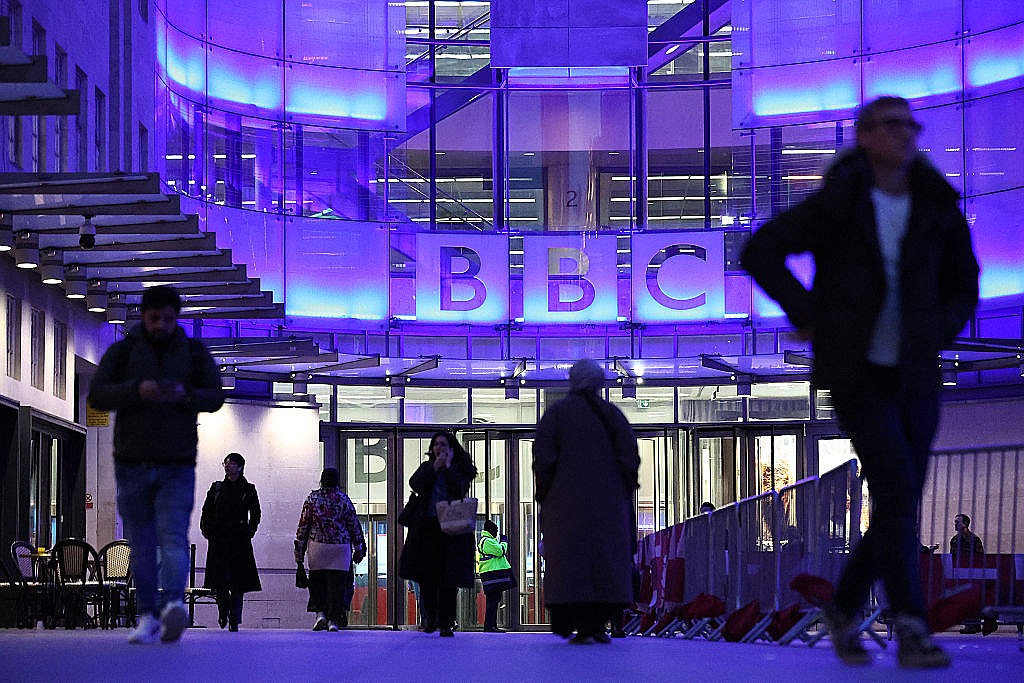
Cal Thomas: The biased broadcasting corporation
In a recent correspondence from London, two friends discussed the fallout from a scandal involving the British Broadcasting Corporation (BBC) that resulted in the resignation of two high-ranking officials. The controversy erupted after it was revealed that the BBC had edited a speech by former President Donald Trump from January 6, 2021, in a way that misrepresented his words and intentions. The edited version made it appear as though Trump was inciting his supporters to violently storm the Capitol, raising serious questions about the integrity and impartiality of the broadcaster. One of the emailers pointedly remarked that the first “B” in BBC should stand for “bias,” drawing parallels to how some conservatives labeled CNN as the “Clinton News Network” during the 1990s due to perceived partiality.
The discussion highlighted the broader implications of media bias, particularly in the context of the BBC’s historical reputation as a trusted source during World War II. Despite this legacy, recent surveys indicate a significant decline in public trust, especially along political lines. A study by David Pickering revealed that people’s political affiliations heavily influenced their perceptions of the BBC, with left-wing individuals generally viewing the broadcaster more favorably than their right-wing counterparts. The editing incident is not an isolated case; the BBC has faced scrutiny for its reporting on various topics, including the Israeli-Palestinian conflict and climate change, where accusations of bias have persisted. Furthermore, the Wall Street Journal pointed out the existence of a dedicated LGBTQ desk at the BBC, suggesting that stories not aligned with the broadcaster’s liberal stance were suppressed.
Amidst this backdrop of controversy, the BBC continues to rely on a compulsory TV license fee, which has become a point of contention among viewers, particularly those who feel the service no longer meets their needs or expectations. The fee structure raises questions about the future of public broadcasting in the UK, especially as calls for reform grow louder. The recent resignations, coupled with the BBC’s long-standing reputation issues, underscore a critical moment for the organization. As former director general Tim Davie stated, the narrative surrounding the BBC is one they believe they “own,” which reflects a troubling mindset that prioritizes institutional identity over impartial journalism. To restore public confidence, some argue that the BBC must embrace a more balanced approach by incorporating diverse perspectives, including those from conservative viewpoints, into its reporting.
Two friends email from London about the
editing scandal
that led to the resignation of two top officials from the British Broadcasting Corporation. The resignations followed exposure of the splicing together of two parts of a speech by President Donald Trump on Jan. 6, 2021.The edits made it look and sound like the president was urging his followers to violently attack the Capitol.
One emailer said the first “B” in BBC should stand for bias. That reminded me of what some conservatives called CNN during the Clinton administration (the Clinton News Network), because of their perceived bias.
The second writer said the edit was only a “mistake.” It wasn’t a mistake. It was deliberate and it was made with the intention of having viewers accept their desired negative opinion of Trump. In another country and in another era, this would be called propaganda. If this sounds like the editing of the CBS “60 Minutes” interview with Kamala Harris to make her sound articulate, it should. Both flowed from the same liberal worldview.
Kudos to the
London Daily Telegraph
for practicing real journalism and exposing the edit of the Trump speech.
During World War II the BBC was a trusted source of information. It sent coded information to the French resistance and took other actions in support of the war effort. This was accurately depicted in the film “The Longest Day.” In recent years, the BBC has seen its level of trust decline.
A survey conducted by David Pickering of
The Conversation
, a news organization that calls itself “dedicated to facts and evidence,” noted that “Trust in the BBC is heavily conditioned by political identity.” The survey of 11,170 people in the UK “showed striking differences between how people with left-wing and right-wing party affiliations felt about the broadcaster.”
The editing incident isn’t the first time the credibility of the BBC has been called into question. Several internal studies have found the organization to have reported unfairly on the conflict between Israel and the Palestinians. The studies changed nothing as the pro-Palestinian bias has continued. It is the same when it comes to their reporting on “climate change.”
A
Wall Street Journal
editorial notes the BBC has had an LGBTQ desk within its London headquarters to make sure stories were favorable about transgender issues. Stories that did not reflect the BBC’s “liberal orthodoxy” were suppressed, notes the Journal.
On top of this, streamers and owners of television sets are required to pay an annual
TV license fee
of £174.50 (about $230) per year for a color license and £58.50 ($77) for a black-and-white license, a compulsory payment used primarily to fund the BBC’s television, radio and online services.
Does anyone still own a black-and-white TV? And on top of this, viewers must watch endless commercials, some of which are more entertaining and creative than the programs.
Efforts by some conservative members of Parliament to eliminate the TV license fee have failed. As in America, politicians are reluctant to give up money.
Tim Davie
, the now-resigned director general of the BBC said in a statement: “This narrative will not just be given by our enemies. It’s our narrative. We own things.”
Right there you have the reason so much of the media in the UK and the U.S. are held in low regard. They think they “own things,” instead of exercising a responsibility to serve the people fairly and accurately. As with other exposures of bias, I suspect little will change within the BBC unless it follows the example of the new president of
CBS News
and begins hiring reporters with a conservative worldview who will presumably report conservative ideas fairly and accurately.
Readers may email Cal Thomas at
tcaeditors@tribpub.com
. Look for Cal Thomas’ latest book “A Watchman in the Night: What I’ve Seen Over 50 Years Reporting on America” (HumanixBooks).


