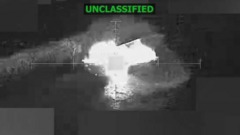
What does Trump want with boat strike campaign?
In recent months, the United States has ramped up its air and naval operations in the Caribbean and Central America, justifying these actions as crucial measures to combat the influx of illegal drugs into the country. This intensified campaign is framed as a response to the escalating drug trafficking crisis, particularly the surge of fentanyl and other narcotics that have contributed to a significant increase in overdose deaths across the nation. According to the Centers for Disease Control and Prevention (CDC), over 100,000 Americans died from drug overdoses in a recent year, with synthetic opioids like fentanyl being a major contributor. The U.S. government has argued that by targeting drug cartels at their source, it can disrupt the flow of these dangerous substances before they reach American streets.
The operational strategy involves deploying advanced surveillance aircraft and naval vessels to monitor and intercept drug shipments originating from South America and heading towards the U.S. border. For example, the U.S. Coast Guard has reported seizing thousands of pounds of illegal drugs in recent operations, highlighting the effectiveness of this approach. Furthermore, the U.S. has engaged in collaborative efforts with regional partners, including countries in the Caribbean and Central America, to enhance intelligence sharing and joint interdiction operations. This multi-faceted strategy aims not only to dismantle trafficking networks but also to strengthen the capacity of local law enforcement agencies to tackle drug-related crime.
Critics of the campaign, however, raise concerns about the potential for increased militarization in the region and the impact on local communities. There are fears that the focus on military solutions may overlook the underlying issues driving drug trafficking, such as poverty, lack of economic opportunities, and social instability in source countries. Additionally, some argue that the air and naval operations could lead to unintended consequences, including civilian casualties and further destabilization in already vulnerable regions. As the U.S. continues its aggressive stance against drug smuggling, the balance between security measures and humanitarian considerations remains a contentious topic, prompting ongoing debate about the most effective and ethical ways to address the complex drug crisis.
https://www.youtube.com/watch?v=NMzzfAt6c_U
The US has justified its air and naval campaign as necessary to fight drug smuggling into the US.