Programmable DNA insertion in native gut bacteria | Science
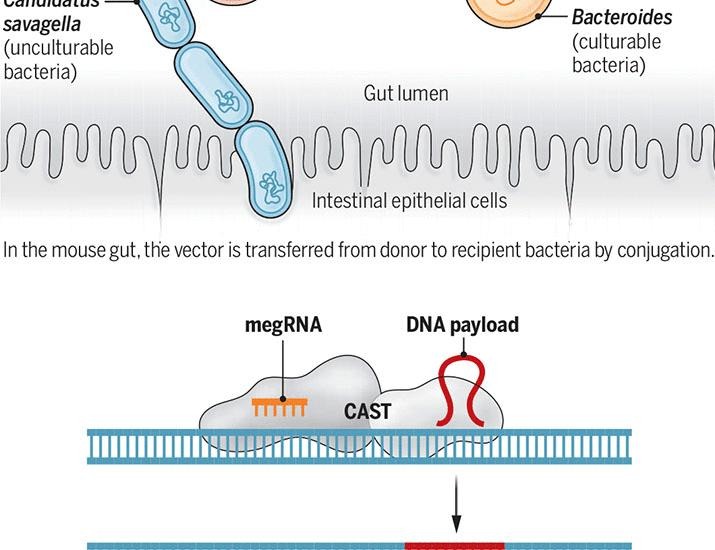
Researchers have recently made significant strides in the field of gene editing, specifically by applying innovative techniques to modify bacteria within the gut of mice. This groundbreaking approach holds promise for advancing our understanding of the gut microbiome and its profound influence on health and disease. The study, conducted by a team of scientists, utilized CRISPR technology—a powerful tool that allows for precise alterations to DNA—to target and modify specific bacterial strains residing in the mouse gut. This method not only enhances the ability to study the interactions between gut bacteria and their host but also opens up potential avenues for therapeutic interventions in various diseases linked to gut microbiota imbalances.
The implications of this research are far-reaching. For instance, the gut microbiome is known to play a crucial role in digestion, immune function, and even mental health. By effectively editing the genetic makeup of gut bacteria, researchers can explore how these modifications impact the overall health of the host. In their experiments, the scientists demonstrated that they could not only alter bacterial behavior but also influence metabolic processes and immune responses in the mice. This capability could pave the way for developing targeted treatments for conditions such as inflammatory bowel disease, obesity, and even neurological disorders, where gut bacteria have been shown to play a critical role.
Moreover, this gene-editing approach represents a significant advancement over traditional methods of modifying gut bacteria, which often involved cumbersome and less precise techniques. The ability to make specific genetic changes quickly and efficiently could accelerate research in microbiome studies and lead to the development of personalized medicine strategies based on individual microbiome profiles. As this research progresses, it may eventually lead to novel therapies that harness the power of the gut microbiome to improve health outcomes, highlighting the potential of gene editing as a transformative tool in the field of biotechnology and medicine.
A gene-editing approach enables modification of bacteria within the mouse gut


