Trump Pardons Two for Crimes Related to Jan. 6
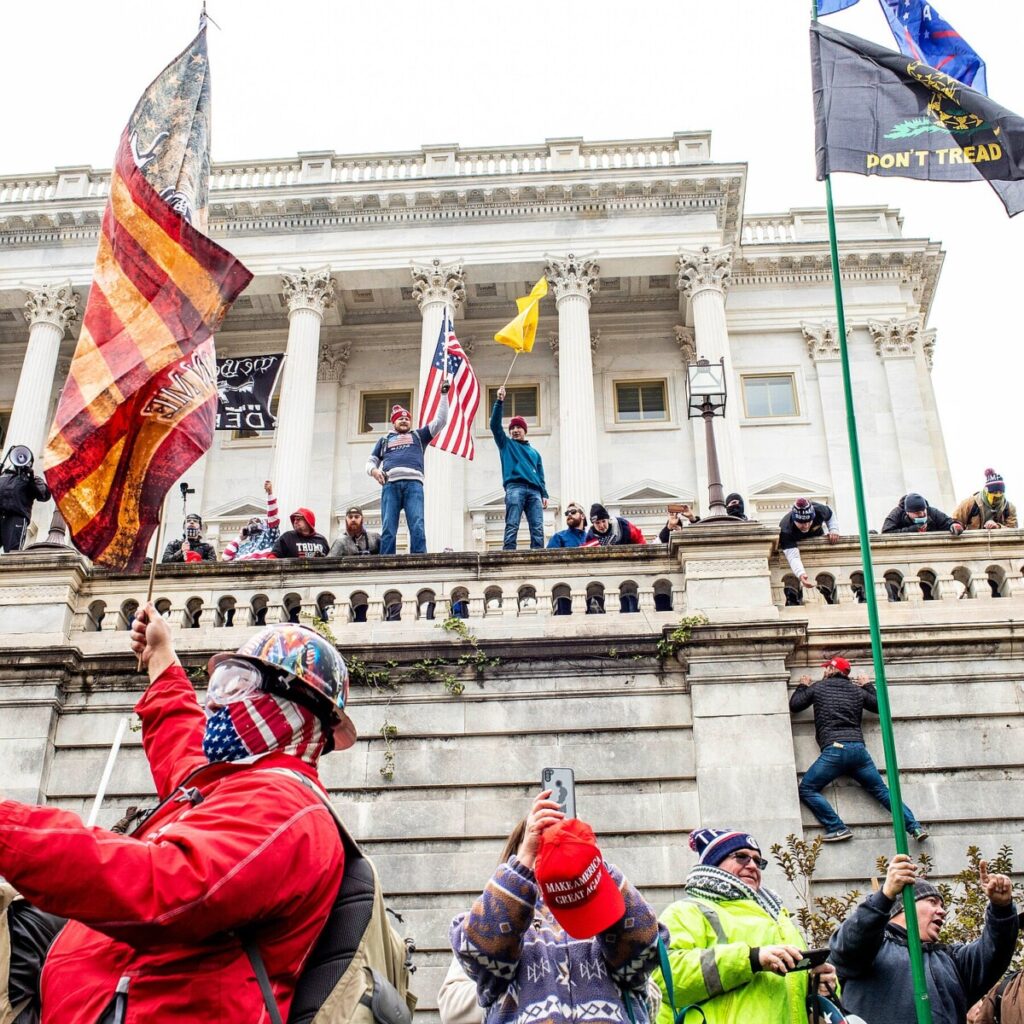
In a significant move following his inauguration, President Trump issued a series of pardons that notably included many individuals charged in connection with the January 6 Capitol riot. This decision has sparked widespread debate and controversy across the political spectrum. Nearly 1,600 people faced charges related to the insurrection, which saw a violent mob breach the Capitol building in an attempt to overturn the 2020 presidential election results. Trump’s pardons, which primarily focused on those who participated in the riot, have raised questions about accountability, the rule of law, and the implications for future political protests.
The pardons reflect Trump’s ongoing support for his base, particularly those who believe they were unjustly persecuted for their actions on that day. Critics argue that this move undermines the severity of the events that unfolded on January 6, where lawmakers were evacuated, and the integrity of the electoral process was directly challenged. Supporters of the pardons claim that many of those charged were merely exercising their right to free speech and protest, although the violent nature of the riot complicates this narrative. Notable examples among those pardoned include individuals who faced serious charges, such as assaulting law enforcement officers and destruction of property. This decision not only highlights the deep divisions in American society regarding the events of January 6 but also sets a precedent for how future administrations may approach similar cases involving political dissent.
The implications of these pardons extend beyond the immediate legal ramifications; they also speak to the broader context of American democracy and the challenges it faces. By pardoning those involved in the Capitol riot, Trump may be signaling a continued alignment with extremist elements within his party, further polarizing the political landscape. As discussions around accountability and justice continue, the pardons serve as a reminder of the complexities surrounding political protest and the interpretation of constitutional rights. The long-term effects of this decision on the Republican Party and its relationship with its constituents, as well as the ongoing discourse about the events of January 6, will likely be felt for years to come.
https://www.youtube.com/watch?v=e1m7UyvRgpA
After his inauguration, President Trump pardoned most of the nearly 1,600 people charged in connection with the Capitol riot.