Can the world quit coal?
As the 30th annual United Nations climate conference unfolds in Brazil, global leaders, researchers, and activists are expressing growing frustration over the slow pace of progress in combating climate change. Despite the urgency of the situation, greenhouse gas emissions and global temperatures continue to rise, largely due to the increasing reliance on fossil fuels, particularly coal. The U.S. has seen a rollback of environmental regulations under the Trump administration, which has not only opted out of these crucial climate discussions but has also encouraged a greater dependence on fossil fuels. Meanwhile, coal consumption is surging in countries like India and China, prompting heated debates about the future of coal-dependent communities as the world grapples with the need to transition to cleaner energy sources.
Coal, recognized as the dirtiest fossil fuel, is a significant contributor to greenhouse gas emissions and poses serious health risks. However, there is a silver lining: nearly a third of the world’s countries have committed to phasing out unabated coal-burning power plants, including unexpected leaders like Germany and Spain. This collective effort is part of the Powering Past Coal Alliance, which aims to establish phase-out deadlines between 2025 and 2040. Despite the ongoing rise in coal use in China, the country is also a leader in renewable energy investments, showcasing a complex reality where coal and renewable energy development coexist. While many governments are enacting policies to reduce emissions, the transition away from coal is fraught with challenges, particularly in ensuring a just transition for communities reliant on coal mining. Past experiences, such as the decline of British coal communities in the 1980s, highlight the importance of careful planning and support for affected workers.
The path forward involves not only a commitment to phasing out coal but also the establishment of a fossil fuel nonproliferation treaty to legally bind nations to halt new fossil fuel expansions. Renewable energy technologies like solar and wind are now more affordable than fossil fuels in many regions, and removing political and regulatory barriers could accelerate this transition. A focus on equitable solutions—such as worker retraining, small business development, and community investment—can mitigate the socio-economic impacts of moving away from coal. As the climate conference continues, the message is clear: while the challenges are significant, the world possesses the tools and knowledge to make a transition away from coal, paving the way for a healthier and more sustainable future.
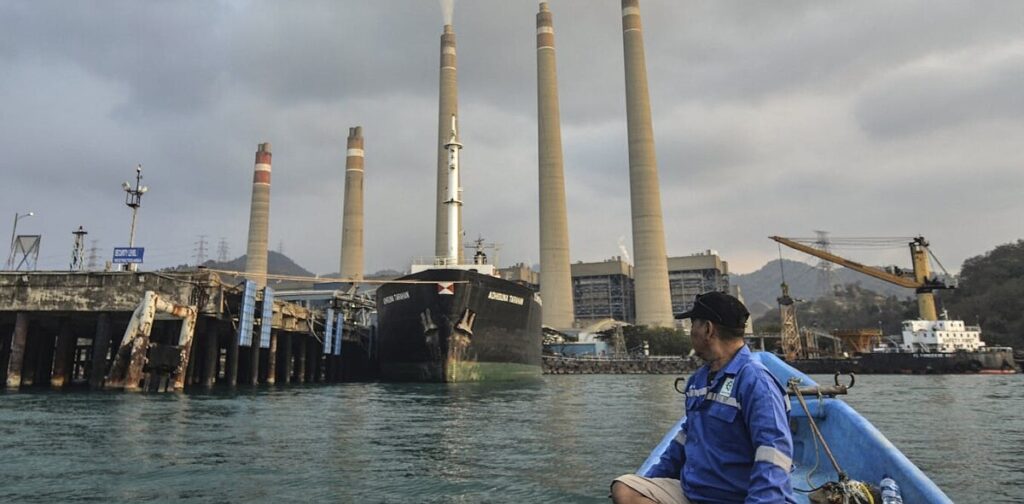
A fisherman looks at the Suralaya coal-fired power plant in Cilegon, Indonesia, in 2023.
Ronald Siagian/AFP via Getty Images
As
world leaders
and
thousands of researchers, activists
and
lobbyists
meet in Brazil at the
30th annual United Nations climate conference
, there is plenty of frustration that the world isn’t making progress on climate change fast enough.
Globally,
greenhouse gas emissions and global temperatures
continue to rise. In the U.S., the Trump administration, which didn’t send an official delegation to the climate talks, is
rolling back environmental and energy regulations
and
pressuring other countries
to boost their use of fossil fuels – the leading driver of climate change.
Coal use is also
rising, particularly in India and China
. And debates rage about justice and the
future for coal-dependent communities
as coal burning and coal mining end.
But underneath the bad news is a set of complex, contradictory and sometimes hopeful developments.
The problem with coal
Coal is the
dirtiest source of fossil fuel energy
and a major contributor of greenhouse gas emissions, making it bad not just for the climate but
also for human health
. That makes coal a good target for cutting global emissions.
A swift drop in coal use is the main
reason U.S. greenhouse gas emissions fell
in recent years as natural gas and renewable energy became cheaper.
Today, nearly a third of all countries worldwide have
pledged to phase out
their unabated coal-burning power plants in the coming years, including several countries you might not expect. Germany, Spain, Malaysia, the Czech Republic – all have substantial coal reserves and coal use today, yet they are among the
more than 60 countries
that have joined the Powering Past Coal Alliance and set phase-out deadlines between 2025 and 2040.
Several governments in the
European Union
and
Latin America
are now coal phase-out leaders, and
EU greenhouse gas emissions continue to fall
.
Progress, and challenges ahead
So, where do things stand for phasing out coal burning globally? The picture is mixed. For example:
The accelerating deployment of renewable energy, energy storage, electric vehicles and energy efficiency globally offer hope that global emissions are
on their way to peaking
. More than 90% of the new electricity capacity installed worldwide in 2024
came from clean energy sources
. However,
energy demand is also growing quickly
, so new renewable power does not always replace older fossil fuel plants or prevent new ones, including coal.
China now burns more coal than the rest of the world combined, and it continues to
build new coal plants
. But China is also a
driving force
in the dramatic growth in solar and wind energy investments and electricity generation inside China and around the world. As the industry leader in renewable energy technology, it has a strong economic interest in solar and wind power’s success around the world.
While climate policies that can reduce coal use are being subject to
backlash politics and policy rollbacks
in the U.S. and several European democracies, many other governments around the world continue to enact and implement
cleaner energy and emissions reduction policies
.
Phasing out coal isn’t easy, or happening
as quickly as studies show is needed
to slow climate change.
To meet the 2015 Paris Agreement’s goals of limiting global warming to well under 2 degrees Celsius (3.6 Fahrenheit) compared to pre-industrial times, and aiming to keep warming under 1.5 C (2.7 F), research shows that the world will need to
rapidly reduce nearly all
fossil fuel burning and associated emissions. It is
not close to being on track
.
Ensuring a just transition for coal communities
Many countries with coal mining operations worry about the transition for coal-dependent communities as mines shut down and jobs disappear.
No one wants a repeat of then-Prime Minister Margaret Thatcher’s
destruction of British coal communities
in the 1980s in her effort to break the mineworkers union. Mines rapidly closed, and many coal communities and regions were left languishing in economic and social decline for decades.
Two men collect coal for cooking outside the Komati Power Station, where they used to work, in 2024, in Komati, South Africa. Both lost their jobs when Eskom closed the power plant in 2022 under international pressure to cut emissions.
Per-Anders Pettersson/Getty Images
But as more countries phase out coal, they offer examples of how to ensure coal-dependent workers, communities, regions and entire countries
benefit from a just transition
to a coal-free system.
At local and national levels,
research shows
that careful planning, grid updates and reliable financing schemes, worker retraining, small-business development and public funding of coal worker pensions and community and infrastructure investments can help set coal communities on a path for prosperity.
A fossil fuel nonproliferation treaty?
At the global climate talks, several groups, including the Powering Past Coal Alliance and an affiliated
Coal Transition Commission
, have been pushing for a
fossil fuel nonproliferation treaty
. It would legally bind governments to a ban on new fossil fuel expansion and eventually eliminate fossil fuel use.
The world has
affordable renewable energy technologies
with which to replace coal-fired electricity generation – solar and wind are cheaper than fossil fuels in most places. There are still challenges with the transition, but also clear ways forward. Removing
political and regulatory obstacles
to building renewable energy generation and transmission lines, boosting production of renewable energy equipment, and helping low-income countries manage the upfront cost with
more affordable financing
can help expand those technologies more widely around the world.
Shifting to renewable energy also has added benefits: It’s much
less harmful to the health
of those who live and work nearby than mining and burning coal is.
So can the world quit coal? Yes, I believe we can. Or, as Brazilians say, “Sim, nós podemos.”
Stacy D. VanDeveer does not work for, consult, own shares in or receive funding from any company or organization that would benefit from this article, and has disclosed no relevant affiliations beyond their academic appointment.


