‘A Big Positive’: How One Company Plans to Profit From Medicaid Cuts
In a significant shift in welfare policy, new work requirements are set to impact millions of low-income Americans, potentially leaving many without health insurance. These changes, aimed at encouraging employment among individuals receiving government assistance, have raised concerns among advocates and public health experts about the implications for the most vulnerable populations. As states implement these requirements, individuals who fail to meet the criteria may find themselves ineligible for Medicaid and other essential health services, exacerbating existing health disparities and leaving them without critical coverage. According to estimates, millions could be affected, particularly in states that have already begun to adopt stricter regulations surrounding work and eligibility for public assistance.
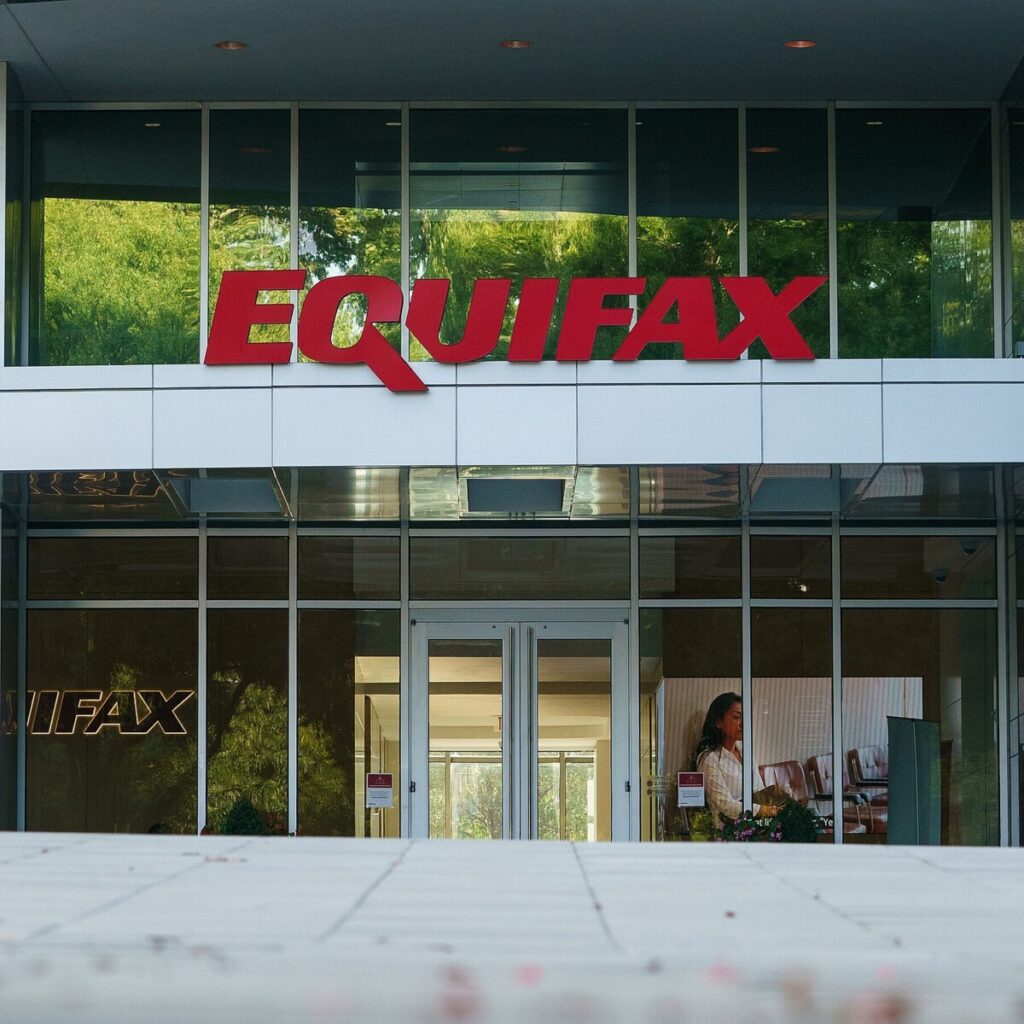
Amidst this unfolding scenario, Equifax—a major player in the credit reporting industry—is poised to capitalize on the situation. The company specializes in collecting and selling employment data, which states are increasingly seeking to verify compliance with the new work requirements. By charging states substantial fees for access to its extensive database, Equifax is positioning itself as a key provider of the information necessary to enforce these new regulations. This not only highlights the intersection of public policy and corporate profit but also raises ethical questions about the commodification of personal data, especially when it pertains to the livelihoods and health of low-income individuals. Critics argue that this approach prioritizes corporate gain over the welfare of citizens, as the pressure to meet work requirements could lead to an increase in uninsured rates, further marginalizing already struggling communities.
As the rollout of these work requirements progresses, the potential fallout for millions of Americans remains a pressing concern. Advocates are calling for a more balanced approach that considers the challenges faced by those in low-wage jobs, including barriers to employment such as childcare, transportation, and health issues. The situation underscores the need for a comprehensive dialogue about the implications of linking health insurance to employment status and the responsibility of corporations like Equifax in this evolving landscape. As the debate continues, the intersection of public health, corporate interests, and social justice will remain at the forefront of discussions surrounding the future of welfare and healthcare in America.
New work requirements are expected to leave millions of poor Americans uninsured. For Equifax, which charges states steep prices for its trove of employment data, it is a business opportunity.