Scientists Grow More Hopeful About Ending a Global Organ Shortage
At a recent international conference dedicated to the burgeoning field of animal-human transplantation, researchers exchanged insights and fostered a sense of optimism that has been rare in this area of study for decades. This gathering brought together leading experts who have been working tirelessly to overcome the ethical, biological, and immunological challenges that have long hindered the progress of xenotransplantation—the process of transplanting organs or tissues from one species to another. With the increasing shortage of human organs for transplantation and the rising number of patients on waiting lists, the need for viable alternatives has never been more pressing. The conference showcased groundbreaking advancements in genetic engineering, particularly the use of CRISPR technology, which has enabled scientists to modify animal genomes to reduce the risk of organ rejection and improve compatibility with human recipients.
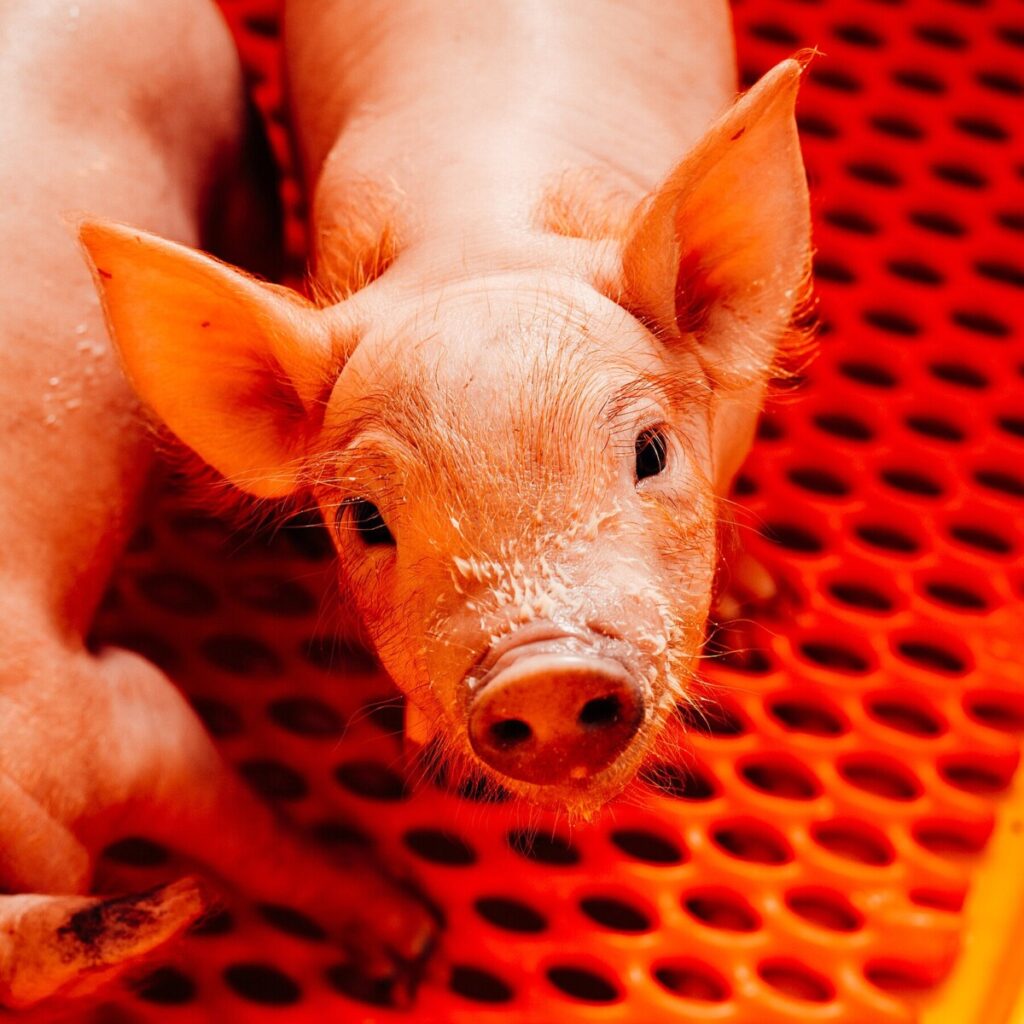
One of the key highlights of the conference was the presentation of successful preclinical trials involving genetically modified pigs, which have shown promise in providing organs for transplantation. Researchers discussed the potential of these modified pigs to produce organs that are less likely to trigger an immune response in human patients, addressing one of the most significant barriers to successful xenotransplantation. For instance, studies have indicated that hearts and kidneys from these specially engineered pigs could be transplanted into primates with minimal rejection, a breakthrough that could pave the way for human trials. Additionally, the conference featured discussions on the ethical implications of using animal organs, emphasizing the need for stringent regulations and public discourse to ensure that advances in this field align with societal values and animal welfare considerations.
The atmosphere at the conference was notably optimistic, as participants reflected on the progress made over the past few years, particularly in light of recent successful xenotransplant surgeries in humans. These pioneering cases have sparked renewed interest and funding in the field, with researchers expressing hope that the next few years could see a significant shift in the landscape of organ transplantation. As the conference concluded, attendees left with a sense of urgency and purpose, motivated to continue their collaborative efforts in refining techniques and addressing the ethical complexities of animal-human transplantation. The advancements discussed not only hold the potential to save countless lives but also challenge our understanding of the boundaries between species in medical science, making this a pivotal moment in the journey toward innovative solutions to the organ shortage crisis.
At an international conference, researchers at the forefront of animal-human transplantation compared notes and allowed themselves the first real optimism in decades.


