Switzerland Reaches Agreement With U.S. to Cut Tariff to 15%
In light of rising U.S. tariffs, Swiss dairy farmers are facing significant challenges that are prompting them to rethink their milk production strategies. The U.S. has imposed higher duties on various dairy imports, which has led to a decrease in demand for Swiss dairy products in the American market. This shift is particularly concerning for Swiss farmers, as the U.S. has traditionally been a key export destination for their high-quality cheeses and other dairy goods. The tariffs have not only impacted sales but have also created a ripple effect throughout the Swiss dairy industry, forcing farmers to evaluate their operations and consider reducing milk production to mitigate financial losses.
To adapt to these new economic realities, Swiss farmers are exploring various alternatives, including diversifying their product offerings and finding new markets. Some are investing in value-added products, such as organic or specialty cheeses, which can command higher prices and appeal to niche markets. Others are looking to strengthen their presence in European markets, where competition is less fierce compared to the U.S. Additionally, farmers are also considering more sustainable practices to cut costs and improve efficiency. For instance, some are implementing better feed management and animal welfare practices to enhance milk quality and reduce production costs. This strategic pivot reflects a broader trend within the agricultural sector, where adaptability and innovation are essential for survival in an increasingly competitive global market.
The situation underscores the complexities of international trade and its direct impact on local economies. Swiss dairy farmers, known for their commitment to quality and tradition, now find themselves navigating a landscape shaped by geopolitical factors. As they grapple with the implications of U.S. tariffs, the future of the Swiss dairy industry hangs in the balance, highlighting the need for resilience and adaptability in the face of changing trade dynamics. These developments not only affect the farmers but also resonate with consumers who value Swiss dairy products for their quality and craftsmanship, raising questions about the long-term viability of the industry in a shifting global economy.
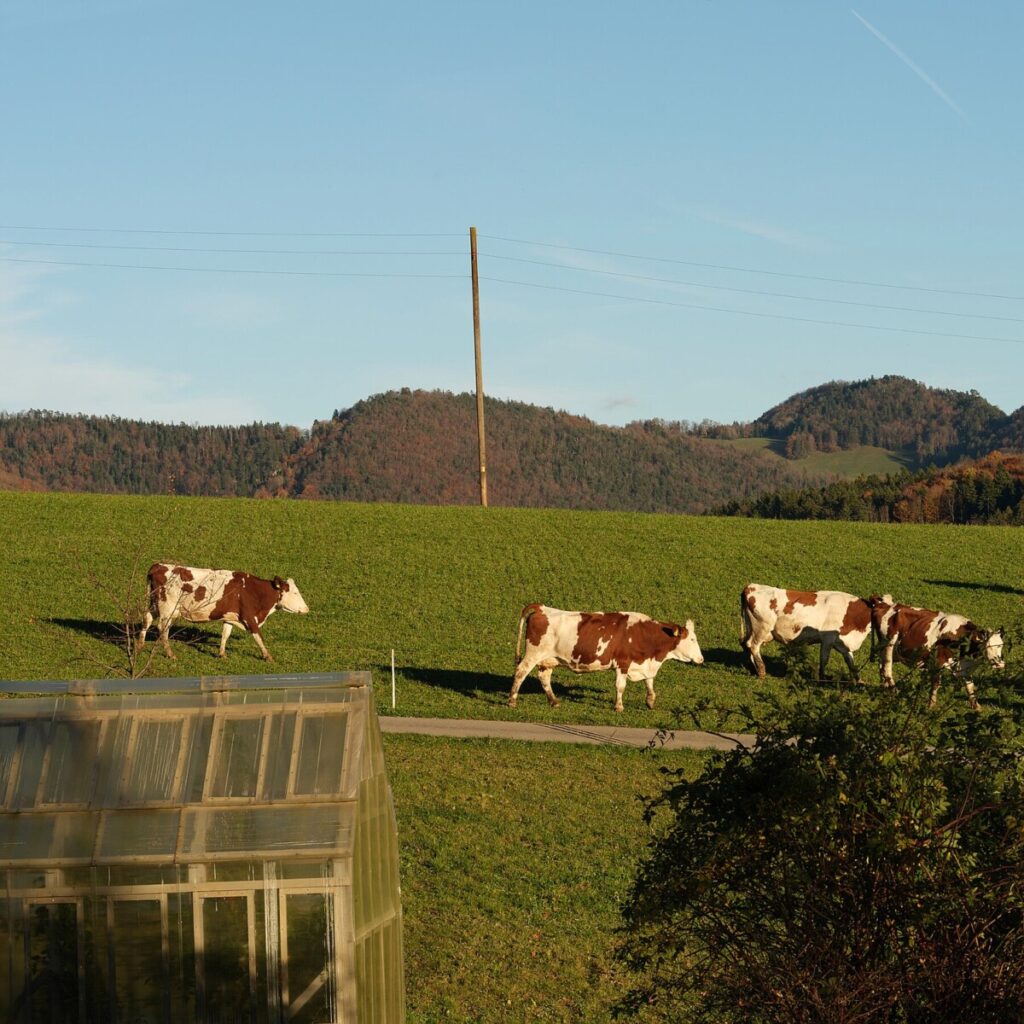
Higher U.S. duties have forced Switzerland’s dairy farmers to consider ways to cut back on milk production.