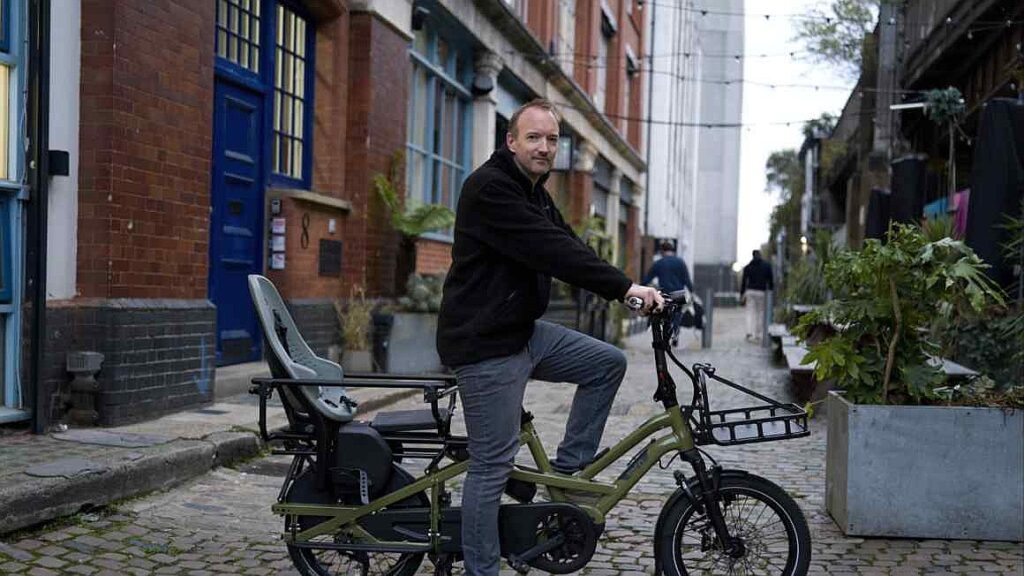
How salary sacrifice tax breaks greased the wheels of cargo bike businesses
In the lead-up to the upcoming budget announcement, retailers are expressing significant concern over proposed changes to the Cycle to Work scheme, particularly the introduction of a cap on the amount employees can spend on bicycles and equipment. Currently, the scheme allows employers to provide employees with bicycles and accessories as a tax-free benefit, promoting healthier commuting options and reducing carbon footprints. However, reports suggest that the government may impose a cap on the scheme, potentially limiting the financial incentive for both employers and employees to participate.
Retailers, especially those in the cycling industry, fear that a cap could stifle growth and consumer interest in cycling as a viable commuting option. For instance, high-quality bicycles can often exceed the anticipated cap, which would dissuade employees from investing in more expensive models that offer better performance and durability. This could lead to a decline in sales for retailers who depend on the scheme to drive business. The British Retail Consortium has voiced that a reduction in the scheme’s attractiveness could hinder the momentum gained in recent years, where cycling has seen a surge in popularity, partly due to the pandemic and a growing emphasis on sustainable transport.
Moreover, the implications of this cap extend beyond the retail landscape. With cycling being a key element in government strategies to reduce traffic congestion and environmental impact, limiting the scheme could undermine broader public health and environmental goals. Retailers are advocating for a more flexible approach that would allow for a wider range of bicycle options, thereby encouraging more individuals to adopt cycling as a primary mode of transport. As the budget date approaches, the cycling community and retailers alike are urging the government to reconsider this cap, emphasizing that a robust Cycle to Work scheme is not only beneficial for the economy but also crucial for fostering a healthier, more sustainable future.
Retailers worry about the impact of expected cap on cycle to work scheme in Budget