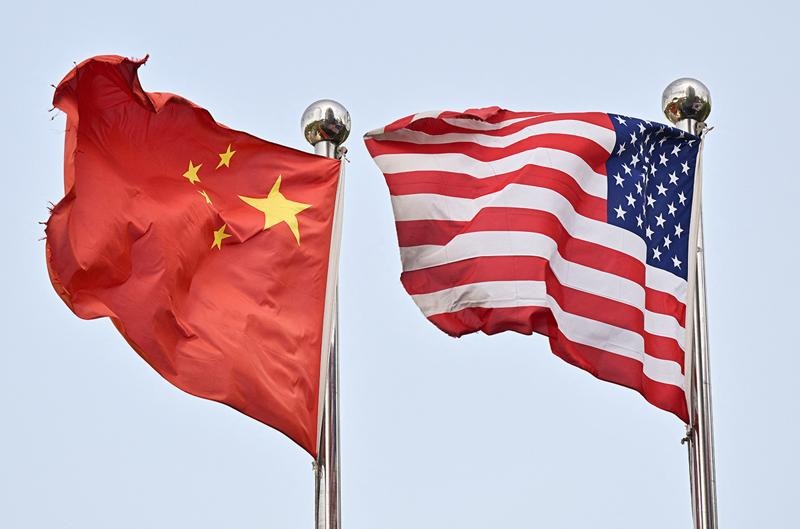
U.S. Congress considers sweeping ban on Chinese collaborations
In a recent wave of concern among the scientific community, researchers have voiced strong opposition to a proposed policy that would prohibit U.S. scientists from collaborating with Chinese partners or training Chinese students. This proposal, which has emerged amidst escalating geopolitical tensions between the United States and China, is seen by many as a detrimental move that could stifle innovation, hinder scientific progress, and disrupt longstanding academic partnerships. Proponents of the policy argue that it is necessary to protect U.S. intellectual property and national security, but critics warn that it could lead to a significant setback in global scientific collaboration, which has been essential for advancements in various fields, including medicine, technology, and environmental science.
The scientific community’s apprehension is rooted in the belief that collaboration across borders fosters creativity and accelerates discoveries that benefit humanity as a whole. For instance, the COVID-19 pandemic highlighted the importance of international cooperation in research, with scientists from different countries working together to develop vaccines and treatments at an unprecedented pace. By restricting funding and collaboration with Chinese researchers, the proposed policy could isolate U.S. scientists, limiting their access to diverse perspectives and expertise. Additionally, many researchers emphasize that training the next generation of scientists, including those from China, is crucial for maintaining a competitive edge in science and technology. The U.S. has historically been a leader in scientific research, and an inclusive approach that embraces collaboration rather than exclusion is seen as vital for sustaining this leadership.
Furthermore, the implications of such a policy extend beyond the immediate scientific community. It could deter international students from pursuing education in the U.S., impacting universities that rely on tuition from foreign students and diminishing the cultural exchange that enriches academic environments. As the debate continues, researchers are urging policymakers to consider the long-term consequences of such a ban on collaboration and training, advocating for a more nuanced approach that addresses security concerns while still promoting scientific cooperation. The outcome of this proposal will undoubtedly shape the future of U.S.-China relations in the scientific arena and could have lasting effects on global research initiatives.
Researchers speak out against proposal that would bar funding for U.S. scientists working with Chinese partners or training Chinese students


