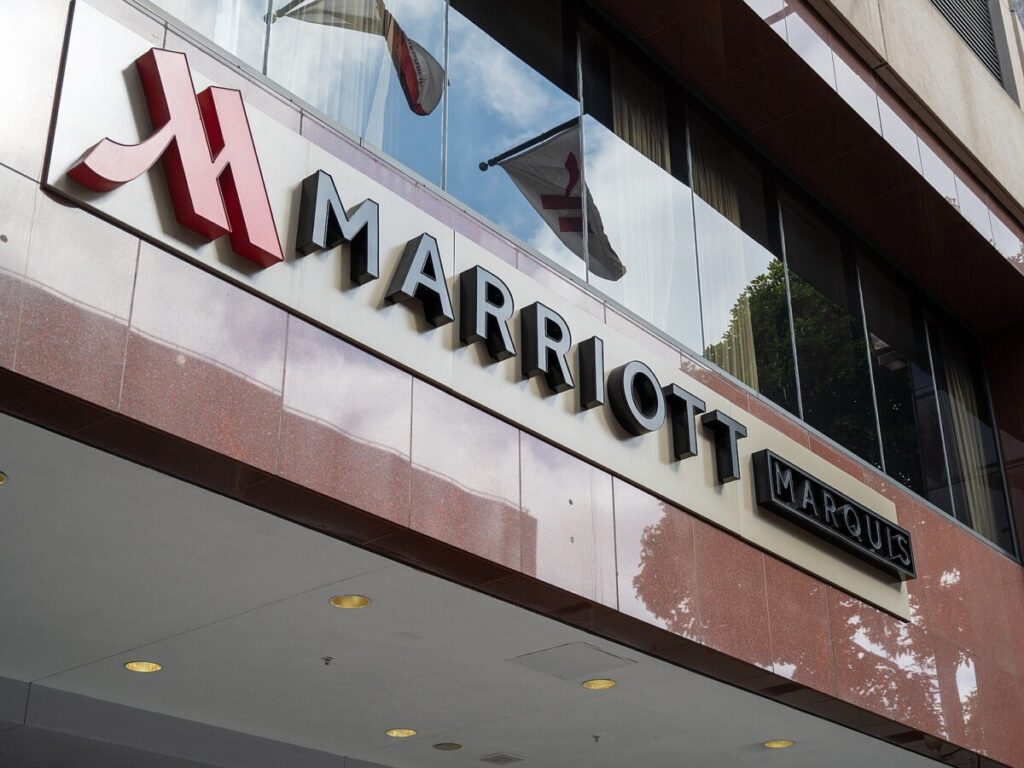
It’s official. Sonder files for bankruptcy after its Marriott breakup.
In a shocking turn of events, Sonder, a prominent short-term rental company, has filed for Chapter 7 bankruptcy after Marriott International abruptly terminated their licensing agreement. The San Francisco-based firm, which once boasted thousands of rental units worldwide, announced its decision to wind down U.S. operations, leaving many guests in a state of confusion and chaos. Marriott’s sudden move, revealed on November 7, came just two days before Sonder’s bankruptcy filing, catching many travelers off guard as they were forced to vacate their accommodations with little notice. The bankruptcy petition indicates that Sonder has between $1 billion and $10 billion in both assets and liabilities, with over 5,000 creditors spanning multiple countries.
Sonder’s troubles stemmed from significant financial constraints, exacerbated by difficulties in integrating its systems with Marriott’s booking arrangements. Despite efforts to explore various financing options and potential sales to stabilize its financial health, the company was unable to secure a viable path forward. A promising deal that could have provided necessary funding collapsed unexpectedly just days before the bankruptcy filing, leaving Sonder in a precarious position. The company’s co-founder, Francis Davidson, expressed his disbelief at the rapid decline of a business he had nurtured since its inception in 2014, highlighting the challenges faced even after a seemingly positive recovery earlier in the year.
As part of the fallout, Marriott has advised affected Sonder guests to contact their credit card companies for potential refunds, adding another layer of complexity to an already turbulent situation. The termination of the licensing agreement not only severed Sonder’s ties with Marriott Bonvoy but also led to the cancellation of numerous reservations, leaving travelers scrambling for alternative accommodations. This episode serves as a cautionary tale in the volatile landscape of the hospitality industry, where partnerships can dissolve rapidly, leaving both businesses and consumers to navigate the aftermath.
Marriott is asking its affected Sonder guests to ask their credit card companies for refunds.
Smith Collection/Gado/Getty Images
Sonder has filed for bankruptcy after Marriott ended its licensing agreement.
The short-term rental firm filed for Chapter 7 liquidation proceedings.
The Sonder-Marriott fiasco has sparked chaos and confusion for guests.
Hospitality company
Sonder
has officially filed for bankruptcy following the collapse of its partnership with hotel giant
Marriott International
.
The San Francisco firm, which operated thousands of short-term rental units, including apartment-style and boutique hotel accommodations around the globe, filed for
Chapter 7 liquidation proceedings
in federal bankruptcy court in Delaware on Friday.
In a legal filing, Sonder listed its estimated assets as between $1 billion and $10 billion and its estimated liabilities as between $1 billion and $10 billion.
Sonder
announced its bankruptcy plans
on Monday, saying it would immediately wind down its US operations. The day before, Marriott had announced an abrupt end to its licensing agreement with the company — a move that sparked
chaos and confusion for blindsided guests
.
As Business Insider has reported, many guests were forced to leave their accommodations with little notice the day of Marriott’s announcement.
Sonder’s bankruptcy filing said Marriott terminated its licensing agreement with the company on November 7, two days prior to the hotel chain’s announcement.
Friday’s bankruptcy petition said the company has between 5,001 and 10,000 creditors. It didn’t list dollar amounts owed, but included a matrix of creditors representing individuals and companies from Italy to Canada, including those in the security services and software sectors.
In announcing its plans to file for Chapter 7, Sonder also said it would “initiate insolvency proceedings” in other countries where it operates.
Sonder, a firm once valued at over $1 billion, said it “faced severe financial constraints arising from, among other things, prolonged challenges in the integration of the Company’s systems and booking arrangements with Marriott International.”
The short-term rental company said it “made comprehensive efforts to evaluate all financing and other strategic alternatives, including a sale of its business and operations, to improve its financial condition,” but was “unable to execute a viable going concern transaction for its business and operations or obtain additional liquidity.”
Friday’s filing suggested the process started in September when Sonder formed a special board committee to explore strategic options. By October, the company and its advisors were engaged in a deal to sell assets and secure a type of financing that would have allowed it to continue operating while restructuring debt. On November 2, those negotiations abruptly collapsed as the “lender/purchaser suddenly and unexpectedly” withdrew from negotiations, the filing said.
On November 6, Sonder secured what it called “incremential financing” from Marriott to fund “critical short-term obligations.”
In addition to managing properties, Sonder — which launched in 2014 — also offered travelers an online platform to book stays at those properties.
Marriott signed its long-term licensing agreement with Sonder in August 2024, prompting Sonder to rebrand as Sonder by Marriott Bonvoy.
The deal allowed
Marriott Bonvoy
members to book Sonder stays directly through the hotel giant’s platforms.
On Sunday, the hotel chain announced that the agreement had been terminated due to “Sonder’s default.”
“As a result, Sonder is no longer affiliated with Marriott Bonvoy, and Sonder properties are not available for new bookings on Marriott’s channels,” Marriott said.
This led to the cancellation of travellers’ current reservations and future bookings.
Sonder’s cofounder,
Francis Davidson
, told Business Insider this week that he was stunned by the downfall of the company that he launched as a college student.
“I’ve poured my heart and soul into building this company, starting as a college student in 2014 and through the pandemic,” said Davidson.
“We all felt good about the positive momentum we were seeing in June when I left, and so to then see that the business has now run into a brick wall, it’s just shocking to me,” he said.
Read the original article on
Business Insider


