Balancing between evolutionary rescue and extinction: The adaptive potential of reef-building corals in a warming world | Science
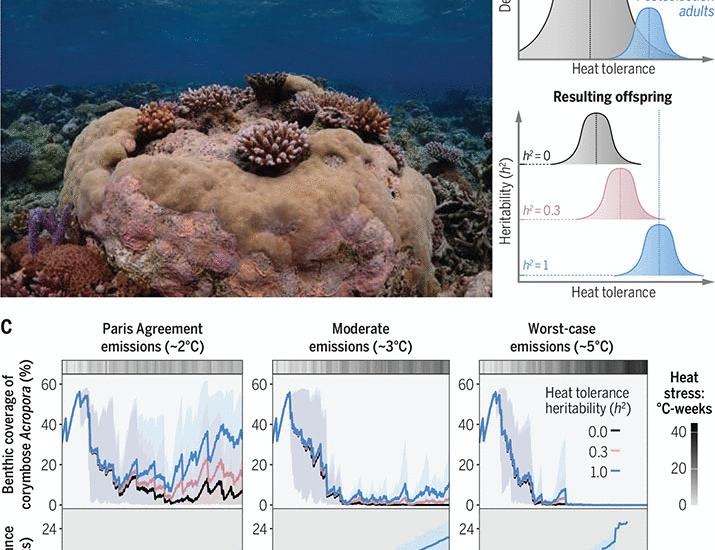
In the face of climate change, reef-building corals are exhibiting remarkable adaptive potential that may offer hope for their survival in a warming world. As ocean temperatures rise and acidification intensifies, many coral species are facing unprecedented stress, leading to widespread bleaching events that threaten the biodiversity of coral reefs. However, recent research has highlighted the ability of some coral populations to adapt to changing environmental conditions, showcasing their resilience and the potential for recovery. Scientists are investigating the genetic and physiological mechanisms that enable these corals to withstand rising temperatures and other stressors, emphasizing the importance of preserving genetic diversity within coral populations.
One notable example of adaptive potential is seen in the coral species *Acropora millepora*, which has demonstrated the ability to acclimatize to higher temperatures through symbiotic relationships with heat-tolerant algae. This symbiosis not only enhances the corals’ thermal tolerance but also contributes to their overall health and growth. Researchers have also identified specific genes associated with stress response in corals, providing insights into how these organisms can adapt at a cellular level. Conservation efforts are increasingly focusing on protecting these resilient populations and their habitats, as well as exploring assisted evolution techniques, such as selective breeding and the transplantation of heat-resistant corals to restore degraded reefs.
The implications of these findings are profound, as healthy coral reefs provide essential ecosystem services, including coastal protection, habitat for marine life, and support for local economies through tourism and fisheries. As scientists continue to explore the adaptive potential of corals, their research underscores the urgent need for comprehensive conservation strategies that address the impacts of climate change. By fostering resilience in coral populations, we can not only help preserve these vital ecosystems but also ensure their continued contribution to marine biodiversity and the livelihoods of communities that depend on them. The future of coral reefs may depend on our ability to understand and support their adaptive capacities in an ever-changing environment.
The adaptive potential of reef-building corals in a warming world


