Scientists Grow More Hopeful About Ending a Global Organ Shortage
At a recent international conference dedicated to the evolving field of animal-human transplantation, researchers shared groundbreaking insights and fostered a renewed sense of optimism that has been absent for decades. This gathering brought together leading scientists, ethicists, and medical professionals from around the globe, who collectively explored the latest advancements in xenotransplantation—the process of transplanting organs or tissues from one species to another. The conference underscored the urgent need for viable organ replacements, as the demand for human organs far exceeds supply, leading to thousands of patients awaiting transplants. Historically, the field has faced significant hurdles, including immune rejection and ethical concerns, but recent breakthroughs in genetic engineering and immunosuppression have reignited hope among researchers.
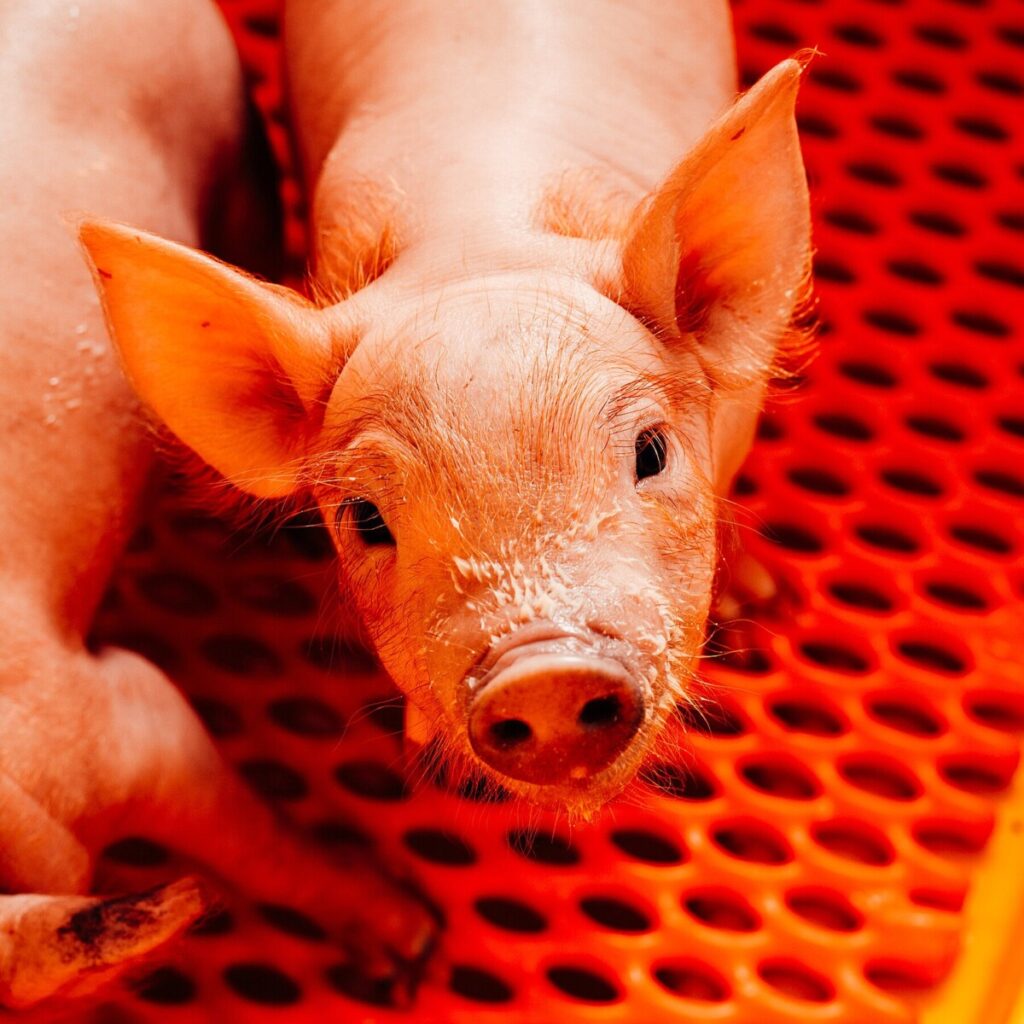
One of the most promising developments discussed was the use of genetically modified pigs as organ donors. Researchers have successfully altered the pig genome to reduce the likelihood of rejection by the human immune system. For instance, scientists have been able to knock out specific genes in pigs that produce proteins triggering immune responses in humans. This innovation, coupled with advancements in immunosuppressive therapies, has significantly improved the prospects for successful xenotransplantation. During the conference, several case studies were presented, showcasing successful transplant procedures in primates and even a few in humans, where patients have shown remarkable tolerance to the transplanted organs. These examples illustrate the potential for xenotransplantation to alleviate the organ shortage crisis and save countless lives.
Moreover, the conference served as a platform for addressing ethical considerations surrounding animal-human transplants. Discussions centered on animal welfare, the potential for zoonotic diseases, and the moral implications of using animals for organ donation. Researchers emphasized the importance of establishing strict guidelines and regulations to ensure humane treatment of donor animals and to mitigate risks to human health. As the field progresses, the collaboration among researchers, ethicists, and regulatory bodies will be crucial in navigating these complex issues. The optimism expressed at the conference reflects a significant shift in the narrative surrounding xenotransplantation, suggesting that the dream of overcoming organ shortages through animal-human transplantation may soon become a reality.
At an international conference, researchers at the forefront of animal-human transplantation compared notes and allowed themselves the first real optimism in decades.


