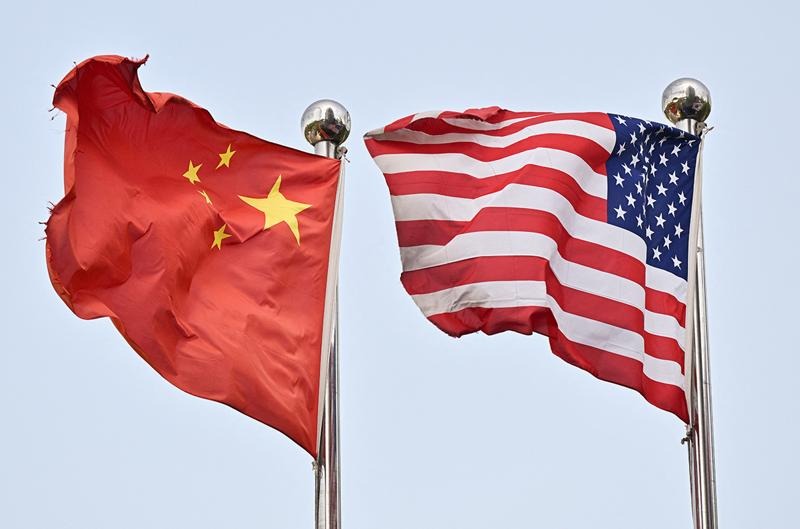
U.S. Congress considers sweeping ban on Chinese collaborations
In a significant development within the realm of scientific collaboration, a group of researchers has voiced strong opposition to a proposed policy that would restrict funding for U.S. scientists collaborating with Chinese partners or providing training to Chinese students. This proposal, which is part of broader national security concerns, stems from fears regarding intellectual property theft and technological espionage. Advocates for the proposal argue that limiting these collaborations is essential to protect U.S. innovation and maintain a competitive edge in critical fields such as artificial intelligence, biotechnology, and quantum computing. However, many researchers believe that such restrictions could stifle scientific progress and undermine the global nature of modern research.
Critics of the proposal emphasize the importance of international collaboration in advancing scientific knowledge and addressing global challenges, such as climate change and public health crises. They argue that many breakthroughs in science and technology have emerged from partnerships that transcend national boundaries. For instance, joint research initiatives have led to significant advancements in vaccine development and climate science, showcasing the benefits of diverse perspectives and expertise. By isolating U.S. scientists from their Chinese counterparts, the proposed policy could hinder the flow of ideas and resources necessary for tackling complex problems that require a global response.
Moreover, researchers highlight the potential negative impact on education and training, particularly for Chinese students who contribute to U.S. academic institutions. The opportunity for cross-cultural exchange not only enriches the educational experience for all students but also fosters a sense of global citizenship and collaboration. The proposal, if enacted, could deter talented individuals from pursuing studies in the U.S., ultimately affecting the country’s ability to attract and retain top talent in science and engineering fields. As the debate continues, it remains crucial for policymakers to consider the long-term implications of restricting scientific collaboration and the potential consequences for innovation and global cooperation in addressing pressing issues.
Researchers speak out against proposal that would bar funding for U.S. scientists working with Chinese partners or training Chinese students


