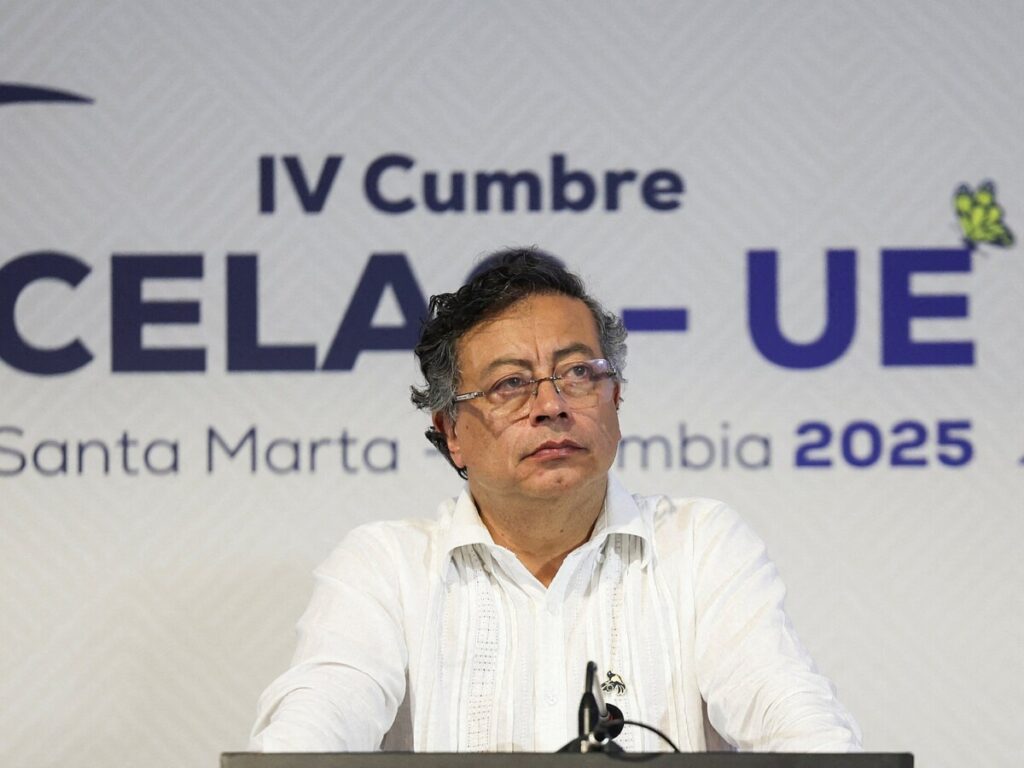
Colombia to maintain US intelligence-sharing to fight drug trafficking
In a significant shift in Colombia’s foreign policy, President Gustavo Petro announced that the country will cease cooperation with the United States regarding military strikes on alleged drug trafficking boats. This decision follows a series of controversial U.S. airstrikes that targeted vessels suspected of transporting narcotics, which Petro argues have resulted in collateral damage and have not effectively addressed the root causes of drug trafficking. The Colombian leader expressed his commitment to a more humane approach to combating drug-related issues, emphasizing the need for dialogue and development rather than military intervention.
Petro’s announcement comes amid rising tensions between Colombia and the U.S., particularly concerning the effectiveness and ethical implications of U.S.-led drug enforcement strategies. For instance, in recent months, there have been reports of civilian casualties linked to these airstrikes, prompting criticism from various human rights organizations. Petro’s administration aims to shift the focus from military solutions to more comprehensive strategies that involve social investment and community development, addressing the socioeconomic factors that contribute to drug production and trafficking.
This pivot in Colombia’s approach reflects a broader trend in Latin America, where several countries are reevaluating their relationships with the U.S. in light of the ongoing drug crisis. As Colombia moves away from military collaboration, it raises questions about the future of U.S.-Latin America relations and the effectiveness of traditional anti-drug strategies. President Petro’s decision signals a potential redefinition of Colombia’s role in the global drug war, advocating for policies that prioritize human rights and sustainable development over military action.
Announcement comes after President Petro said Colombia would stop working with US over strikes on alleged drug boats.


