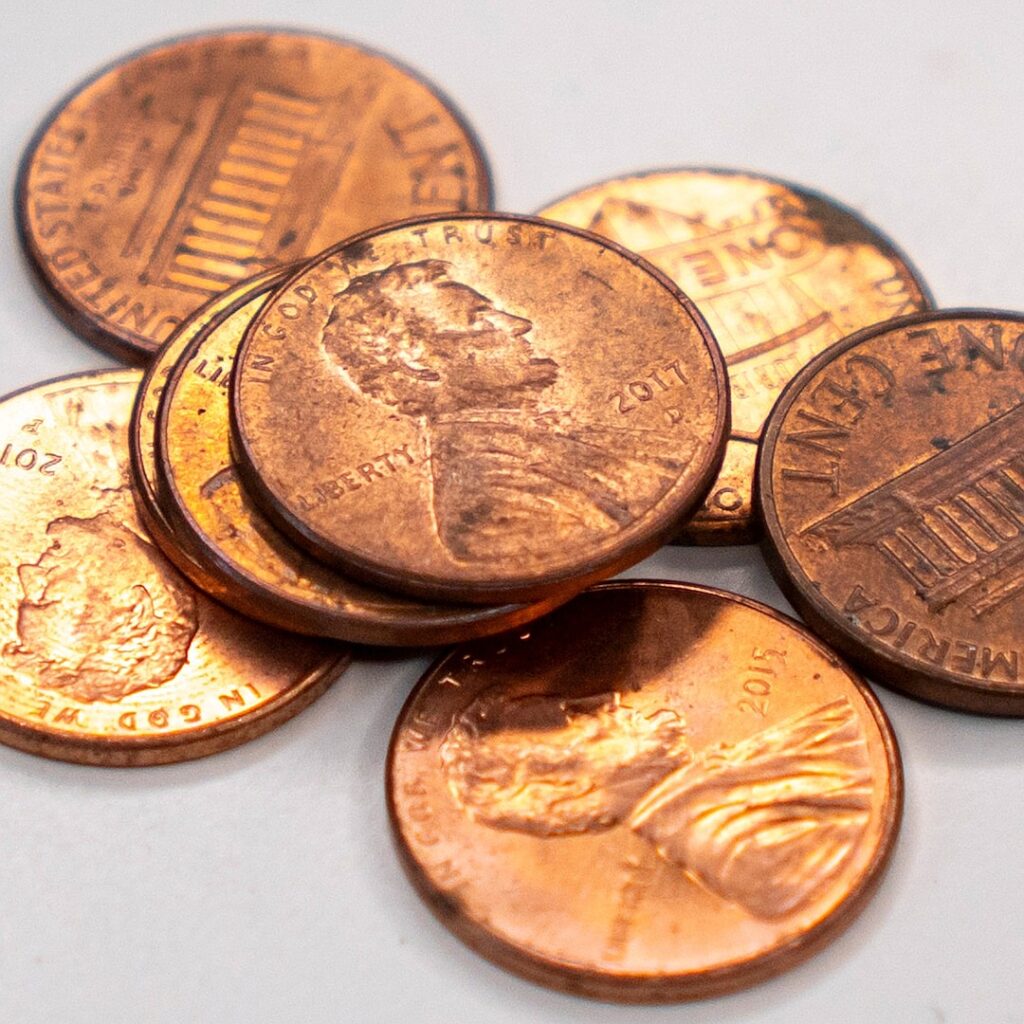
The Penny Is Dead After 232 Years—Why You Shouldn’t Get Rid of It
In a historic move, the United States has officially ceased the production of the penny after 232 years of circulation. The decision comes as a culmination of ongoing debates about the coin’s practicality and cost-effectiveness. Minting a single penny now costs the U.S. Treasury approximately 2.1 cents, leading to a staggering loss of around $70 million annually. This financial burden has prompted lawmakers and economists to reconsider the necessity of the one-cent coin in an increasingly digital economy where transactions are often rounded to the nearest nickel.
The penny’s journey began in 1792, with its introduction as a symbol of the nation’s burgeoning economy. Over the years, it has become an iconic representation of American culture, often associated with phrases like “a penny saved is a penny earned.” However, as cash transactions decline and digital payments rise, the relevance of the penny has diminished significantly. A growing number of businesses and consumers have expressed a preference for rounding transactions to streamline the payment process, further diminishing the role of the penny in everyday commerce.
The decision to halt penny production also reflects a broader trend of currency evolution. As the U.S. grapples with the implications of a cashless society, discussions around the future of other denominations may intensify. Countries like Canada and Australia have already eliminated their one-cent coins, and with the U.S. following suit, it raises questions about what lies ahead for the American currency system. As we bid farewell to the penny, it serves as a reminder of how economic practices and consumer behavior can shape the very fabric of our monetary system.
Unfortunately, making the one-cent coin really did cost a pretty penny.
After 232 years in circulation—nearly as long as the United States of America has been a country—the final penny was minted…