Scientists Grow More Hopeful About Ending a Global Organ Shortage
At a recent international conference, leading researchers in the field of animal-human transplantation convened to share their groundbreaking findings and foster collaboration in a field that has seen both promise and setbacks over the years. This gathering marked a pivotal moment in xenotransplantation—the process of transplanting organs or tissues from one species to another—with scientists expressing a renewed sense of optimism about overcoming the challenges that have long plagued this innovative area of medical research. The conference showcased advancements in genetic engineering, particularly the use of CRISPR technology, which has enabled scientists to modify animal organs to make them more compatible with the human immune system. This breakthrough could potentially address the critical shortage of human organs available for transplantation, which has led to countless individuals waiting for life-saving procedures.
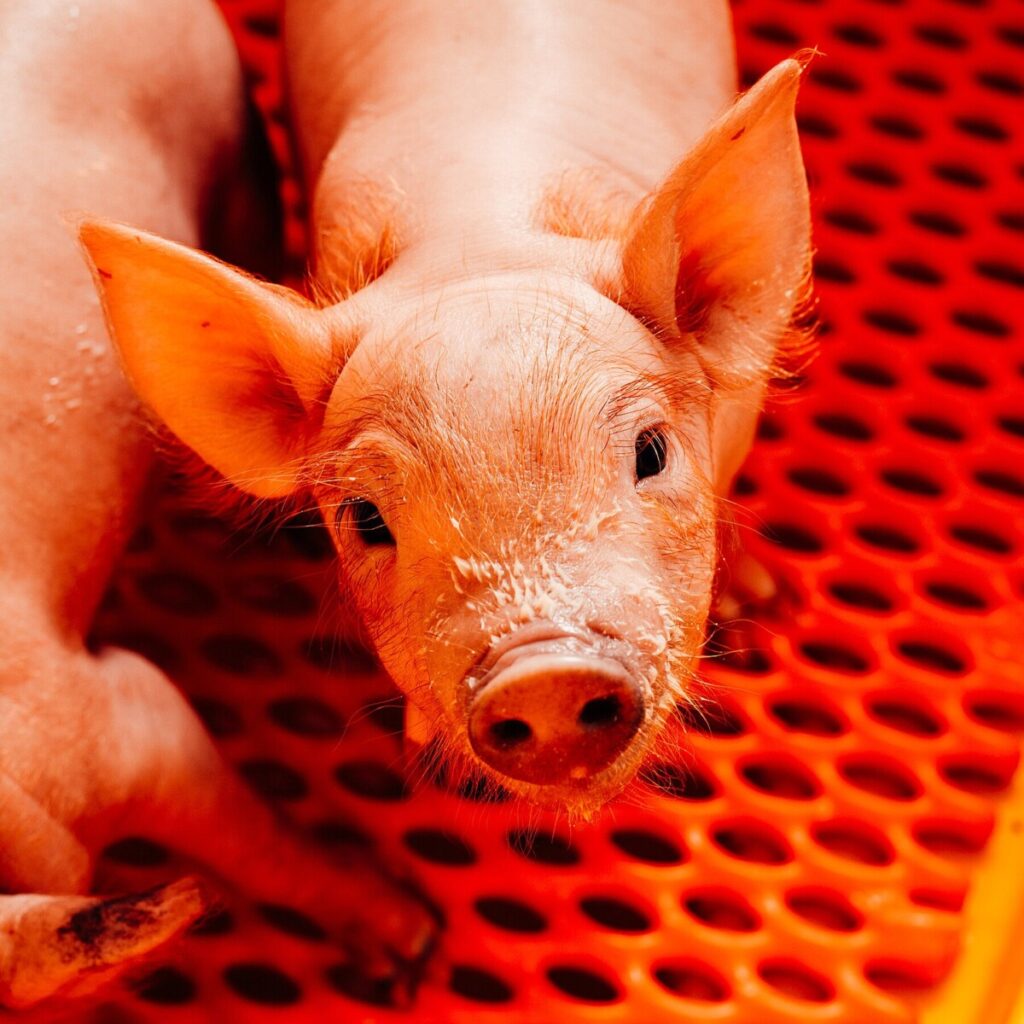
One of the most compelling discussions at the conference centered around recent successful experiments involving genetically modified pigs. These pigs have been engineered to lack certain antigens that trigger immune rejection in human recipients, making them a more viable option for organ donation. Researchers shared case studies highlighting successful transplant procedures in primates, where modified pig organs have functioned effectively without significant rejection. This progress has ignited hope among medical professionals and patients alike, as the prospect of using animal organs could significantly reduce the waiting time for transplants and improve outcomes for patients suffering from organ failure. Furthermore, experts emphasized the importance of ethical considerations and regulatory frameworks to ensure the safety and efficacy of such procedures as they move closer to human trials.
The renewed optimism at the conference reflects a broader trend in the medical community, where the convergence of biotechnology and transplantation science is paving the way for revolutionary treatments. As researchers continue to collaborate and innovate, the dream of successful animal-human transplants is inching closer to reality. With ongoing studies and clinical trials on the horizon, the potential to save lives through xenotransplantation is becoming increasingly tangible, offering a beacon of hope for patients in desperate need of organ transplants. As this field progresses, it is essential to maintain a dialogue around the ethical implications and potential risks involved, ensuring that advancements in science do not outpace our understanding of their consequences.
At an international conference, researchers at the forefront of animal-human transplantation compared notes and allowed themselves the first real optimism in decades.


