Preventing hypocontractility-induced fibroblast expansion alleviates dilated cardiomyopathy | Science
**Understanding the Role of Fibroblasts in Inherited Dilated Cardiomyopathy**
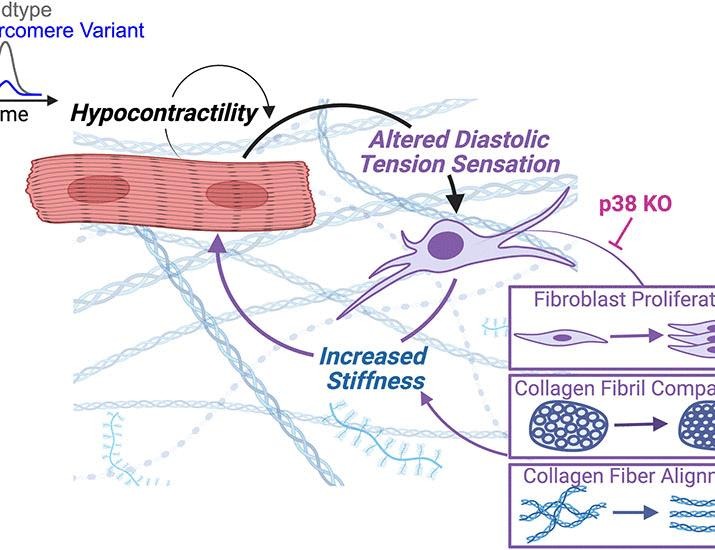
Inherited dilated cardiomyopathy (DCM) is a serious heart condition characterized by the enlargement and weakening of the heart muscle, leading to reduced cardiac function. Recent studies have highlighted that hypocontractility, or reduced contractile function of cardiomyocytes (heart muscle cells), is a key feature of DCM. While the focus has primarily been on cardiomyocytes, emerging research suggests that fibroblasts, the connective tissue cells in the heart, may also play a significant role in influencing the phenotypes of DCM. Despite their known involvement in the regulation of fibrosis, which is a critical factor in determining the severity of DCM, the precise impact of fibroblasts on the disease’s progression and manifestation remains poorly understood.
Fibroblasts are essential for maintaining the structural integrity of the heart and are involved in the repair processes following injury. However, in the context of DCM, they can contribute to pathological remodeling through excessive fibrosis, which can exacerbate heart dysfunction. For instance, when fibroblasts become activated, they can produce excessive extracellular matrix proteins, leading to stiffening of the heart tissue and impaired contractility. This fibrotic response is often correlated with the severity of DCM, as increased fibrosis can further hinder the heart’s ability to pump effectively. The expression of specific markers in fibroblasts, such as collagen and other matrix components, provides insight into their role in the disease. Understanding how these cells interact with cardiomyocytes and contribute to the overall pathology of DCM could open new avenues for targeted therapies aimed at mitigating the effects of fibrosis and improving heart function.
Recent advances in research methodologies, including genetic and molecular profiling of cardiac tissues, are beginning to shed light on the complex interplay between cardiomyocytes and fibroblasts in DCM. By elucidating the mechanisms by which fibroblasts modify DCM phenotypes, scientists hope to identify potential therapeutic targets that could help manage or even reverse the progression of this debilitating condition. For patients and families affected by inherited DCM, these insights are not just academic; they represent the hope for more effective treatments that could significantly improve quality of life and outcomes. As the research community continues to explore the multifaceted roles of heart cells, the potential for breakthroughs in understanding and treating DCM becomes increasingly promising.
Cardiomyocyte hypocontractility underlies inherited dilated cardiomyopathy (DCM). Yet, whether fibroblasts modify DCM phenotypes remains unclear despite their regulation of fibrosis, which strongly predicts disease severity. Expression of a …


