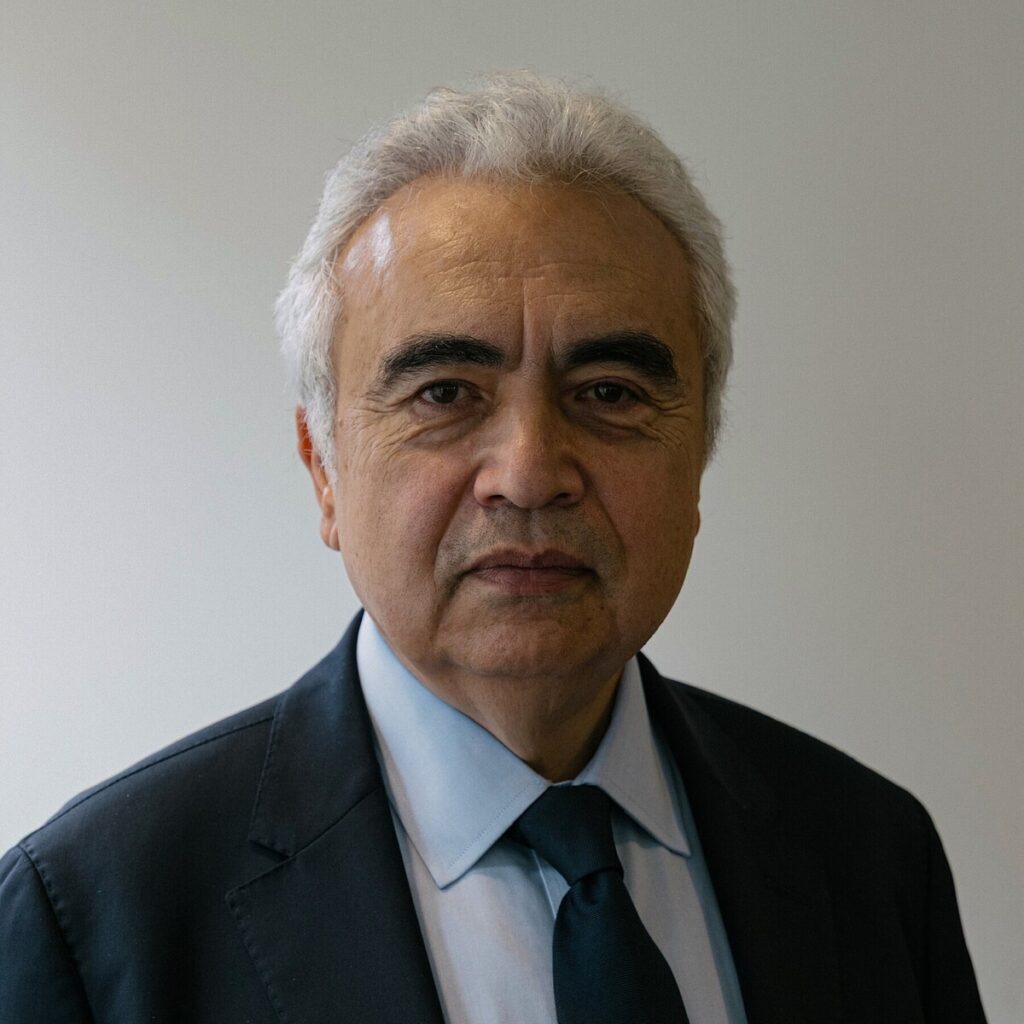
Why Everyone Wants to Meet the ‘World’s Most Boring Man’
Fatih Birol, the Executive Director of the International Energy Agency (IEA), has become a pivotal figure in the global energy dialogue, capturing the attention of politicians, oil giants, and climate activists alike. His influence stems from his ability to navigate the complex intersection of energy policy, climate change, and economic development. Under his leadership, the IEA has evolved from a traditional energy watchdog into a proactive advocate for sustainable energy solutions, emphasizing the urgency of transitioning to renewable sources. Birol’s clear and compelling messaging about the need for a balanced approach to energy security and climate action has resonated across diverse audiences, making him a sought-after voice in international energy discussions.
Birol’s rise to prominence has not been without controversy. The Trump administration, for instance, criticized him for promoting policies that challenge fossil fuel dominance, reflecting a broader tension between climate goals and traditional energy interests. Despite pushback from certain political factions, Birol has remained steadfast in his commitment to addressing climate change. His recent reports, which underscore the necessity of reducing carbon emissions and investing in clean technologies, have garnered attention from both sides of the aisle. For example, the IEA’s World Energy Outlook has highlighted the potential for renewable energy to not only mitigate climate change but also create jobs and stimulate economic growth, presenting a compelling case for policymakers and industry leaders.
Birol’s work has also sparked significant engagement from climate activists who view his leadership as crucial in the fight against global warming. His advocacy for a “net-zero by 2050” target aligns with the goals of many environmental groups, positioning the IEA as a key player in the global transition to sustainable energy. As countries grapple with the realities of climate change and energy security, Birol’s insights and recommendations are increasingly sought after, making him a central figure in shaping the future of global energy policy. His ability to bridge the gap between various stakeholders demonstrates not only his expertise but also his commitment to fostering a collaborative approach to one of the most pressing challenges of our time.
Politicians, oil giants and climate activists hang on his every word. The Trump administration has blasted him. How did Fatih Birol get so big?


