What Scientists Are Learning From Brain Organoids
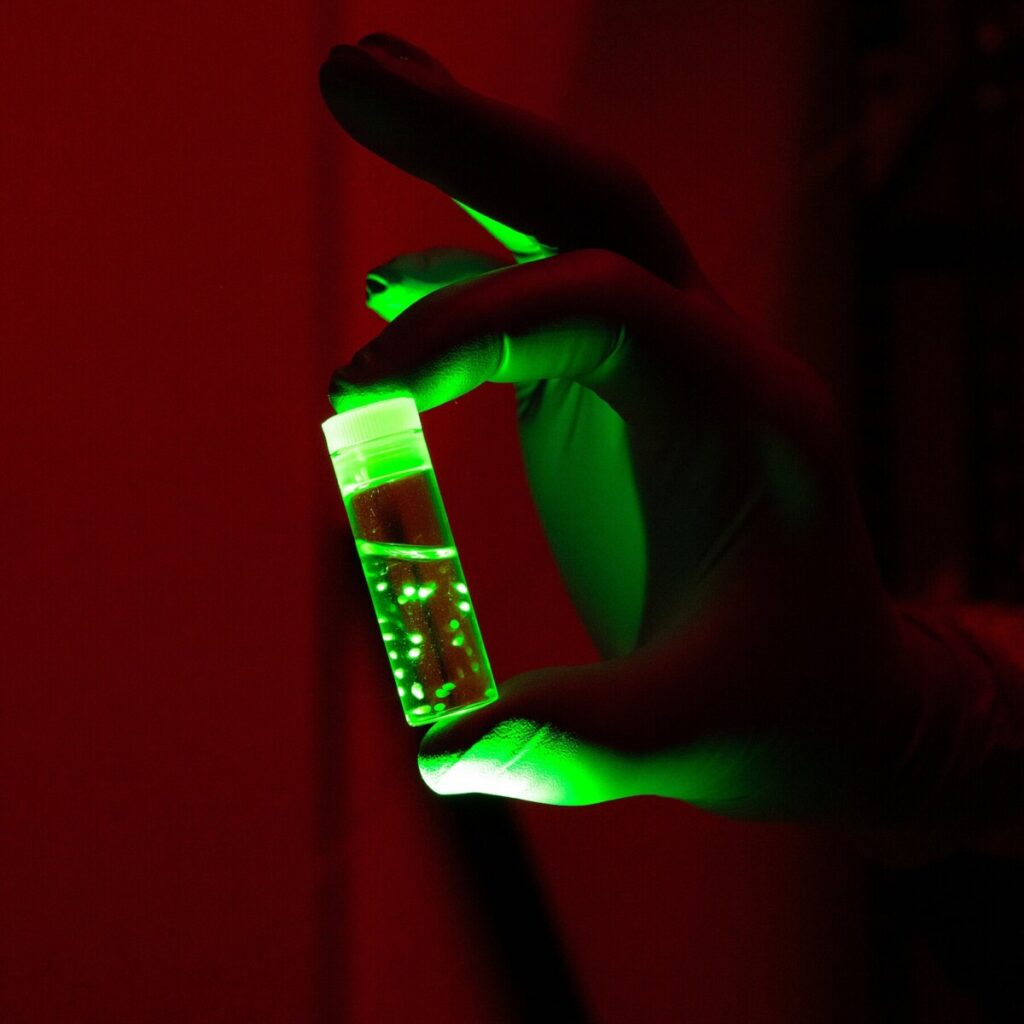
In recent advancements in neuroscience, researchers have developed lab-grown “reductionist replicas” of the human brain, which are proving invaluable in the study of fetal development and cognitive disorders such as autism. These miniature brain models, often referred to as brain organoids, are created from human stem cells and mimic certain aspects of brain structure and function. By analyzing these organoids, scientists can gain insights into the complex processes that occur during early brain development, which could lead to a better understanding of how various cognitive disorders manifest and evolve.
For instance, by observing how these organoids respond to different stimuli or genetic modifications, researchers can pinpoint specific developmental pathways that may contribute to conditions like autism. This research is particularly significant given the rising prevalence of autism spectrum disorders, which affect approximately 1 in 44 children in the U.S. alone. The ability to study these conditions in a controlled lab environment allows for experimentation that would be impossible in living subjects, potentially leading to breakthroughs in early diagnosis and intervention strategies. However, the use of such advanced technology raises important ethical questions about the nature of consciousness and the moral implications of creating life-like models of the human brain.
As scientists continue to explore the capabilities and limitations of brain organoids, discussions surrounding the ethical boundaries of this research are becoming increasingly critical. Questions arise about the potential for these models to develop forms of consciousness or self-awareness, as well as the implications of manipulating human brain development at such an early stage. The intersection of innovation and ethics in this field necessitates ongoing dialogue among researchers, ethicists, and the public to ensure that scientific progress is balanced with moral responsibility. As we stand on the brink of potentially transformative discoveries in understanding human cognition, it is essential to navigate these ethical landscapes thoughtfully, ensuring that the benefits of such research are realized without compromising our ethical obligations to humanity.
Lab-grown “reductionist replicas” of the human brain are helping scientists understand fetal development and cognitive disorders, including autism. But ethical questions loom.


