Editorial: Federal bureaucrats scoff at ‘arbitrary’ regulations
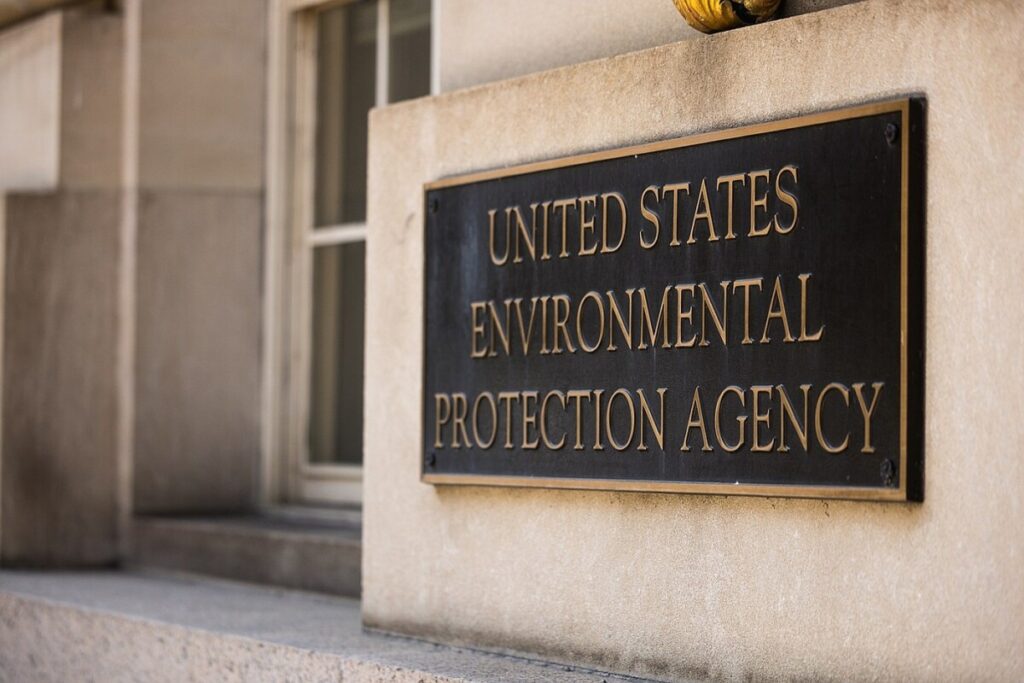
In a striking display of federal overreach, the Army Corps of Engineers and the Environmental Protection Agency (EPA) have seemingly disregarded a pivotal Supreme Court ruling that curtails their authority over wetlands regulation under the Clean Water Act. The 2023 Supreme Court case, Sackett v. EPA, established a clear precedent: only wetlands with a continuous surface connection to navigable waters—like oceans, lakes, rivers, or streams—are subject to federal regulation. This decision was a significant win for property rights, aiming to protect landowners from arbitrary bureaucratic interventions. However, despite this ruling, the Army Corps has continued to impose restrictive interpretations of what constitutes “wetlands,” effectively undermining the court’s authority and the rights of property owners nationwide.
For instance, Rebecca and Caleb Link, who own a five-acre parcel in Kootenai, Idaho, faced federal pushback when they attempted to use their land for agricultural purposes. Their property is situated approximately one mile from a stream and two miles from a lake, yet federal bureaucrats still claimed jurisdiction over it. The Links now find themselves entangled in a costly battle to assert their rights against the Corps’ expansive interpretation of wetlands. Similarly, the Pacific Legal Foundation has taken on the case of Teancum Properties in Utah, which encountered similar regulatory hurdles when the Army Corps claimed authority over a salt playa and wetlands on their land, despite these features being separated from navigable waters by a municipal road. These examples illustrate a troubling trend where federal agencies appear to operate outside the bounds of judicial oversight, raising concerns about the safety and rights of property owners across the country.
The implications of these actions are profound, as they challenge the foundational checks and balances that the Founders enshrined in the Constitution. While the executive branch and its agencies are subject to oversight by Congress and the judiciary, the apparent disregard for Supreme Court decisions by agencies like the Army Corps poses a threat to individual liberties and property rights. As the Pacific Legal Foundation aptly notes, if federal agencies can simply ignore judicial rulings, no property owner is truly safe from arbitrary and unlawful regulation. This situation calls for greater accountability and adherence to the rule of law, ensuring that the rights of citizens are upheld against overreaching government authority.
Democrats have been outspoken in their concern that President Donald Trump might flout a court order. Yet they shrug when federal bureaucrats ignore Supreme Court precedent to exert their vast authority.
Trump should indeed respect judicial rulings. But as the courts whittle away at the power of government functionaries to interpret vague congressional statutes, at least one federal agency has apparently chosen lawless rebellion.
In 2023, the Supreme Court put the brakes on efforts by the Army Corps of Engineers and the Environmental Protection Agency to claim authority under the Clean Water Act over virtually every pond and puddle in the nation. Under the guise of regulating “wetlands,” the agencies had undermined the rights of thousands of Americans to build on or improve their own land.
The high court ruled in Sackett v. EPA, however, that such an interpretation of the law was far too broad. Only wetlands with “a continuous surface connection” to traditional navigable waters such as an ocean, lake, river or stream fell under the law.
Yet since the decision, the Army Corps of Engineers has continued to harass landowners by employing an expansive reading of “wetlands” to stop them from making use of their own property.
Rebecca and Caleb Link in Kootenai, Idaho sought to use their 5-acre parcel for agricultural purposes but were rebuffed by federal bureaucrats. “Their lot,” Reason.com noted, “is about one mile from a stream and roughly two miles from a lake and contains no land features subject to federal regulation.” The Links must now spend time and treasure forcing the Corps to back off.
Nor is this an isolated instance. The Pacific Legal Foundation has taken up the case of Teancum Properties, which seeks to develop a 22-acre parcel in Utah. But the project hit a roadblock when “the Army Corps claimed authority over a salt playa and wetlands on the property, even though these features are separated from any navigable water by a municipal road built decades ago,” the foundation reports.
Like the Links, Teancum Properties is challenging the Army Corps determination as being in conflict with Sackett v. EPA. But it’s disturbing that federal agencies have to be dragged into court in order to get them to comply with the law. “If federal agencies can simply ignore Supreme Court decisions limiting their power,” notes the Pacific Legal Foundation, “no property owner is safe from arbitrary and unlawful regulation.”
The Founders wisely created a system of checks and balances. And while the Constitution ensures that the head of the executive branch is subject to oversight by Congress and the judiciary, so too are the scores of alphabet agencies that exert authority over every aspect of our existence.
Las Vegas Review-Journal/Tribune News Service
Editorial cartoon by Chip Bok (Creators Syndicate)


