Battenfeld: Shutdown deal exposes Warren, Markey as politically motivated obstructionists
In a striking turn of events, a bipartisan agreement spearheaded by moderate Democrats has successfully ended the prolonged government shutdown, revealing a significant divide within the Democratic Party and challenging the narrative that the crisis was solely the fault of President Trump and the Republicans. The deal, which saw eight moderate Democrats, including New Hampshire Senators Jeanne Shaheen and Maggie Hassan, break ranks with their party to vote for reopening the government, has sparked outrage among the more progressive members, including Massachusetts Senators Elizabeth Warren and Ed Markey. These senators chose to maintain the shutdown, criticizing the bipartisan agreement for lacking guarantees to fund Obamacare, which they argue is essential for lowering healthcare costs for Americans.
Polling data suggests that the blame for the shutdown is being evenly distributed among voters, with a recent You.Gov survey indicating that 35% of respondents hold Republicans responsible, 32% blame Democrats, and 28% believe both sides share the fault. This shift in public sentiment underscores a growing frustration with the political blame game, as more than one-third of Americans reported being significantly affected by the shutdown. Despite the mounting pressures from constituents, Senators Warren and Markey opted to prioritize their political stance over immediate relief for those suffering from the shutdown’s consequences, including delays in air travel and disruptions in food assistance programs for low-income families.
The fallout from this bipartisan deal has further deepened rifts within the Democratic Party, with liberal factions expressing their discontent and calling for accountability from party leaders. Minority Leader Chuck Schumer faced backlash for his role in the negotiations, even though he ultimately voted against the agreement. Meanwhile, moderate Democrats like Hassan and Shaheen emphasized the necessity of reopening the government to resume essential services and provide support to federal workers. Hassan articulated the importance of the agreement in funding critical programs such as SNAP and ensuring that public servants receive their paychecks, while also paving a path for future healthcare protections. This episode not only highlights the internal conflicts within the Democratic Party but also raises questions about the effectiveness of their messaging and strategies moving forward as the political landscape continues to evolve.
A bipartisan deal led by moderate Democrats to end the long, painful government shutdown exposes Massachusetts’ far left senators as politically motivated obstructionists and casts doubt on efforts to blame the shutdown on President Trump and Republicans.
Trump appears to have won the standoff after eight moderate Democrats – led by New Hampshire’s two senators – defected and agreed to end the shutdown without a guarantee to fund Obamacare.
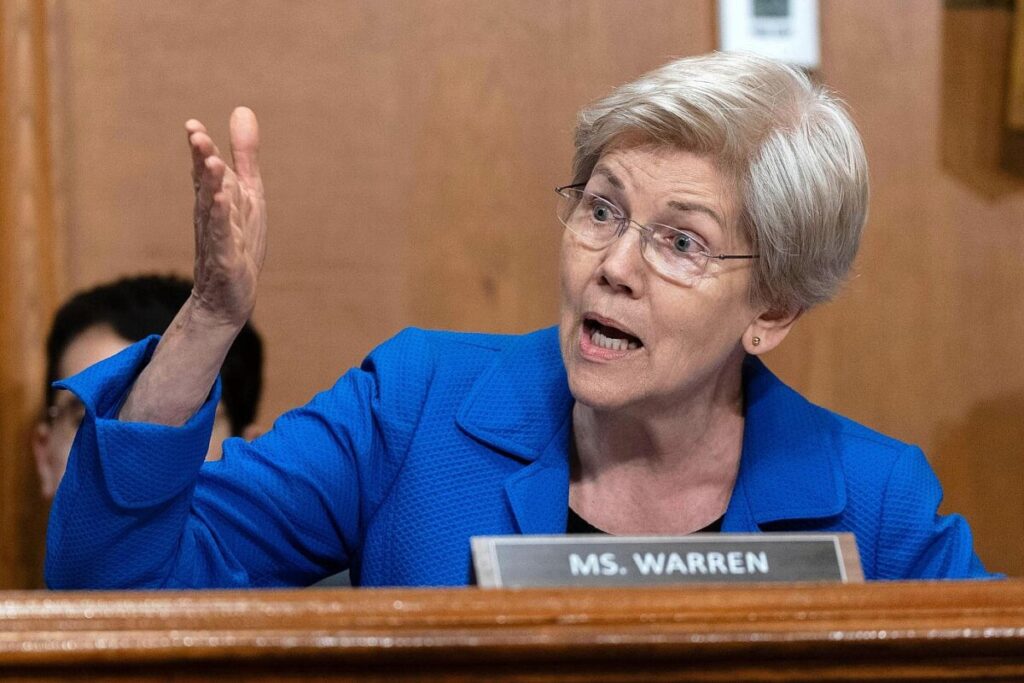
Sens. Elizabeth Warren and Ed Markey voted to continue the stalemate despite growing fears about how it has impacted their constituents.
And Democrats’ plans to cast it as the “Trump shutdown” and Republicans’ efforts to make it the “Schumer shutdown” haven’t reverberated with voters – polling suggests Americans blame both sides equally.
A survey by You.Gov last week before the deal was announced showed people are divided over who to blame for the impasse, with 35% blaming Republicans, 32% blaming Democrats and 28% both sides.
The percentage blaming the GOP actually dropped 4% from a previous survey and the percentage blaming both sides rose 4% – indicating Americans were fed up with the blame game.
More than one third of Americans in the recent You.Gov survey said they were affected a great deal or somewhat by the shutdown, up from 21% in the previous month’s survey.
The vote to reopen the government opened a deep rift in the Democratic Party. Fuming liberal Democrats who opposed the bipartisan plan ripped fellow senators from their own party for “surrendering” to Republicans, calling it a “dark day” for Democrats.
Minority Leader Chuck Schumer faced calls from some to resign even though he ended up voting no.
Yet despite the increasing fears by voters over the shutdown’s impact, such as flight delays and cancellations and food for low income families, Markey and Warren and other Democrats chose politics over helping Americans who lost their jobs or were severely affected by the shutdown.
In a carefully worded statement, Markey said he was holding firm because there was no guarantee of continuing Obamacare subsidies.
“I am glad this deal means the government will reopen, that public servants will be returning to work, and that they will receive their paychecks,” Markey said in a statement after the 60-40 vote. “But this legislation does nothing concrete to lower health care costs for millions of Americans from MAGA Republican attacks, and I cannot support it.”
Warren said “I will not support a deal that does nothing to make health care more affordable. The fight to lower costs is a righteous fight, and we must not give it up.”
She added that the Democrats’ “most important job is to fight back….a vote for this legislation is a mistake.”
But other blue state New England senators played a key role in making the deal happen.
The moderate Democrats who sensibly voted to reopen the government included Jeanne Shaheen and Maggie Hassan of New Hampshire and Angus King, an independent who votes with Democrats, from Maine.
“After weeks of bipartisan negotiations, I voted today to reopen the government so that we can get back to the work of helping Granite Staters,” Hassan said. “This agreement funds SNAP and food assistance programs, ensures that law enforcement, air traffic controllers and other federal workers get paid, reverses the President’s recent reckless layoffs and prevents them from happening in the future, and critically, gives Congress a clear path forward to protecting people’s health care.”
Shaheen voted to end the shutdown even though she is retiring in 2026 and won’t face a reelection vote.


