Protect Iraq’s Mesopotamian Marshes | Science
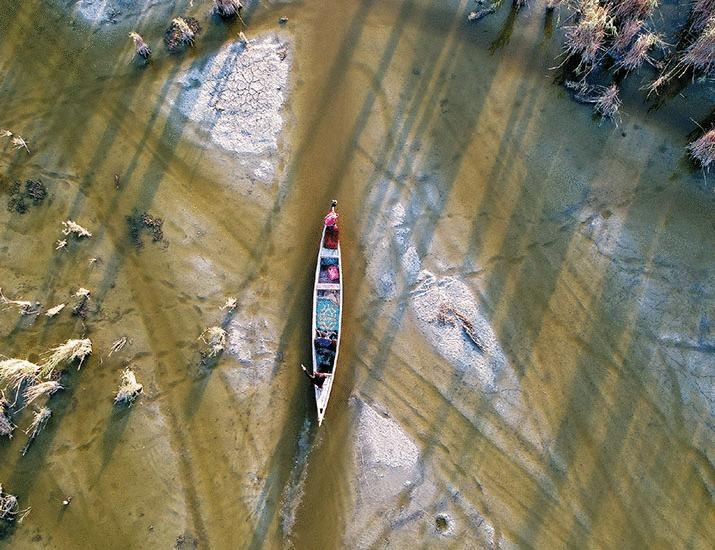
In the article “Protect Iraq’s Mesopotamian Marshes,” published in Science, Sarmad Dashti Latif emphasizes the urgent need for conservation efforts in one of the world’s most unique and ecologically significant regions. The Mesopotamian Marshes, located in southern Iraq, are recognized as a UNESCO World Heritage site and are often referred to as the “cradle of civilization.” These wetlands are not only vital for biodiversity but also serve as a crucial habitat for migratory birds and various aquatic species. However, the marshes have faced severe degradation due to a combination of climate change, water diversion projects, and political instability, leading to a drastic reduction in their size and ecological health over the past few decades.
Latif highlights the historical significance of the marshes, which have supported human life for thousands of years, providing resources for local communities through fishing, agriculture, and traditional crafts. The article provides compelling examples of how the marshes have been impacted; for instance, during the 1990s, Saddam Hussein’s regime initiated large-scale drainage projects that drained vast areas of the wetlands, leading to significant ecological and social consequences. The restoration efforts that began in the early 2000s have shown promise, with parts of the marshes being revitalized, but these efforts remain fragile and under threat from ongoing environmental pressures and inadequate management strategies.
The article calls for a collaborative approach involving local communities, governmental bodies, and international organizations to protect and sustainably manage the Mesopotamian Marshes. Latif argues that investing in conservation is not only essential for preserving biodiversity but also for supporting the livelihoods of the indigenous people who depend on these wetlands. The future of the marshes hinges on effective policies that prioritize ecological health alongside human needs. By raising awareness and advocating for stronger protective measures, the author hopes to inspire action that will ensure the survival of this irreplaceable ecosystem for generations to come.
HomeScienceVol. 390, No. 6773Protect Iraq’s Mesopotamian MarshesBack To Vol. 390, No. 6773 Full accessLetter Share on Protect Iraq’s Mesopotamian MarshesSarmad Dashti LatifAuthors Info & AffiliationsScience6 Nov 2025Vol 390, Issue 6773p. 581DOI: 10.1126/science.aeb1912 PREVIOUS ARTICLEPlatforms of powerPreviousNEXT ARTICLEBritain must step up on AI policyNext NotificationsBookmark ContentsRefere…


