Trump Officials Accused of Bullying Tactics to Kill a Climate Measure
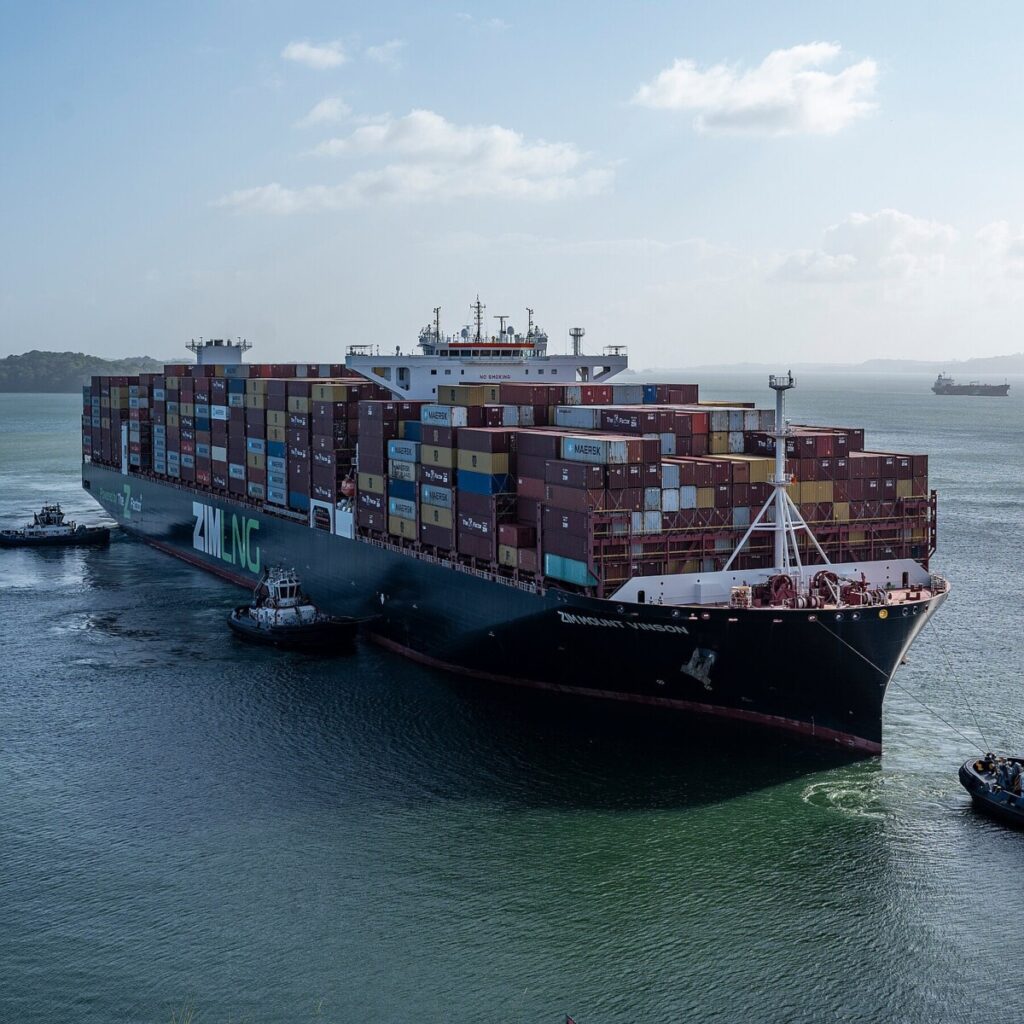
In a significant move towards environmental accountability, nations around the globe were on the verge of approving the first international fee on pollution emitted by ships—an initiative aimed at addressing the growing concerns over maritime emissions and their detrimental impact on climate change. This groundbreaking proposal, which sought to impose financial penalties on vessels contributing to air pollution, was designed to incentivize cleaner technologies and practices within the shipping industry. The initiative was part of a broader effort by the International Maritime Organization (IMO) to reduce greenhouse gas emissions from ships, which account for approximately 3% of global emissions. By introducing a fee system, the plan aimed to generate funds that could be reinvested into sustainable shipping technologies and practices.
However, just as momentum built towards this historic agreement, the Trump administration intervened with a series of threats and warnings that threatened to derail the negotiations. The U.S. government, under President Trump, expressed strong opposition to the proposed fee, arguing that it would impose undue economic burdens on American shipping companies and could lead to increased costs for consumers. This stance was reflective of the administration’s broader skepticism towards international climate agreements and regulations, which it often viewed as detrimental to U.S. economic interests. As a result, the U.S. delegation’s threats to withdraw support for the IMO’s initiatives created significant tensions among member nations, leading to a stalemate in discussions and raising concerns about the future of global efforts to combat climate change through maritime regulation.
The implications of this intervention were profound, as it not only jeopardized the proposed fee on ship pollution but also highlighted the complexities of achieving international consensus on environmental issues. The shipping industry, which has historically been under-regulated compared to other sectors, faces increasing scrutiny as the world grapples with the urgent need to reduce carbon emissions. The proposed fee was seen as a crucial step towards holding the industry accountable and promoting a shift towards greener practices. As nations continue to navigate the challenges of climate change, the outcome of this debate will likely shape future policies and the global approach to environmental stewardship in the maritime sector. The clash between economic interests and environmental responsibility underscores the ongoing struggle to balance industry growth with the imperative of protecting our planet for future generations.
Nations were poised to approve the first fee on pollution from ships. That’s when the Trump administration began the threats.


