Proposed settlement between feds and UCLA is a master class in extortion
In a significant shift in policy, the Trump administration has launched a campaign against diversity, equity, and inclusion (DEI) programs in universities, specifically targeting institutions that it accuses of fostering antisemitism. This initiative comes in the wake of growing concerns about rising antisemitic incidents on campuses across the United States. The administration’s stance is that many DEI programs, which aim to promote inclusivity and address systemic inequalities, have inadvertently created an environment where antisemitism can flourish, particularly in discussions surrounding Israel and Palestine. The administration argues that these programs often marginalize Jewish students and promote a narrative that is hostile to Jewish identity and culture.
The push to dismantle DEI initiatives is not only a response to perceived antisemitism but also part of a broader ideological battle over the direction of higher education in America. Critics of DEI programs argue that they can lead to divisive practices that prioritize identity over merit, while supporters contend that such initiatives are essential for creating equitable learning environments. For example, the administration has pointed to instances where university policies have been seen as biased against Jewish students, including the suppression of pro-Israel voices in campus debates and the promotion of anti-Zionist rhetoric. By advocating for the dismantling of DEI programs, the Trump administration aims to reshape the conversation around inclusion in higher education, emphasizing a need for policies that promote unity rather than division.
This move has sparked fierce debate among educators, students, and policymakers alike. Supporters of DEI argue that the programs are vital for addressing historical injustices and ensuring that all students feel represented and safe on campus. In contrast, opponents claim that these initiatives can lead to a culture of exclusion, where certain viewpoints are silenced in favor of a prescribed narrative. As the conversation unfolds, universities are now faced with the challenge of navigating these contentious issues while striving to maintain an inclusive environment for all students. The implications of this policy shift extend beyond campus walls, potentially influencing broader societal attitudes towards diversity and inclusion in various sectors.
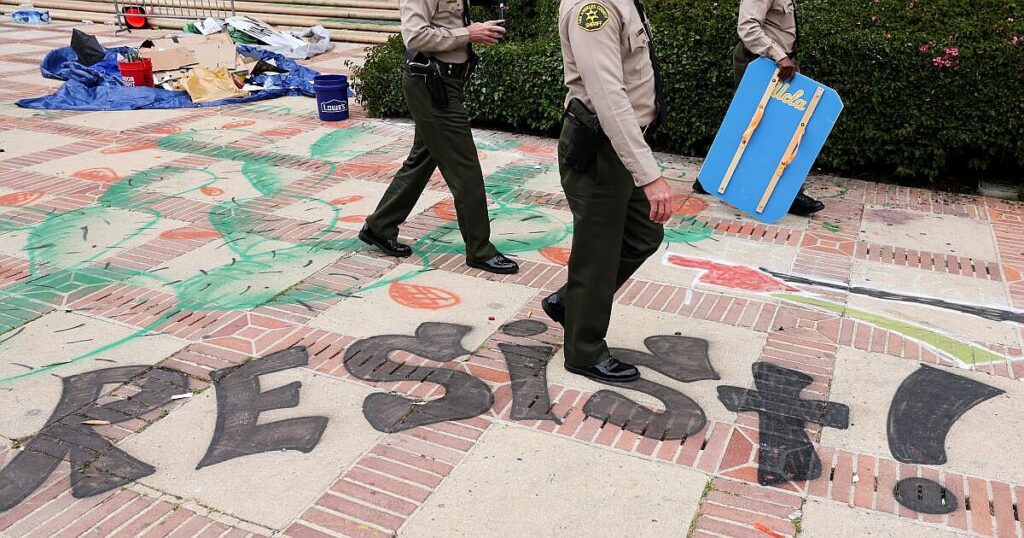
Trump’s administration accused the university of antisemitism and wants to dismantle anything related to DEI.


