What to do if your flight gets canceled because of the government shutdown
In a significant move that is set to impact air travel across the United States, the Federal Aviation Administration (FAA) has announced a 10% reduction in air traffic operations at 40 of the nation’s busiest airports. This decision comes in response to ongoing staffing shortages and operational challenges that have plagued the aviation industry in recent years. As a result, airlines are expected to cancel hundreds of flights, leading to widespread disruptions and uncertainty for travelers. Major airports affected include hubs like Los Angeles International Airport (LAX), Chicago O’Hare International Airport (ORD), and New York’s John F. Kennedy International Airport (JFK), all of which are crucial to both domestic and international travel.
The FAA’s decision is part of a broader effort to enhance safety and efficiency in air travel, but it has left many passengers grappling with the implications. Travelers are advised to stay informed about their flight status, as airlines will likely adjust their schedules in response to the FAA’s directive. Passengers should consider checking their flight information regularly, as cancellations and delays are expected to ripple through the system. Additionally, it is recommended that travelers arrive at the airport earlier than usual to navigate potential longer lines and increased wait times at security and check-in. For those whose flights are canceled, airlines are typically offering rebooking options, although the availability of seats on alternative flights may be limited.
In light of these developments, it is crucial for travelers to be proactive. The FAA suggests that passengers familiarize themselves with their airline’s policies regarding cancellations and delays, including options for refunds or travel credits. Furthermore, utilizing travel apps or airline websites can provide real-time updates and notifications about changes to flight schedules. As the industry continues to recover from the pandemic’s impact, these adjustments from the FAA reflect ongoing efforts to balance operational capacity with safety and efficiency. Travelers are encouraged to remain patient and flexible, as the situation evolves and airlines work to adapt to the new regulations.
https://www.youtube.com/watch?v=lGCwvOSOKb0
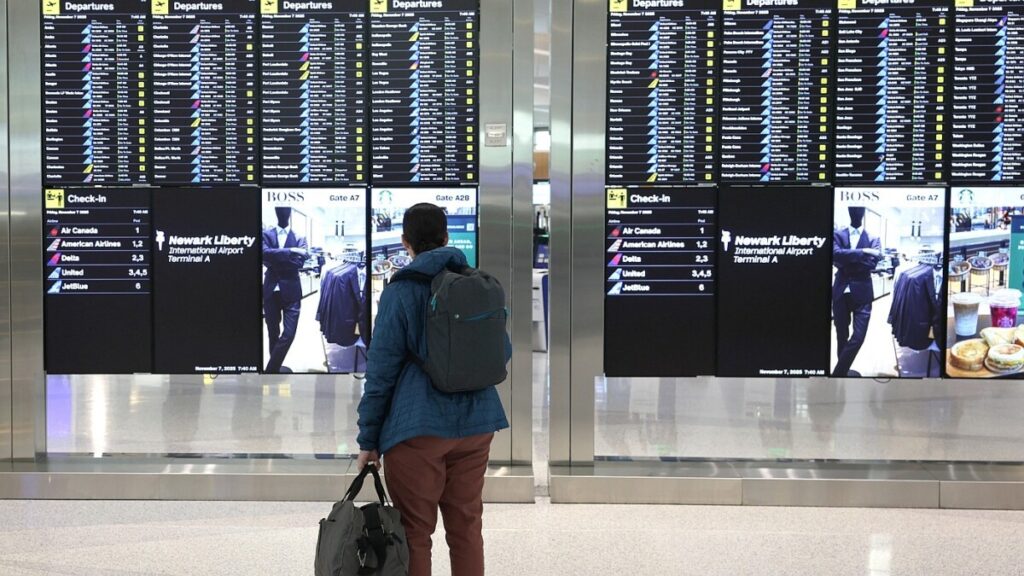
The FAA is cutting 10% of air traffic at 40 of the nation’s busiest airports, canceling hundreds of flights and creating uncertainty for many more passengers. Here’s what to do if you’re one of them.
(Image credit: Timothy A. Clary)


