Spatial dynamics of brain development and neuroinflammation
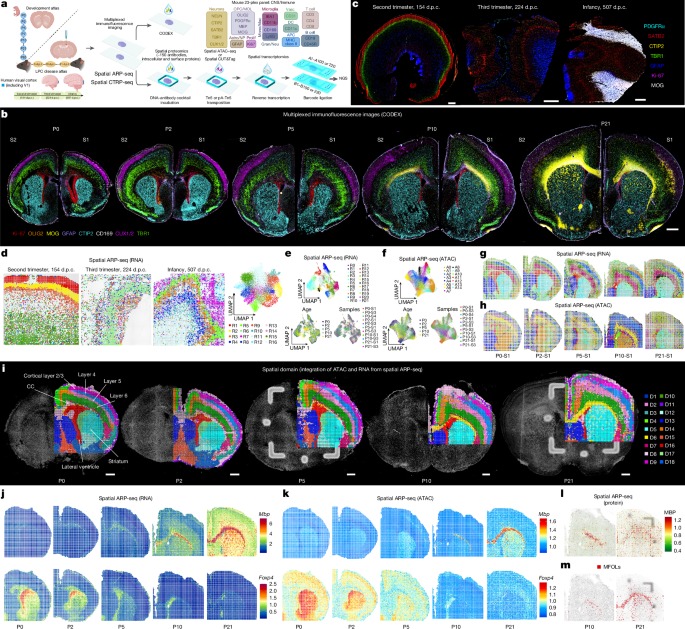
A groundbreaking study published in *Nature* has unveiled a comprehensive tri-omic atlas of the mouse brain, detailing the intricate development of layer-specific projection neurons from postnatal day 0 (P0) to postnatal day 21 (P21). This research highlights the critical role these neurons play in the processes of axonogenesis and myelination, which are essential for the proper functioning of the nervous system. By employing advanced genomic, transcriptomic, and proteomic techniques, the researchers have mapped out the dynamic changes occurring within the brain during these early developmental stages, providing a valuable resource for understanding neural development and potential implications for neurological disorders.
The study’s findings reveal that layer-specific projection neurons are not merely passive participants in brain development; instead, they actively coordinate the formation of axons and the subsequent myelination process. Axonogenesis, the development of axons that transmit signals between neurons, is crucial for establishing functional neural circuits. Myelination, on the other hand, is the formation of a protective sheath around axons, which enhances signal transmission speed and efficiency. The researchers identified distinct molecular pathways and gene expression profiles associated with these neurons, shedding light on the timing and regulation of these processes. For example, certain genes were found to be upregulated during specific developmental windows, suggesting a tightly regulated sequence of events that ensures proper brain maturation.
This tri-omic atlas not only enhances our understanding of mouse brain development but also sets the stage for future research into human brain disorders. By comparing the developmental trajectories of mouse and human neurons, scientists can gain insights into various neurological conditions that arise from disruptions in axonogenesis and myelination, such as multiple sclerosis and congenital disorders. The resource generated from this study will be invaluable for researchers aiming to develop targeted therapies and interventions for these conditions, making it a significant contribution to the field of neuroscience. Overall, this research underscores the importance of layer-specific projection neurons in brain development and opens new avenues for exploring the complexities of neural maturation.
https://www.youtube.com/watch?v=lAC3yTf_g7g
Nature, Published online: 05 November 2025;
doi:10.1038/s41586-025-09663-y
A tri-omic atlas of the mouse brain from postnatal day 0 to P21 reveals that layer-specific projection neurons have a role in coordinating axonogenesis and myelination.


