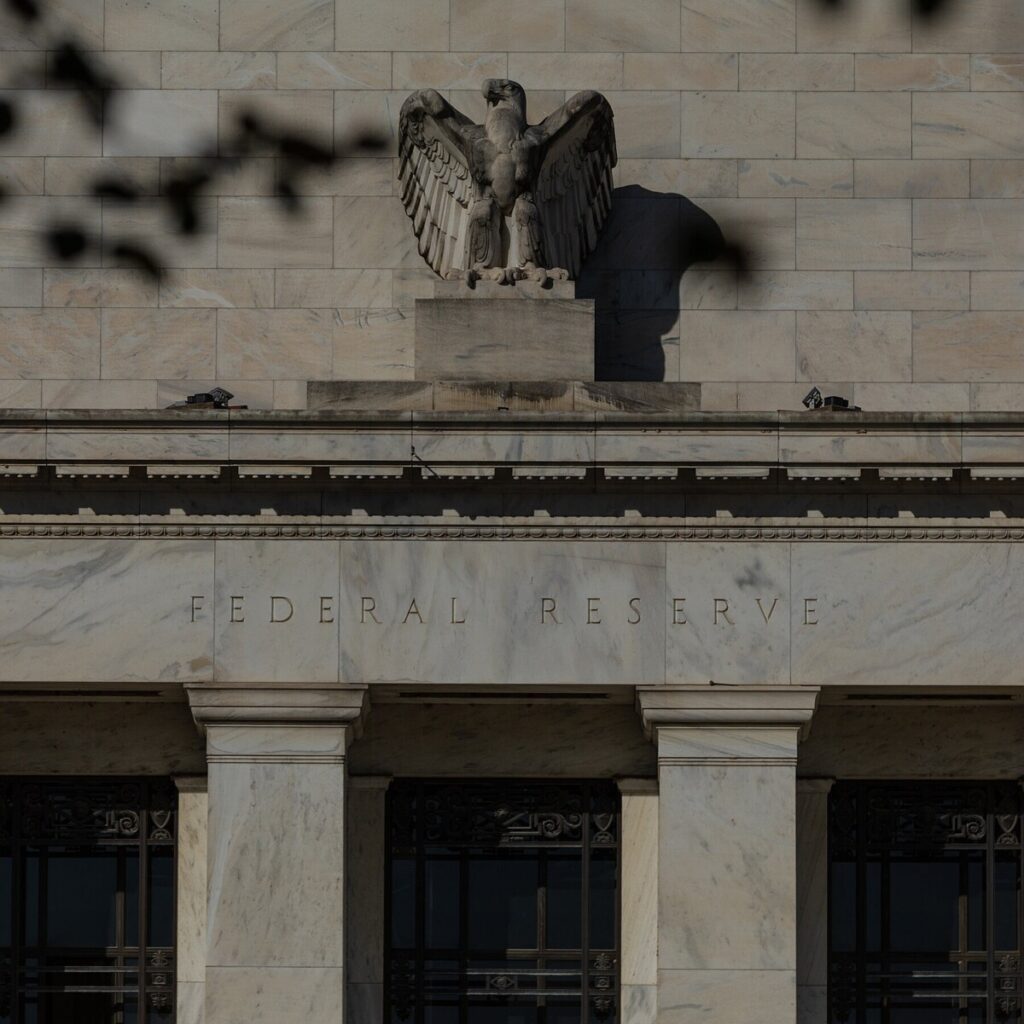
This Isn’t the First Time the Fed Has Struggled for Independence
In the decades leading up to 1951, the Federal Reserve’s role was heavily influenced by the U.S. Treasury and the executive branch, operating more as a supportive entity rather than an independent central bank. This period was characterized by a close relationship between the Fed and the government, particularly during times of economic turmoil, such as the Great Depression and World War II. The Fed’s policies were largely dictated by the need to finance government operations and manage public debt, often prioritizing the Treasury’s goals over its own monetary policy objectives. This alignment resulted in a lack of autonomy for the Fed, which was expected to stabilize the economy while also accommodating the fiscal needs of the government.
The turning point came with the Treasury-Federal Reserve Accord of 1951, which marked a significant shift in the Fed’s operational independence. Prior to this agreement, the Fed was often pressured to keep interest rates low to support government borrowing, leading to a conflict of interest between controlling inflation and facilitating government spending. The Accord established the Fed’s right to pursue monetary policy objectives without direct interference from the Treasury, allowing it to focus on its dual mandate of maximizing employment and stabilizing prices. This newfound independence set the stage for a more robust and proactive approach to monetary policy, enabling the Fed to respond more effectively to economic fluctuations and inflationary pressures in the subsequent decades.
This historical context is crucial for understanding the evolution of the Federal Reserve’s role in the U.S. economy. The shift towards independence not only enhanced the credibility of the Fed but also laid the groundwork for future monetary policy frameworks. By prioritizing its mandate over government pressures, the Fed was able to implement more effective strategies to manage inflation and foster economic stability. The changes initiated by the Accord have had lasting implications, influencing how central banks operate globally and shaping the dynamics of government and central bank relations in the years that followed.
https://www.youtube.com/watch?v=i1Hi_hacvN4
In the decades before 1951, the Federal Reserve functioned, to a large extent, as an adjunct of the Treasury and the White House.