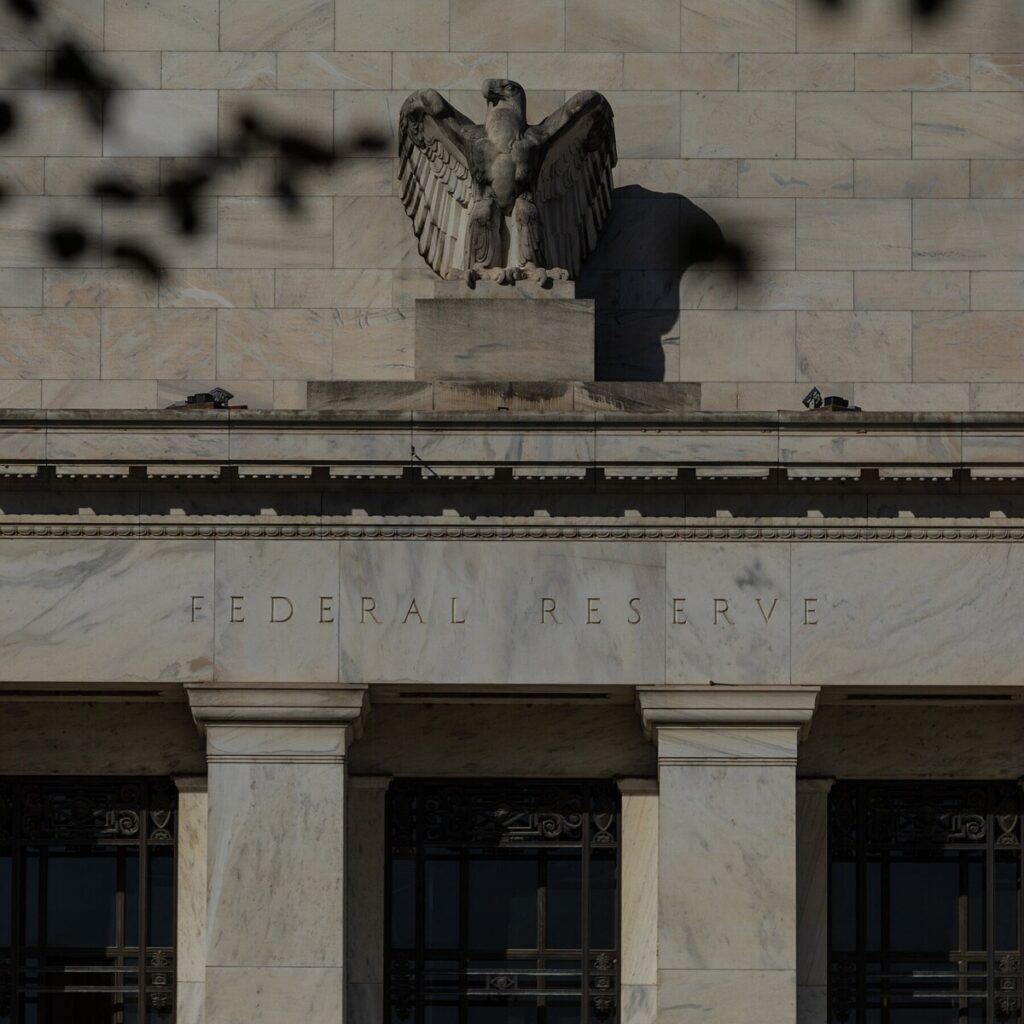
This Isn’t the First Time the Fed Has Struggled for Independence
In the decades leading up to 1951, the Federal Reserve, the central bank of the United States, operated largely as an extension of the Treasury Department and the White House, significantly influencing monetary policy in alignment with the government’s fiscal objectives. This period, often characterized by the Fed’s limited independence, saw the central bank prioritizing the financing needs of the federal government, particularly during times of war and economic distress. For instance, during World War II, the Fed engaged in a policy of pegging interest rates to keep borrowing costs low for the government, which was essential for funding the war effort. This arrangement effectively subordinated the Fed’s role in controlling inflation and managing the economy independently, as it focused on facilitating government spending rather than responding to broader economic conditions.
The culmination of this relationship came with the Treasury-Federal Reserve Accord of 1951, which marked a pivotal shift in the Fed’s operational independence. This agreement allowed the Federal Reserve to regain control over monetary policy, enabling it to prioritize its dual mandate of promoting maximum employment and stable prices without the direct influence of the Treasury. The Accord was a response to growing concerns about inflation and the need for a more robust monetary policy framework that could address economic fluctuations more effectively. As a result, the Fed began to adopt more proactive measures, including adjusting interest rates and controlling the money supply, which laid the groundwork for its modern role as an independent central bank.
This transformation not only reshaped the relationship between the Federal Reserve and the federal government but also had lasting implications for U.S. economic policy. By establishing a clearer boundary between fiscal and monetary policy, the Accord helped to foster a more stable economic environment, allowing the Fed to respond more effectively to inflationary pressures and economic crises in subsequent decades. The newfound independence of the Federal Reserve has since been credited with enhancing its credibility and effectiveness, enabling it to navigate complex economic challenges while maintaining a focus on long-term economic stability. This historical context underscores the importance of the Fed’s evolution in shaping current monetary policy and its ongoing role in the U.S. economy.
https://www.youtube.com/watch?v=i1Hi_hacvN4
In the decades before 1951, the Federal Reserve functioned, to a large extent, as an adjunct of the Treasury and the White House.