
Invisible heat insulators | Science
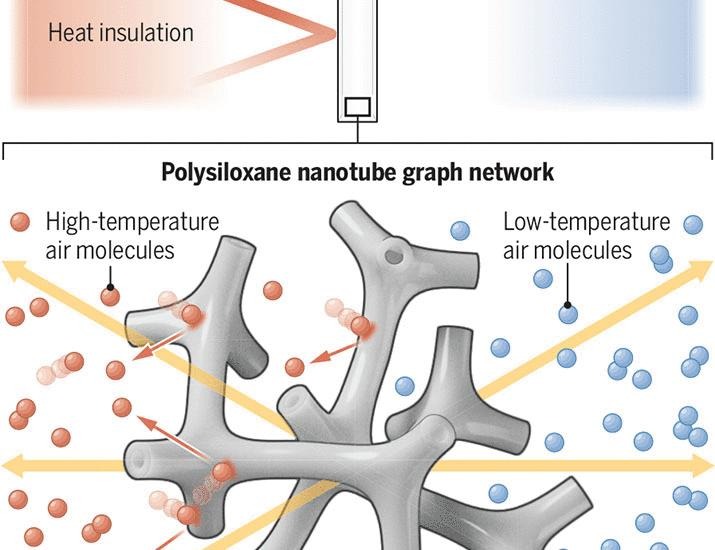
In a groundbreaking advancement in materials science, researchers have developed a nanotube network featuring precisely engineered pores that holds the potential to revolutionize the insulation of windows. This innovative approach aims to enhance energy efficiency in buildings by replacing traditional insulating materials with a lightweight, highly effective alternative. The nanotube network, composed of carbon nanotubes, is designed to manage thermal conductivity and light transmission, allowing for better control of indoor temperatures while minimizing energy consumption.
The significance of this development lies in its potential to address the growing demand for sustainable building materials in the face of climate change. Conventional window insulation often struggles to balance light entry and thermal resistance, leading to increased energy costs and reliance on heating and cooling systems. The newly engineered nanotube network offers a solution by utilizing its unique properties to create a barrier that not only reduces heat transfer but also maintains optimal natural lighting. For example, during hot summer months, this advanced insulation could significantly lower the need for air conditioning, thereby reducing both energy bills and carbon emissions.
Moreover, the versatility of this nanotube network suggests a wide range of applications beyond just windows. Its lightweight nature and customizable pore structure could be adapted for use in various sectors, including automotive and aerospace industries, where weight and thermal management are critical. As researchers continue to refine this technology, the potential for commercial applications grows, promising a future where energy-efficient building materials become the standard rather than the exception. With the construction industry increasingly focused on sustainability, the introduction of this nanotube network could mark a significant step towards greener, more energy-efficient architecture.
https://www.youtube.com/watch?v=Ly7T3hFawRQ
A nanotube network with precisely engineered pores could replace insulating components in windows


