Why Are My Hands and Feet Cold?
Cold extremities, such as chilly fingers and toes, are a common experience for many, especially during the winter months. While most of the time, this sensation is simply a result of exposure to cold temperatures or poor circulation, it can occasionally signal underlying health issues that warrant attention. For instance, conditions like Raynaud’s phenomenon can cause blood vessels in the fingers and toes to constrict excessively in response to cold or stress, leading to a temporary loss of circulation. This can result in not just coldness, but also color changes in the skin, numbness, and tingling.
Moreover, peripheral artery disease (PAD) is another serious condition that can manifest as cold feet or hands. PAD occurs when the arteries that supply blood to the limbs become narrowed due to plaque buildup, limiting blood flow and leading to symptoms like coldness, pain, and cramping during physical activity. In more severe cases, this can lead to critical limb ischemia, where blood flow is so restricted that it can result in tissue damage. Other potential causes of cold extremities include diabetes, hypothyroidism, and certain autoimmune disorders, all of which can affect circulation and overall body temperature regulation.
While chilly fingers and toes are often benign, it is essential to pay attention to accompanying symptoms. If cold extremities are persistent, accompanied by pain, color changes, or other unusual signs, it is advisable to consult a healthcare professional for a thorough evaluation. Understanding the potential implications of cold hands and feet can help individuals take proactive steps towards their health and well-being, ensuring that any serious conditions are identified and managed early on.
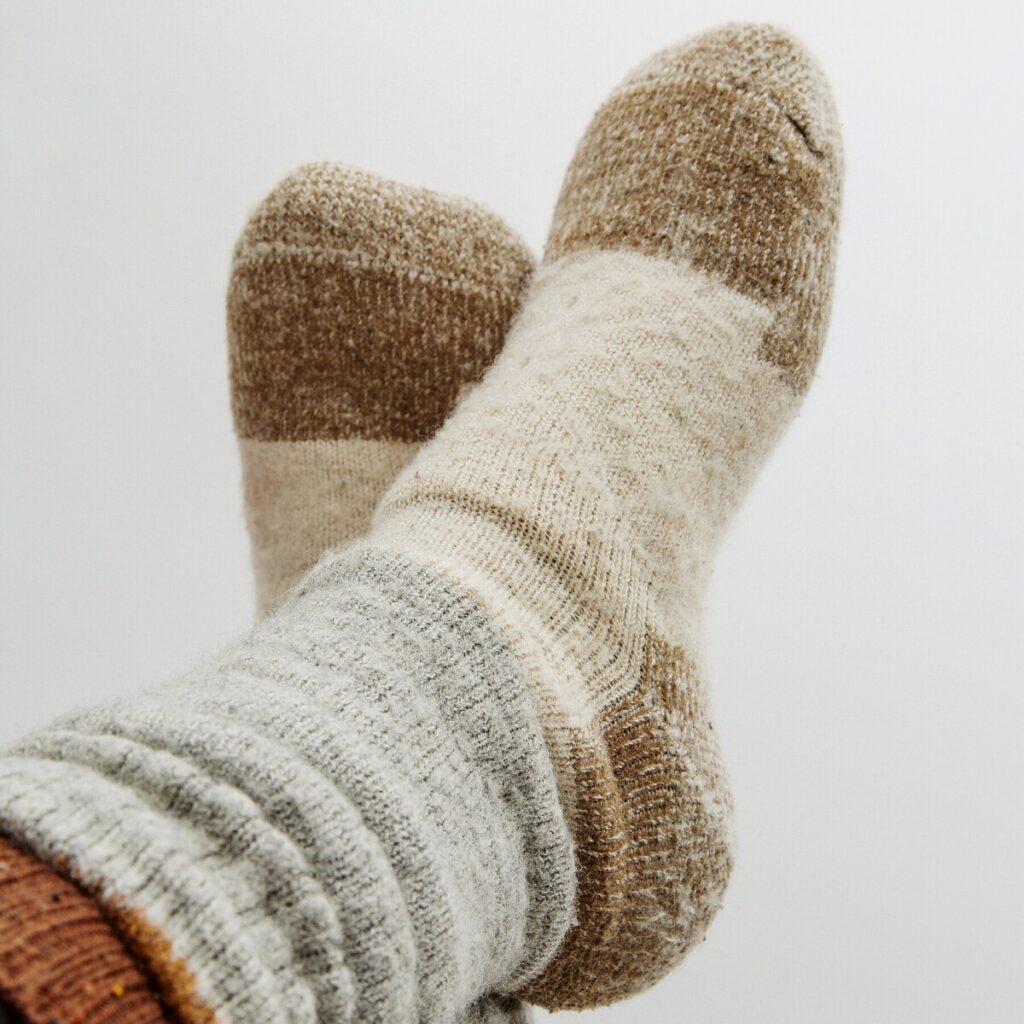
Chilly fingers and toes are generally nothing to worry about, but they can sometimes indicate a more serious condition.


