Fallout From the Signal Report
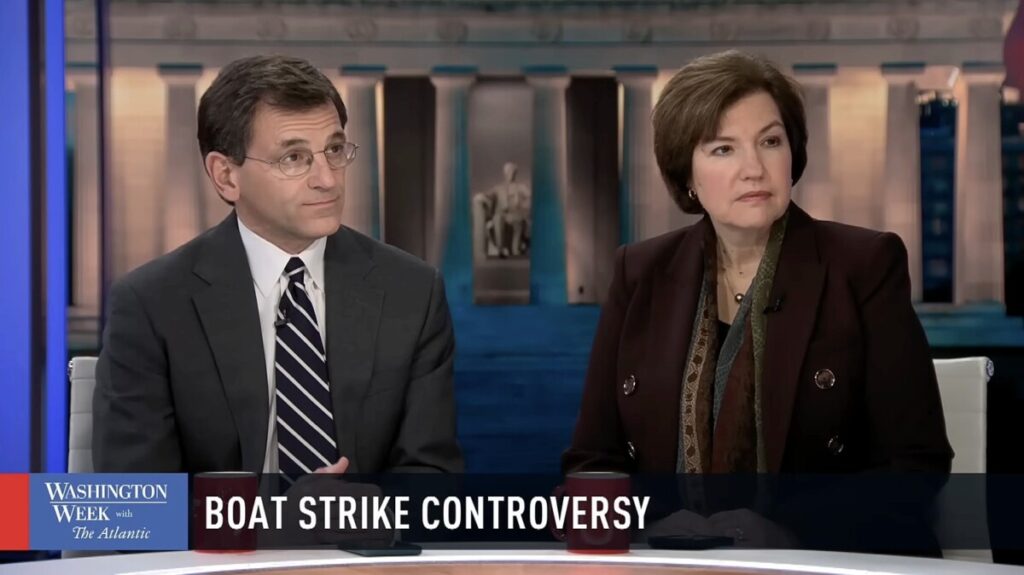
In a recent episode of *Washington Week With The Atlantic*, the panel delved into a significant report released by the acting inspector general of the Department of Defense, which raised alarming concerns regarding Secretary Pete Hegseth’s communications. The report highlighted that Hegseth may have jeopardized U.S. troops and national security through messages exchanged in a Signal chat pertaining to military strikes in Yemen. This revelation has sparked intense debate about the implications for Hegseth’s position and the broader accountability mechanisms within the Department of Defense. The discussion on the show centered on the potential risks posed by Hegseth’s actions and the overarching question of oversight in the military and government sectors.
In response to the inspector general’s findings, Defense Secretary Hegseth and his spokesperson, Sean Parnell, vehemently rejected the report’s conclusions, claiming it serves as a “TOTAL exoneration” of Hegseth. Parnell’s comments, shared on social media platform X, reflect a stark contrast to the concerns raised in the report. Susan Glasser, a prominent staff writer for *The New Yorker*, pointedly critiqued this dismissal, suggesting that the leadership of the Department of Defense is out of touch with reality. The panel, which included notable figures such as Peter Baker of *The New York Times* and Nancy Youssef of *The Atlantic*, explored the implications of this situation, emphasizing the urgent need for effective oversight and accountability in the military leadership. The discussions underscored the critical nature of transparency and responsibility in maintaining national security and the welfare of U.S. troops.
As the episode unfolded, it became clear that the ramifications of the report extend beyond Hegseth himself, raising broader questions about the integrity of communication within the military and the processes that govern it. The panelists urged viewers to consider the potential consequences of such lapses in judgment and the importance of establishing robust mechanisms to prevent similar incidents in the future. This conversation is particularly timely, given the ongoing complexities of U.S. military operations abroad and the need for leaders to uphold the highest standards of accountability. For those interested in a deeper understanding of this critical issue, the full episode is available for viewing.
https://www.youtube.com/watch?v=0L–1BkjVPI
Editor’s Note:
Washington Week With The Atlantic
is a partnership between NewsHour Productions, WETA, and
The Atlantic
airing every Friday on PBS stations nationwide.
Check your local listings
, watch full episodes
here
, or listen to the weekly podcast
here
.
This week, the acting inspector general of the Department of Defense released a report that found Secretary Pete Hegseth could have put U.S. troops and national security at risk with messages sent in a Signal chat about strikes in Yemen. On
Washington Week With The Atlantic
, panelists joined to discuss what the report may mean for Hegseth, and more.
In response to the report, the defense secretary and his spokesman, Sean Parnell, denied the findings: “The Inspector General review is a TOTAL exoneration of Secretary Hegseth,” Parnell wrote on X earlier this week. “The bottom line is the official leadership of the Department of Defense is at war with reality,” Susan Glasser, a staff writer for
The New Yorker
, said last night. The question that remains unanswered, Glasser added, is: “Where is the oversight and accountability?”
Joining the editor in chief of
The Atlantic
, Jeffrey Goldberg, to discuss this and more: Peter Baker, the chief White House correspondent for
The New York Times
; Glasser, a staff writer at
The New Yorker
; and Nancy Youssef, a staff writer at
The Atlantic
.
Watch the full episode
here
.


