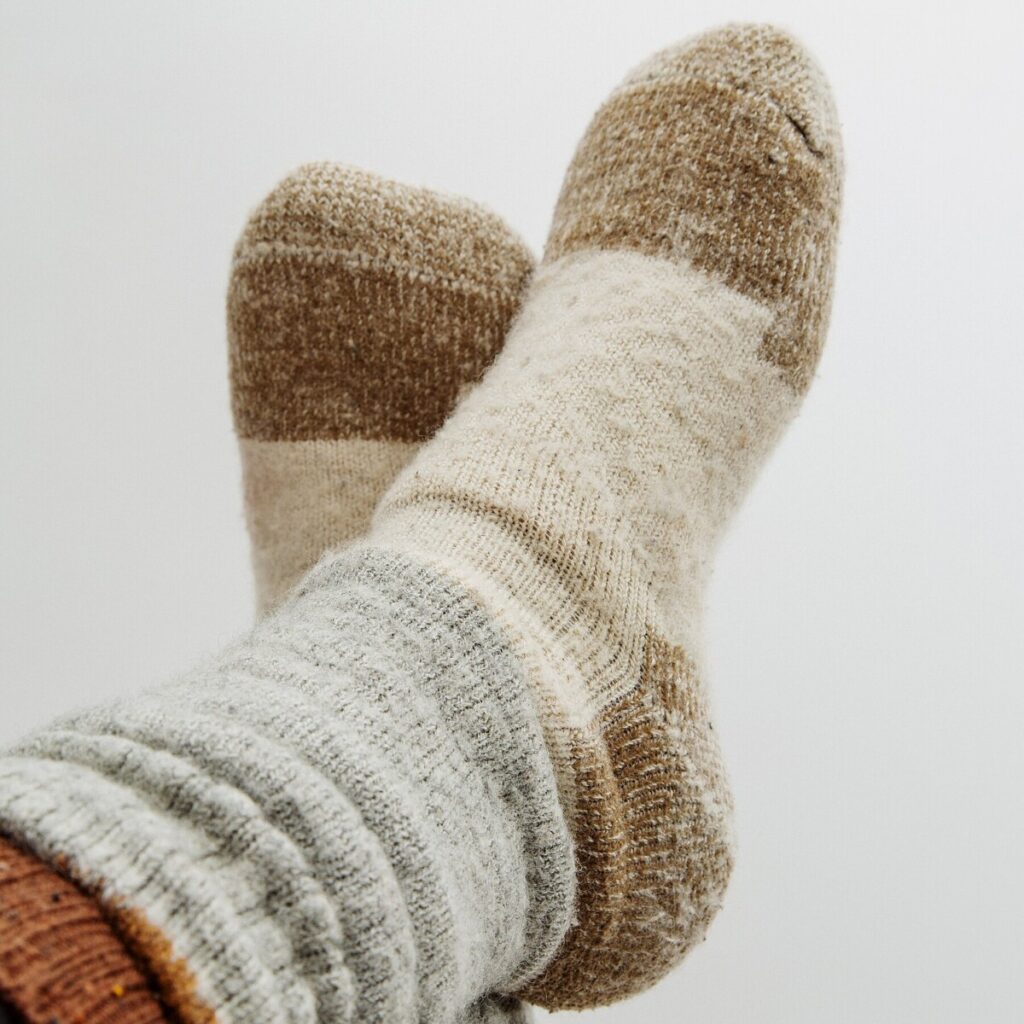
Why Are My Hands and Feet Cold?
Chilly fingers and toes are a common experience, especially during colder months, and for most people, they are merely a sign of the body’s natural response to low temperatures. When exposed to cold, the body prioritizes maintaining core temperature, which often results in reduced blood flow to the extremities. However, while occasional cold digits are typically harmless, persistent symptoms can sometimes point to underlying health issues that warrant attention. Conditions such as Raynaud’s phenomenon, peripheral artery disease, or even hypothyroidism can manifest through consistently chilly extremities, making it essential to understand the context and possible implications of these symptoms.
Raynaud’s phenomenon is a condition that causes some areas of the body, often the fingers and toes, to feel numb and cold in response to stress or cold temperatures. During an episode, small blood vessels in the extremities constrict excessively, leading to a noticeable change in color, typically turning white or blue, before returning to a normal hue as blood flow resumes. This condition can be triggered by various factors, including emotional stress and extreme temperatures, and while it is often benign, severe cases can lead to more serious complications. Peripheral artery disease (PAD), on the other hand, is characterized by narrowed arteries that reduce blood flow to the limbs, leading to coldness, pain, and even mobility issues. Symptoms of PAD can be more alarming, as they may indicate a higher risk for cardiovascular events.
If you find yourself frequently experiencing cold fingers and toes, it may be worthwhile to consult with a healthcare professional, especially if accompanied by other symptoms such as pain, color changes, or numbness. They can help determine whether your chilly extremities are a benign response to cold or a sign of a more serious issue. Understanding the difference is crucial for maintaining overall health and well-being. Regular exercise, a balanced diet, and managing stress can help improve circulation and reduce the frequency of cold extremities, but awareness of your body’s signals is key to ensuring that any serious conditions are addressed promptly.
Chilly fingers and toes are generally nothing to worry about, but they can sometimes indicate a more serious condition.


