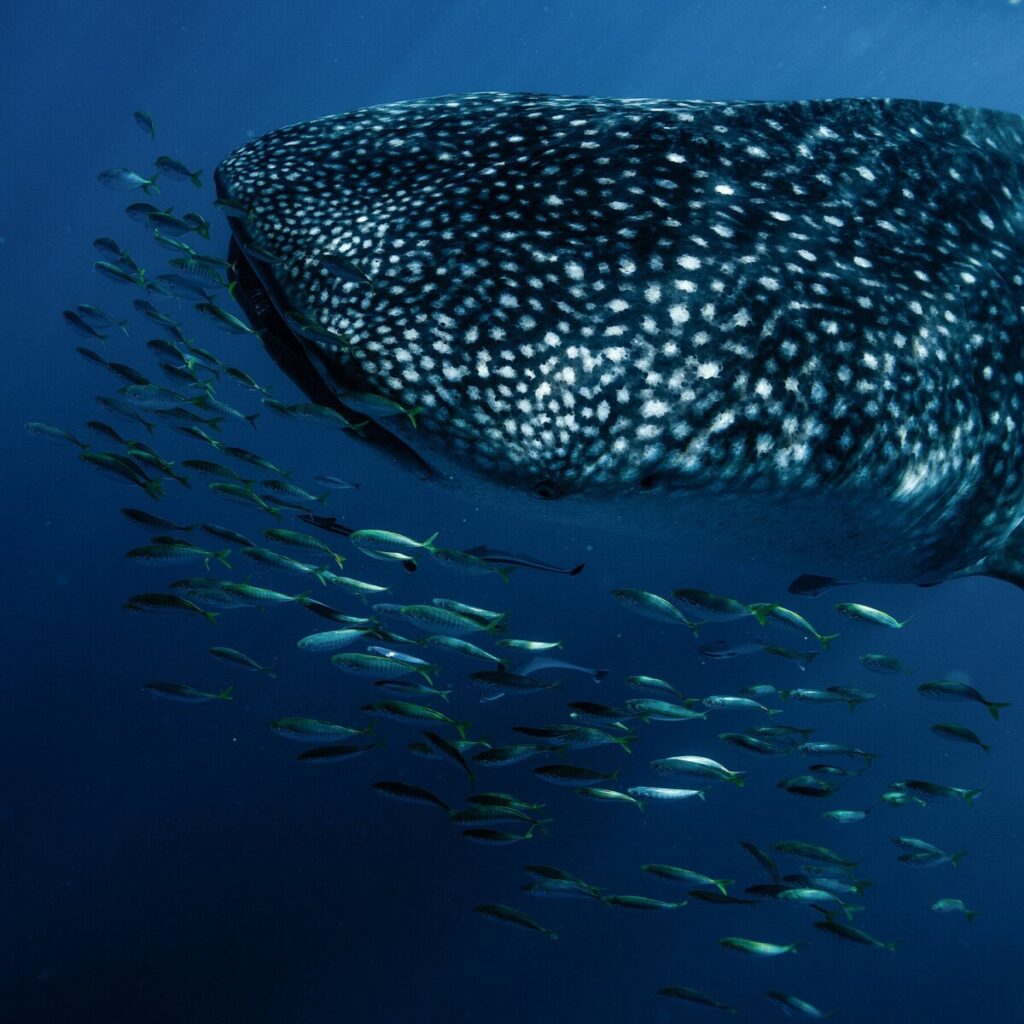
Sharks and Rays Gain Sweeping Protections from Wildlife Trade
In a significant move for marine conservation, a global treaty has been established to extend trade protections to over 70 species of sharks and rays, many of which are facing alarming population declines. This landmark agreement was reached during the 19th meeting of the Conference of the Parties to the Convention on International Trade in Endangered Species of Wild Fauna and Flora (CITES), held in Panama. The new regulations aim to curb illegal fishing and international trade that have contributed to the drastic decrease in these species, which play vital roles in maintaining the health of marine ecosystems.
Sharks and rays, which have existed for hundreds of millions of years, are now under unprecedented threat due to overfishing, habitat loss, and the rising demand for their fins, meat, and other body parts. For instance, the demand for shark fin soup, particularly in Asian markets, has led to the brutal practice of finning, where sharks are caught, their fins removed, and then thrown back into the ocean to die. The treaty not only recognizes the need for immediate action but also sets a framework for sustainable management practices that member countries must adopt to ensure the survival of these species. Countries that are party to the agreement are now required to monitor and regulate the trade of these species effectively, providing a crucial lifeline to populations that are teetering on the brink of extinction.
The implications of this treaty extend beyond the immediate protection of sharks and rays; it represents a growing global awareness of the interconnectedness of marine life and the importance of biodiversity. For example, species such as the hammerhead shark and the manta ray are not only ecologically significant but also economically valuable, as healthy shark populations contribute to thriving marine tourism industries. By safeguarding these species, the treaty not only aims to restore their populations but also to support the livelihoods of communities that depend on healthy oceans. This agreement marks a pivotal moment in global conservation efforts, highlighting the urgent need to protect our oceans and the myriad species that inhabit them.
A global treaty has extended trade protections to more than 70 shark and ray species whose numbers are in sharp decline.


