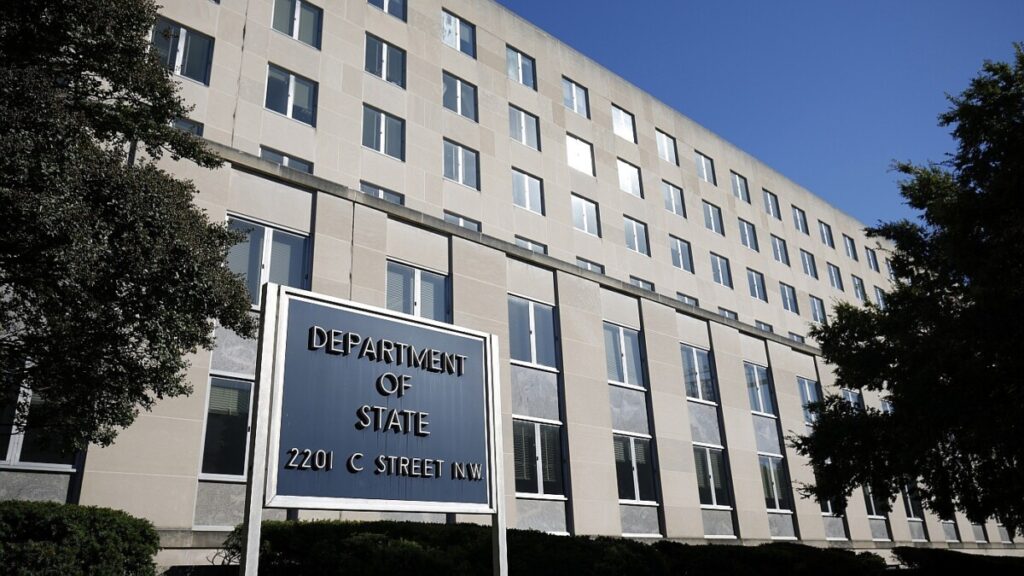
State Department to deny visas to fact checkers and others, citing ‘censorship’
In a significant move impacting the tech industry, the Trump administration has issued an order that targets applicants for H-1B visas, a program widely utilized by technology companies to hire skilled foreign workers. The H-1B visa program has been instrumental in filling critical roles in the tech sector, particularly in areas such as software development, engineering, and data analysis. However, this new directive aligns with a broader campaign by the administration aimed at curbing online content moderation practices, which they argue disproportionately affect conservative viewpoints. By tightening the regulations surrounding H-1B visa applications, the administration seeks to reshape the landscape of the tech workforce and influence the policies of companies that rely heavily on these skilled workers.
The implications of this order are far-reaching. Tech companies, many of which depend on the influx of international talent to drive innovation and maintain competitive advantages, may face significant challenges in recruiting qualified personnel. For instance, companies like Google, Microsoft, and Amazon have historically benefitted from the H-1B program to secure top-tier talent from around the globe. The order could lead to a reduction in the availability of skilled workers, ultimately stifling growth and innovation within the sector. Furthermore, this initiative reflects a broader trend in the administration’s approach to immigration and labor policies, emphasizing a nationalist perspective that prioritizes American workers over foreign talent.
Critics of the order argue that it could exacerbate the existing labor shortage in the tech industry, where demand for skilled workers continues to outpace supply. They warn that limiting access to H-1B visas could hinder the ability of American companies to compete on a global scale, potentially leading to a decline in the United States’ status as a leader in technology and innovation. Additionally, the order raises concerns about the potential for increased bureaucratic hurdles and delays in the visa application process, which could deter prospective applicants from pursuing opportunities in the U.S. Ultimately, this decision underscores the ongoing tension between immigration policy and the needs of the tech industry, highlighting the complex interplay between politics and economic growth.
https://www.youtube.com/watch?v=40X3s0wy2xU
The order is focused on applicants for H-1B visas, which are frequently used by tech companies and is part of a campaign by the Trump administration against online content moderation.
(Image credit: Kevin Dietsch)