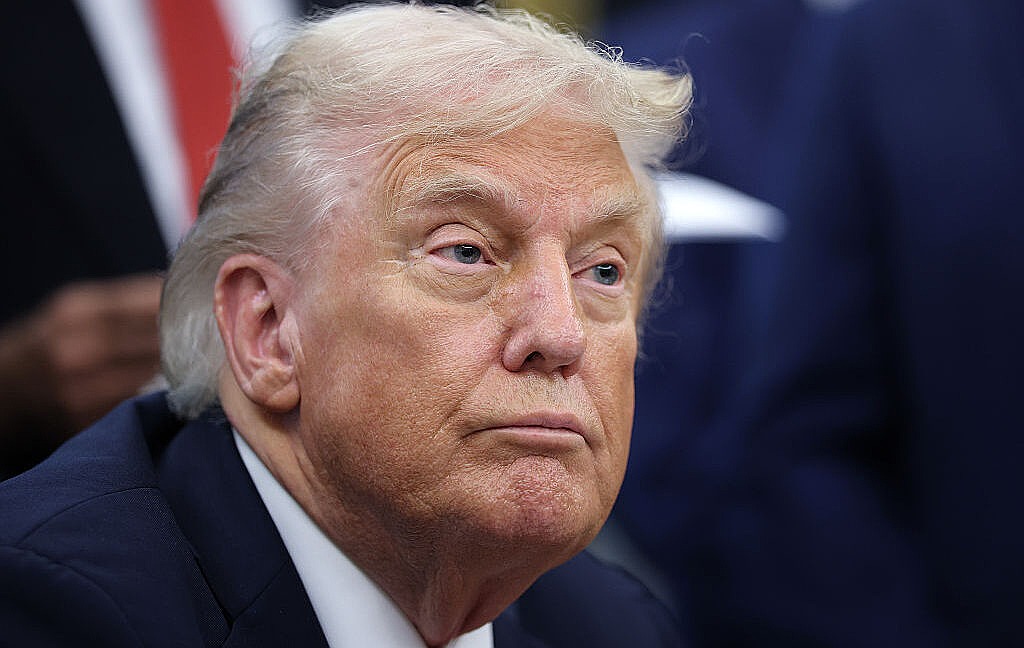
Republicans drop Trump-ordered block on state AI laws from defense bill
In a recent development, a proposal backed by Donald Trump aimed at blocking state-level artificial intelligence (AI) regulations for a decade has failed to secure a spot in the National Defense Authorization Act (NDAA). House Majority Leader Steve Scalise (R-La.) revealed that a faction of Republicans is now exploring alternative avenues to introduce this measure, following pushback from within the party. Critics of the proposal argue that allowing states to implement their own AI regulations is crucial for addressing emerging risks and ensuring that legislation keeps pace with rapid technological advancements. This internal division among Republicans highlights the complexities of navigating AI governance in a rapidly evolving landscape.
For several months, Trump has been vocal about his desire to prevent state laws on AI, arguing that a patchwork of regulations could stifle innovation and burden companies with compliance challenges. His efforts have not gained the necessary traction within Congress, as evidenced by previous votes against similar proposals. The recent failure to incorporate the AI preemption measure into the NDAA, a critical piece of legislation that authorizes defense spending, reflects a broader struggle within the Republican Party to present a unified front on technology policy. While Trump’s supporters emphasize the need for a cohesive federal framework to foster innovation, others within the party recognize the importance of state-level flexibility in addressing the unique challenges posed by AI technologies.
The ongoing debate over AI regulation underscores the tension between federal oversight and state autonomy in a field that is rapidly evolving. As AI technologies continue to advance, the need for effective governance that balances innovation with safety and ethical considerations becomes increasingly urgent. The failure of the Trump-backed measure serves as a reminder of the challenges lawmakers face in crafting legislation that adequately addresses the complexities of AI while fostering an environment conducive to technological growth. As discussions continue, it remains to be seen how Congress will navigate this critical issue and what implications it will have for the future of AI regulation in the United States.
https://www.youtube.com/watch?v=xzZKsPb8lTU
A Donald Trump-backed push has failed to wedge a federal measure that would block states from passing AI laws for a decade into the National Defense Authorization Act (NDAA).
House Majority Leader Steve Scalise (R-La.) told reporters Tuesday that a sect of Republicans is now “looking at other places” to potentially pass the measure. Other Republicans opposed including the AI preemption in the defense bill, The Hill
reported
, joining critics who see value in allowing states to quickly regulate AI risks as they arise.
For months, Trump has pressured the Republican-led Congress to block state AI laws that the president claims could bog down innovation as AI firms waste time and resources complying with a patchwork of state laws. But Republicans have continually failed to unite behind Trump’s command,
first voting against
including a
similar measure in the “Big Beautiful” budget bill
and then this week failing to negotiate a solution to pass the NDAA measure.
Read full article
Comments