Moore: Worried about ‘affordability?’ Get a job
In recent polls, it has become evident that younger Americans, particularly those in their 20s and 30s, are grappling with significant financial stress, primarily due to concerns over affordability. This demographic, comprising young millennials and Gen Z, is experiencing a stark reality where the cost of living—encompassing tuition, groceries, healthcare, and housing—feels increasingly unattainable. A key contributor to this financial strain is the alarming decline in labor force participation among young men. According to the latest data from the Labor Department, the percentage of males aged 16 to 24 who are actively employed has dropped from over 70% in previous decades to less than 60% today. This trend continues into their 30s, where labor force participation remains at or near historic lows. The lack of job engagement among young men not only exacerbates their financial woes but also leads to broader societal implications, including declining marriage rates and a potential increase in social unrest.
The article argues that this age group represents a critical phase in life for men to develop essential job skills and establish a career path that would make them suitable marriage partners. Early work experience is directly linked to future success; those who enter the workforce sooner tend to enjoy higher lifetime earnings. To address the affordability crisis, a cultural shift is necessary—parents should encourage their children to work part-time, ideally 10 to 20 hours a week, while pursuing their education. This approach could mitigate the burden of student loans, which often exceed $100,000 and are frequently defaulted on. Drawing on the successful model of the College of the Ozarks, where students work to cover their tuition, the article posits that instilling a work ethic in young people will not only enhance their educational experience but also foster a sense of responsibility and resilience.
Ultimately, the call to action is clear: work is not just a means to an end; it is a foundational virtue that equips young individuals with the skills and discipline necessary for personal and professional success. By prioritizing work alongside education, we can cultivate a generation that values hard work, reduces financial stress, and contributes positively to society. As Stephen Moore, a former senior economic adviser, emphasizes, this shift could lead to a more prosperous future for young Americans, breaking the cycle of financial anxiety and paving the way for a more stable and fulfilling life.
Polls show that the age group of Americans most worried about “affordability” are the 20- and 30-somethings. That’s young millennials and Gen Z.
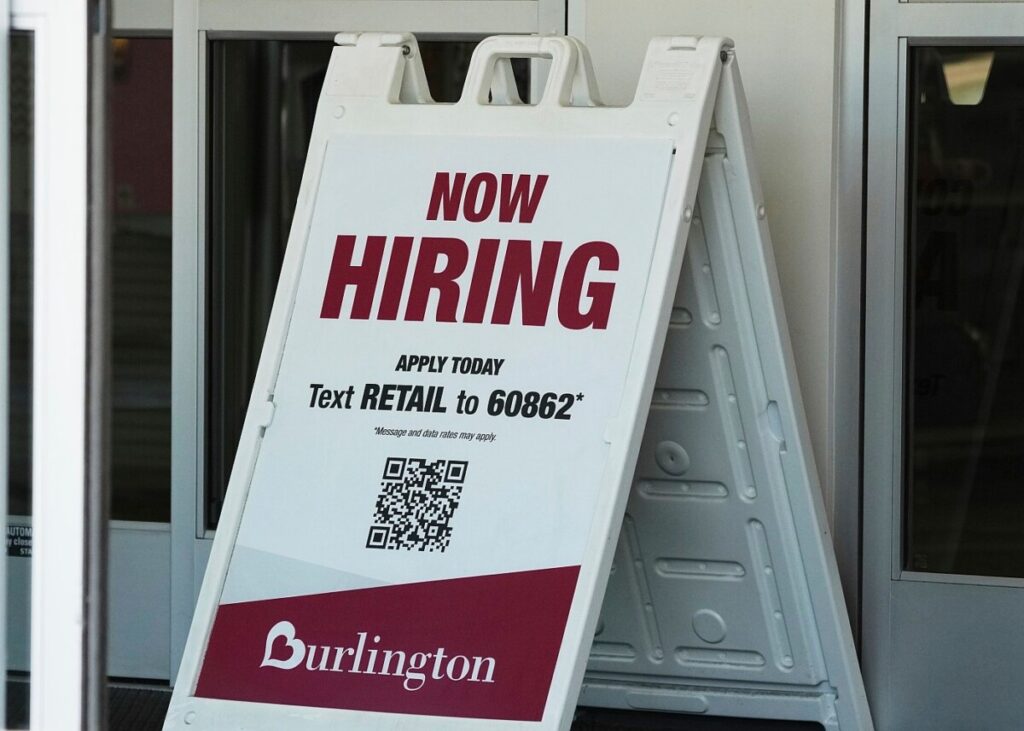
Why are they so financially stressed out? One reason things seem so unaffordable to young people is that too many aren’t working hard — they are hardly working.
The latest Labor Department data indicate that fewer and fewer males between the ages 16 and 24 are in the labor force. It used to be that more than 70% had a job; now less than 60% do.
Labor force participation for men even into their 30s is at or near an all-time low. Men without jobs is a prescription for social chaos.
I would argue this is the MOST important age for a man to be hard at work, honing his job skills and on the way to a career that makes him a suitable marriage partner. Marriage rates for young men are down as well. Their lack of work experience and a successful career trajectory is one major reason why.
The earlier in life that men (and women) start working, the more successful they are likely to be in their careers, and the higher their lifetime earnings will be.
Getting young people in the workforce is critical to solving so many of our societal problems. How can tuition, groceries, health care and housing be affordable when so many aren’t earning a paycheck?
Solving this problem will require a societal/cultural shift. Parents need to encourage their high school and especially college kids to be working 10 to 20 hours a week. Watching TV and playing video games, or even being a bookworm, is no path to success.
We need a new ethic that every college student should be working up to 20 hours a week while they are in school in lieu of taking out as much as $100,000 in loans subsidized by taxpayers.
This is a win-win for everyone: Colleges would have to lower their outrageous tuitions. Kids would learn real life skills while in school. And we could eliminate hundreds of billions of dollars of student loan debt that is often defaulted on.
I have long touted the College of the Ozarks model: The tuition is free, but every student pays for college by working 20 hours a week at a job learning life skills. These are some of the most impressive students I’ve met in my visits to dozens of top universities. If the kids pay for the tuition themselves, they value it far more.
This would also be a good way to get rid of the snowflake mentality of college kids sitting in their “safe spaces” and acting as though they have a constitutional right to never be offended. With a job, they will be quickly disabused of that idea the first time they show up for work and get chewed out by their boss.
Work is hard. Work pays the bills. Work is a virtue. The earlier in life kids learn that lesson, the better — for them and for the rest of us.
Stephen Moore is a former Trump senior economic adviser and the cofounder of Unleash Prosperity, which advocates for education freedom for all children.


