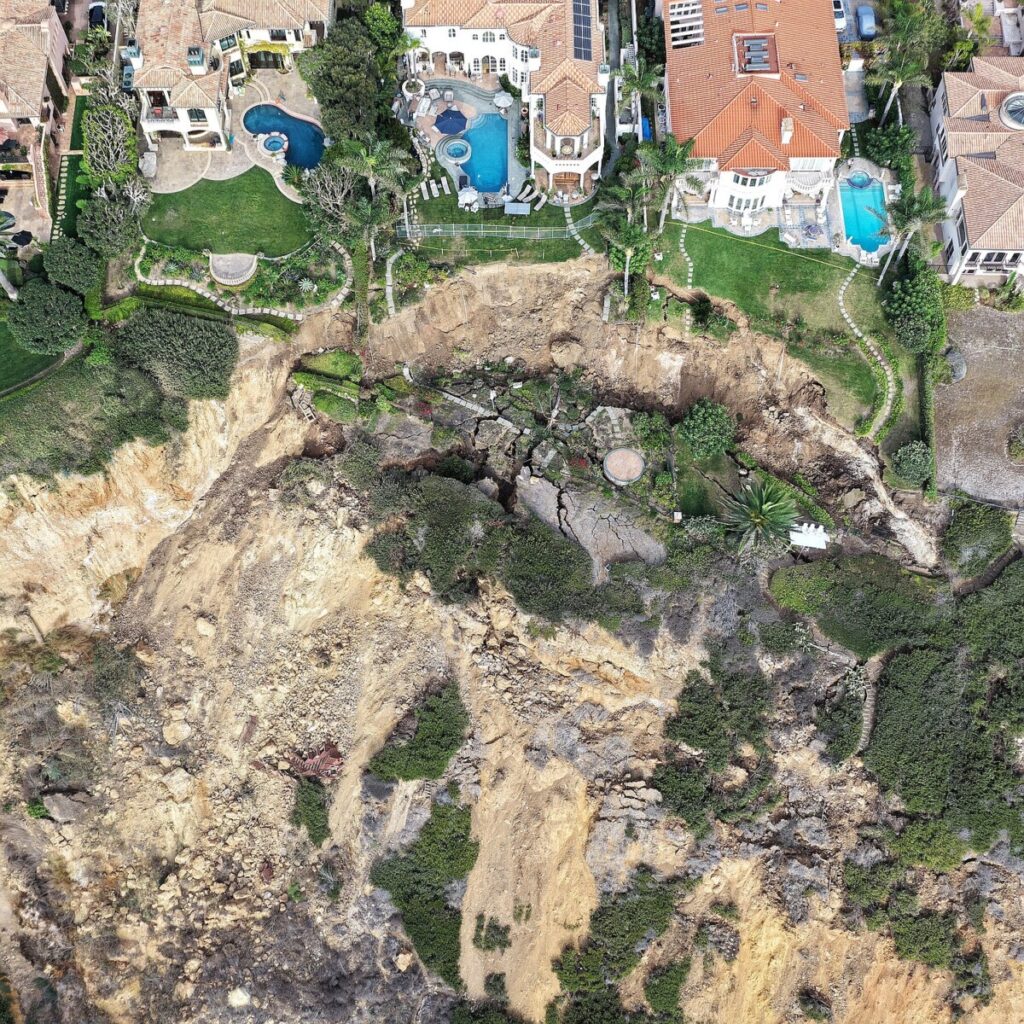
Higher Prices, Less Coverage: Your Stories of the Home Insurance Crunch
In recent years, home insurance prices have surged dramatically in regions particularly vulnerable to climate-related risks, such as California and Florida. This escalation in insurance costs is largely attributed to the increasing frequency and intensity of natural disasters, including wildfires, hurricanes, and flooding, which have made insurers more cautious and led them to raise premiums significantly. For instance, the California Department of Insurance reported that homeowners in high-risk areas could see their insurance premiums rise by as much as 50% or more in just a few years. Similarly, Florida has experienced a wave of policy cancellations and non-renewals, pushing homeowners to seek coverage in an already strained market, further driving up prices.
The ramifications of these rising insurance costs extend beyond individual homeowners, impacting the broader real estate market. As insurance becomes more expensive and less accessible, potential buyers are finding it increasingly difficult to secure affordable coverage, which in turn affects their ability to purchase homes. This has led to a slowdown in home sales in several high-risk areas, causing property values to stagnate or even decline. For example, a recent study found that in some coastal communities in Florida, home sales have dropped by nearly 30% as buyers grapple with the financial implications of higher insurance premiums. This trend not only creates challenges for homeowners but also poses a significant risk to local economies that rely on a stable real estate market. As the effects of climate change continue to unfold, the intersection of home insurance costs and real estate dynamics will likely remain a critical issue for both homeowners and policymakers alike.
Home insurance prices have risen drastically in areas most exposed to climate-related risk, like California and Florida. And research shows the effects of the higher rates are also spilling over into the broader real estate market.


