COP30 Climate Summit Ends With Dire Warnings and Scant Plans for Action
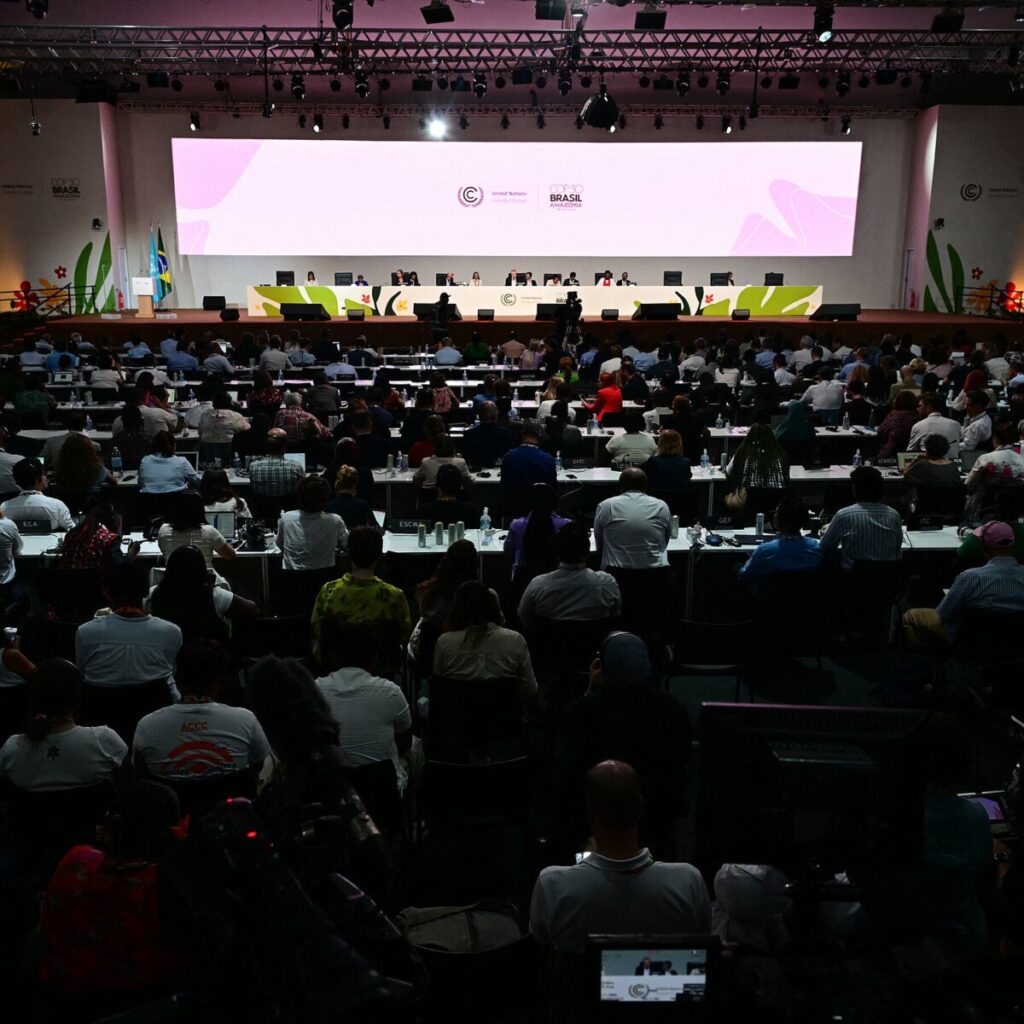
The COP30 climate negotiations in Belém, Brazil, concluded on Saturday, marking a significant moment in the global fight against climate change. This year’s conference brought together representatives from nearly 200 countries to discuss and negotiate vital strategies aimed at curbing greenhouse gas emissions and addressing the pressing impacts of climate change. Amidst a backdrop of increasing natural disasters and climate-related challenges, the urgency of these discussions was palpable. The negotiations focused on several key areas, including the need for enhanced financial support for developing nations, the implementation of stronger emission reduction targets, and the acceleration of renewable energy initiatives.
One of the standout outcomes of COP30 was the commitment to establish a new financial mechanism that aims to channel billions of dollars into climate adaptation and mitigation projects in vulnerable countries. This was particularly significant given that many developing nations have been disproportionately affected by climate change despite contributing the least to the problem. The negotiations also saw a push for more ambitious targets, with several countries pledging to enhance their Nationally Determined Contributions (NDCs) under the Paris Agreement. For instance, Brazil announced its intention to reach net-zero emissions by 2050, while other nations discussed pathways to reduce their reliance on fossil fuels and invest in green technologies.
However, the conference was not without its challenges. Tensions arose over differing national interests, particularly between developed and developing countries regarding financial commitments and accountability measures. Environmental activists and advocacy groups expressed frustration over what they perceived as a lack of urgency and concrete actions from some nations. Despite these hurdles, the closing session of COP30 ended on a hopeful note, with a renewed sense of collaboration and commitment to tackle climate change collectively. As the world looks ahead, the agreements reached in Belém could play a crucial role in shaping future climate policies and fostering a more sustainable and resilient global community.
The closing session of the COP30 climate negotiations in Belém, Brazil, on Saturday.


