An Alaskan Village Confronts Its Changing Climate: Rebuild or Relocate?
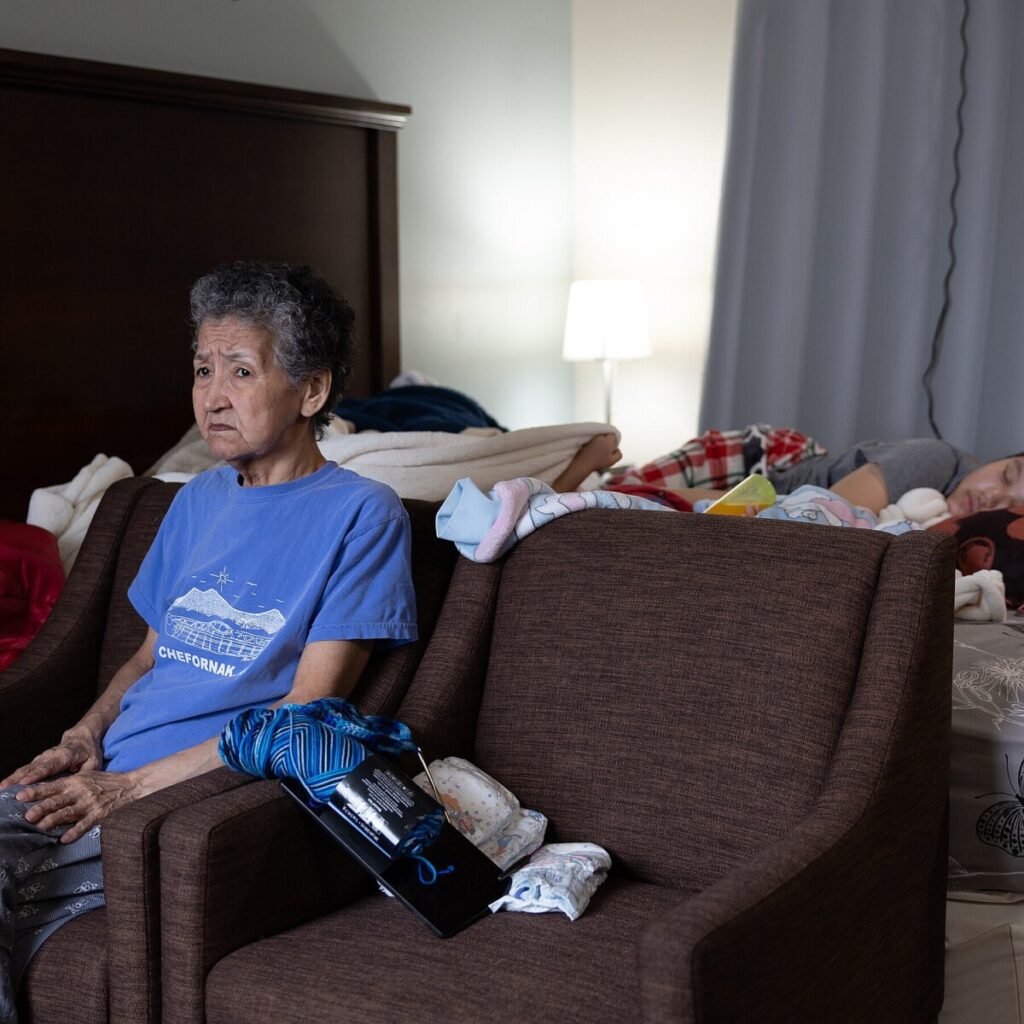
In the wake of Typhoon Halong’s devastating impact, Maggie Paul finds herself in a hotel room in Anchorage, far from her home and community in a village that has been reduced to rubble. The typhoon, which struck with ferocious winds and torrential rains, wreaked havoc on the region, leaving many residents displaced and their homes destroyed. For Ms. Paul, the loss is profound, not just in terms of physical shelter but also the emotional ties to her community and the memories embedded in her home. Despite the overwhelming challenges ahead, she remains resolute, stating, “I will wait,” as she prepares for the long process of rebuilding her village.
The aftermath of Typhoon Halong has highlighted the vulnerabilities faced by coastal communities, particularly in the context of climate change and extreme weather events. The storm’s intensity caught many off guard, emphasizing the urgent need for improved infrastructure and disaster preparedness in vulnerable areas. As recovery efforts begin, local leaders and organizations are mobilizing to provide assistance, but the road to recovery will be long and arduous. Ms. Paul’s determination to wait for her community to rebuild reflects the resilience and strength of those affected by the storm. Her story serves as a poignant reminder of the enduring human spirit in the face of adversity, as residents band together to restore their homes and lives, hoping for a brighter future despite the challenges ahead.
https://www.youtube.com/watch?v=dmO6B_s-KMk
Maggie Paul in her hotel room in Anchorage after her home was destroyed by Typhoon Halong. However long it takes to rebuild the village, Ms. Paul said, “I will wait.”


