Ahead of Tariff Ruling, Businesses Race to Secure Refunds
In a significant legal development, a recent ruling against President Donald Trump’s administration may have far-reaching financial implications, potentially requiring the government to refund approximately $200 billion in duties collected since the beginning of the year. This ruling stems from ongoing disputes regarding tariffs imposed on various goods, which have been a central feature of Trump’s economic policy. The administration has argued that these tariffs are essential for protecting American industries and jobs, particularly in the steel and aluminum sectors. However, critics contend that these tariffs have led to increased prices for consumers and strained relationships with trading partners.
The context of this ruling lies in the broader landscape of international trade and the contentious policies implemented by the Trump administration. Since taking office, Trump has aggressively pursued a protectionist agenda, imposing tariffs on imports from countries like China, Canada, and the European Union. These tariffs were framed as necessary measures to counter unfair trade practices and to bolster domestic manufacturing. However, the legal challenges have mounted, with various stakeholders, including businesses and foreign governments, contesting the legality of these tariffs. The recent court decision could set a precedent that not only affects the current administration’s financial strategies but also reshapes the future of U.S. trade policy.
If the ruling stands, it could lead to a significant financial burden on the federal government, as it would need to reimburse the collected duties. This scenario raises questions about the sustainability of the current tariff regime and its impact on the economy. As businesses grapple with the uncertainty surrounding these tariffs, the potential for refunds could further complicate the fiscal landscape. The outcome of this case may influence the administration’s approach to trade negotiations moving forward, as it seeks to balance the interests of domestic industries with the realities of international commerce. Ultimately, this ruling serves as a critical reminder of the complexities and challenges inherent in trade policy, particularly in an era marked by rising nationalism and economic protectionism.
https://www.youtube.com/watch?v=SV22BrauayU
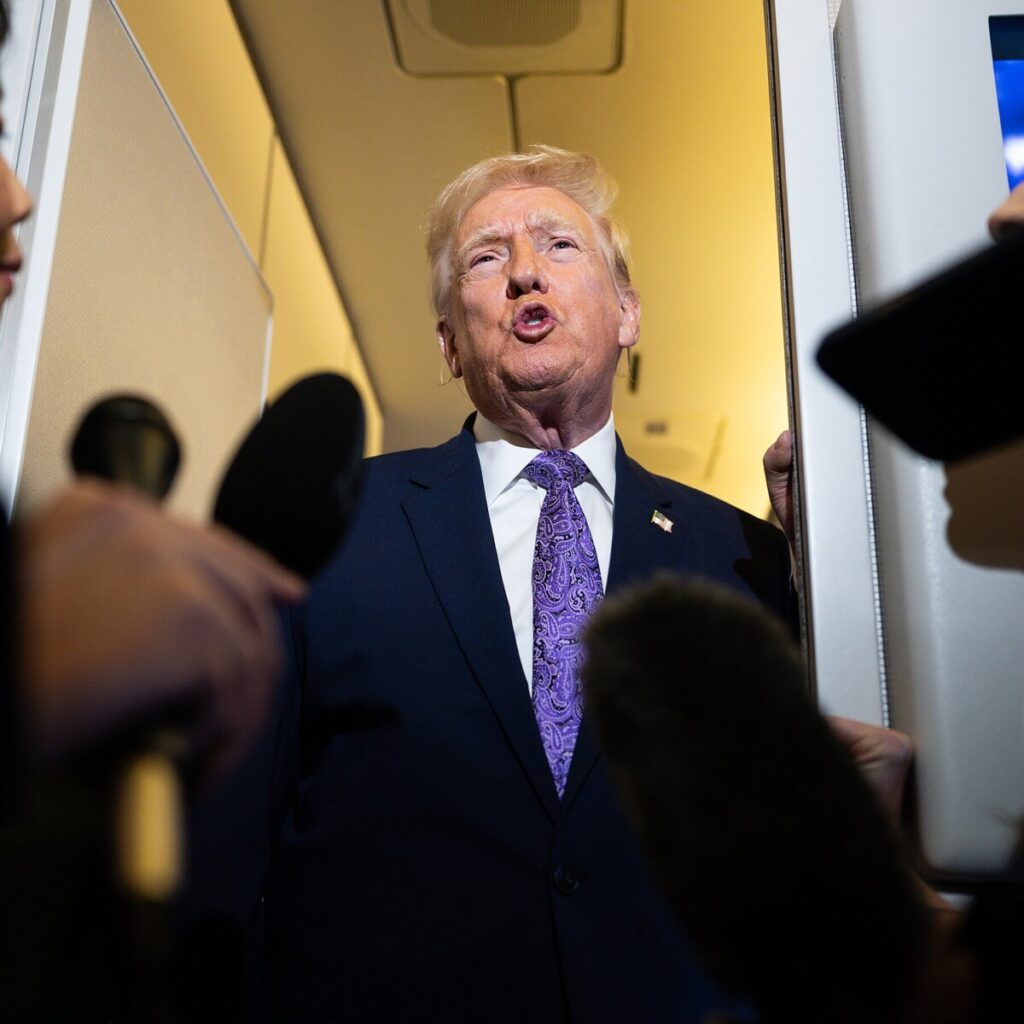
A ruling against President Trump could force his administration to pay back the roughly $200 billion it has collected in duties since the start of the year.


