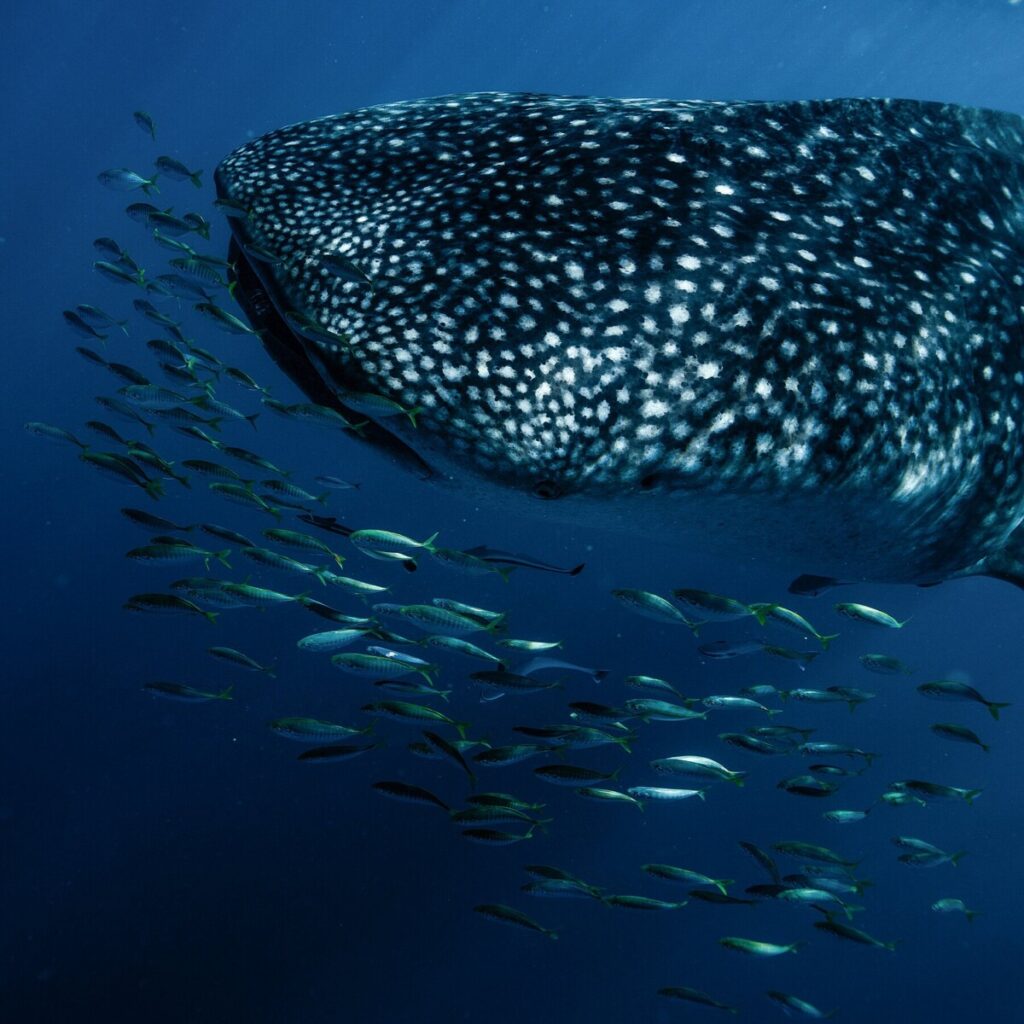
Sharks and Rays Gain Sweeping Protections from Wildlife Trade
A significant milestone in marine conservation has been achieved with the recent adoption of a global treaty aimed at safeguarding over 70 species of sharks and rays, many of which are facing alarming population declines. This treaty, finalized at the 19th Conference of the Parties to the Convention on International Trade in Endangered Species of Wild Fauna and Flora (CITES), marks a pivotal moment for the protection of these vital oceanic species, which play crucial roles in maintaining the health of marine ecosystems. The treaty establishes stricter regulations on the international trade of these species, ensuring that their exploitation does not threaten their survival.
Sharks and rays are among the most vulnerable marine creatures due to factors such as overfishing, habitat loss, and the high demand for their fins, meat, and other body parts. According to the International Union for Conservation of Nature (IUCN), nearly one-third of shark and ray species are currently at risk of extinction. For example, the oceanic whitetip shark and the hammerhead shark are two species that have seen their populations plummet by over 70% in recent decades. The new treaty aims to tackle these issues by imposing trade restrictions and requiring exporting countries to ensure that any trade in these species is sustainable and does not contribute to their decline.
The treaty’s implementation is expected to have a profound impact on conservation efforts worldwide. It reflects a growing recognition of the need for collaborative international action to protect marine biodiversity. Countries that are parties to CITES will now be required to monitor and regulate the trade of the listed shark and ray species, promoting sustainable fishing practices and encouraging the development of marine protected areas. This initiative not only serves to protect these magnificent creatures but also supports the livelihoods of communities that depend on healthy ocean ecosystems. As awareness of the plight of sharks and rays grows, this treaty represents a hopeful step toward reversing the trend of decline and ensuring the survival of these essential species for future generations.
A global treaty has extended trade protections to more than 70 shark and ray species whose numbers are in sharp decline.


